
Last updated November 23, 2026
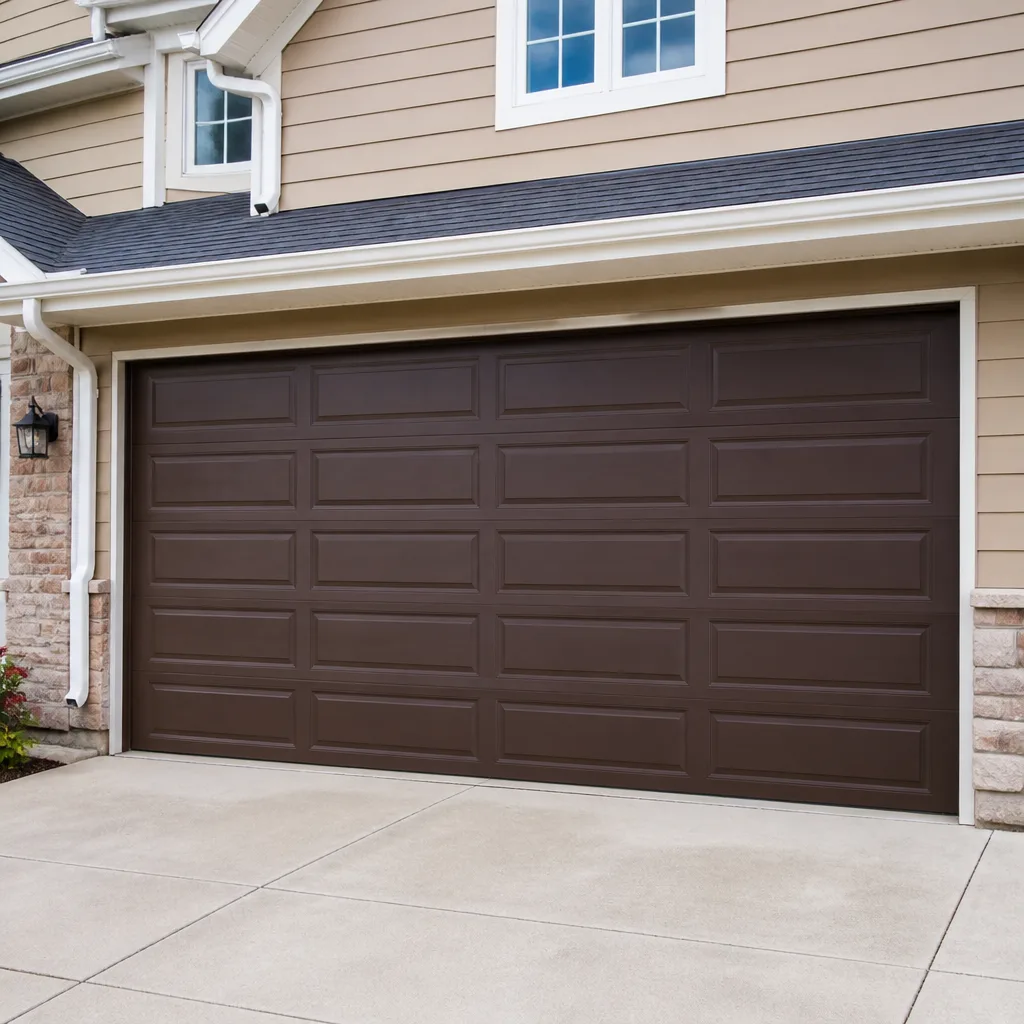 Raised-panel steel
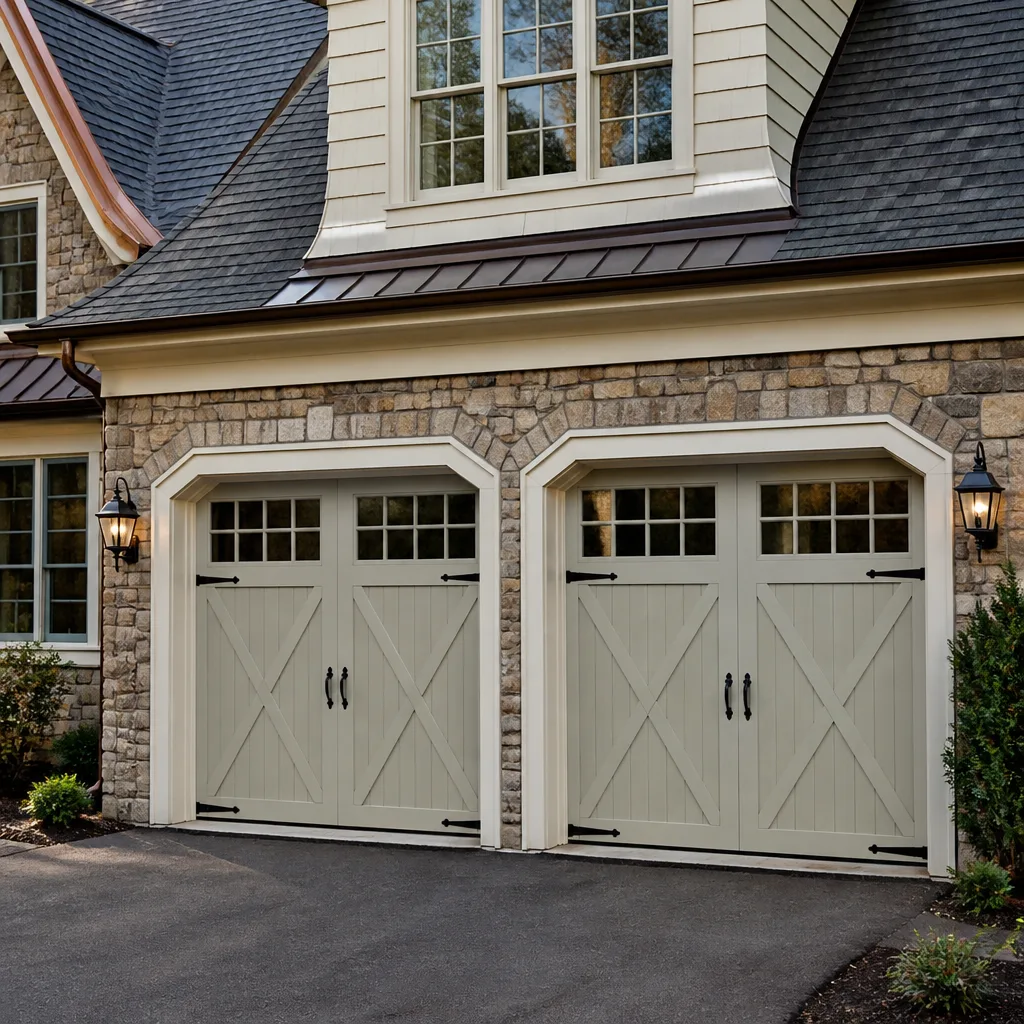 Carriage house
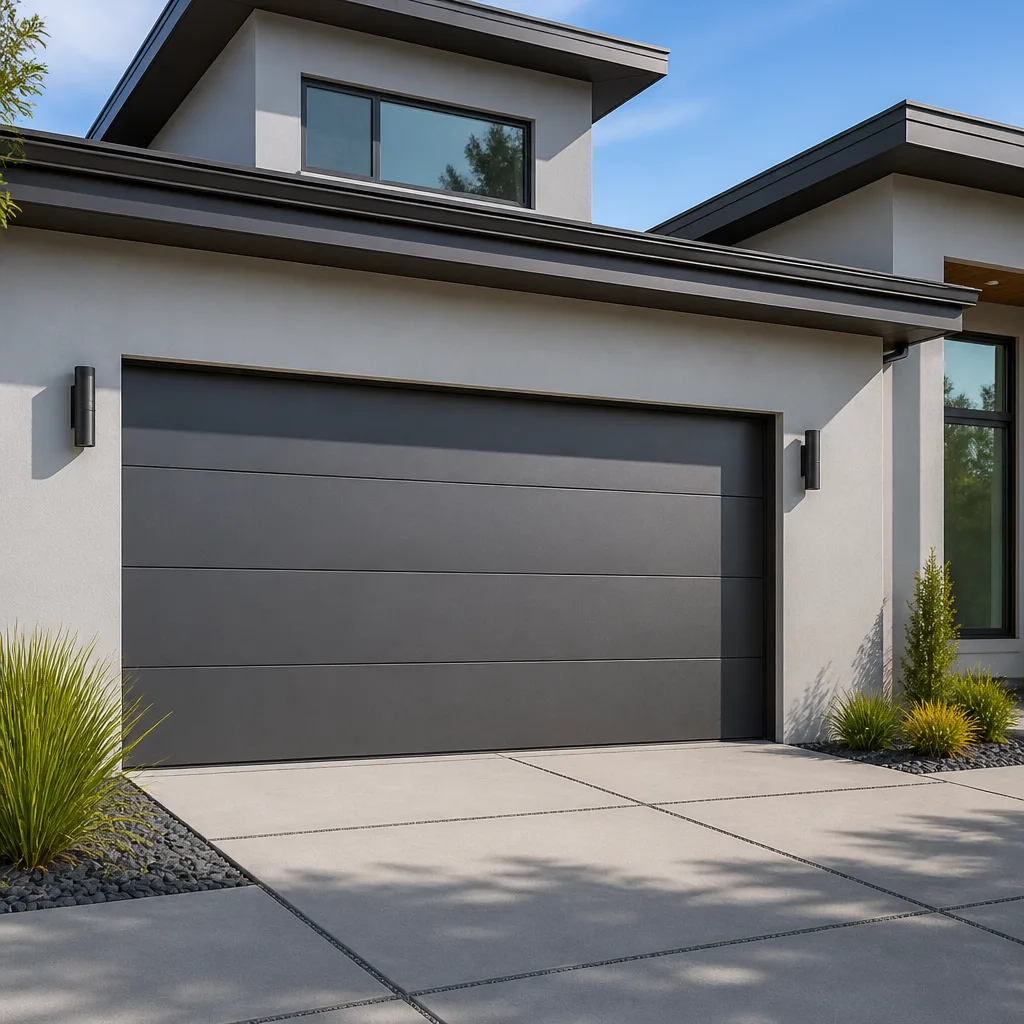 Modern flush
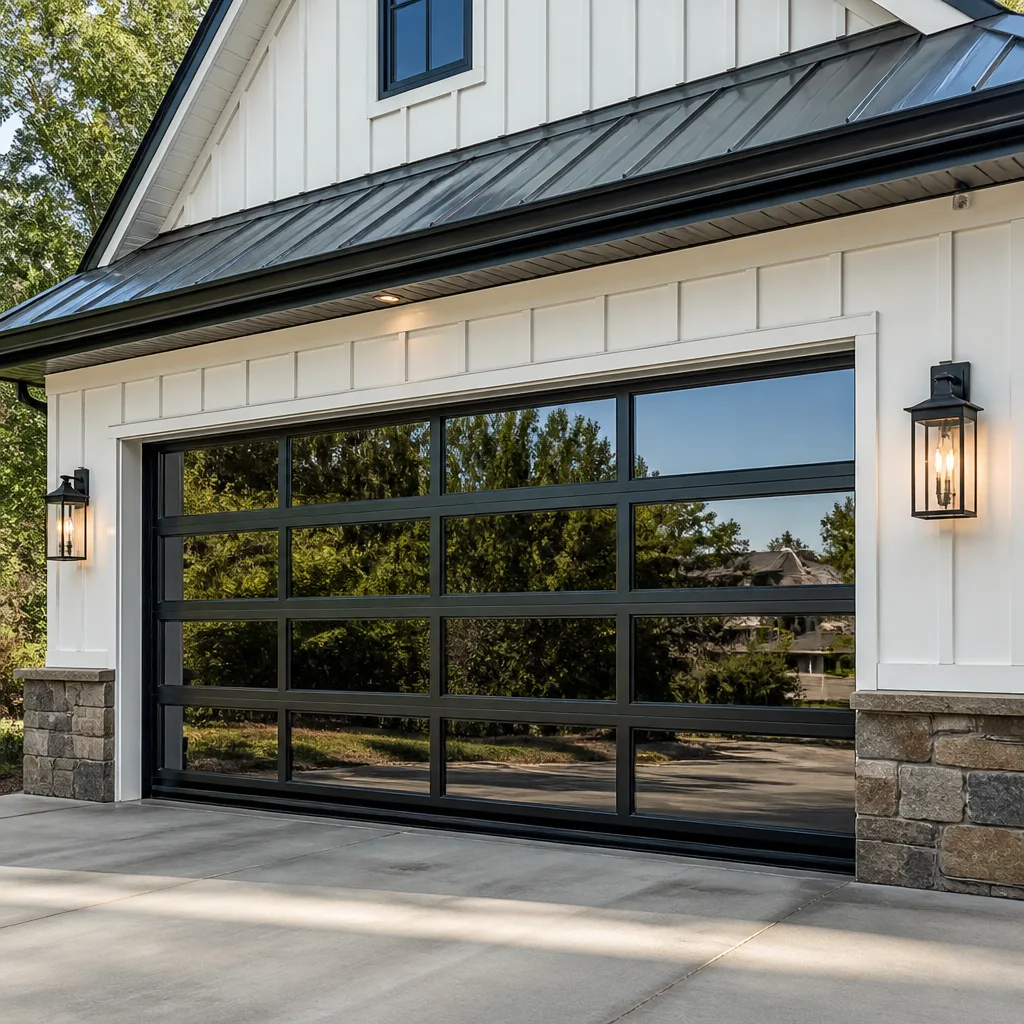 Full-view glass
 LiftMaster openers
 Chamberlain openers
Full 25-point door and opener safety check with every visit - springs, cables, rollers, tracks, and your LiftMaster or Chamberlain opener included
You get a price before we start. It does not change when the pro arrives.
Get your free estimateGarage Door Permits, Codes & Inspections in Attleboro, MA: What You Need to Know
Most Attleboro homeowners assume that replacing a garage door is a no-permit job. Often they’re right. But the exceptions are specific, common in this city’s housing stock, and expensive to discover after the door is already hanging. Here’s the one that catches people: if your garage has finished living space above it, Massachusetts fire-rating rules can apply to the wall and door between the garage and the house, and that changes the paperwork. This guide covers exactly when an Attleboro building permit is required, how the city’s building department handles garage work, what happens if unpermitted work surfaces at a home sale, and how subdivision HOA rules layer on top of the code.
Quick Answer
In Attleboro, MA, a straight like-for-like garage door replacement usually does not require a building permit, but work that alters the structure around the opening does. Widening or moving the opening, cutting or modifying a structural header, adding a new opening, or changing the fire-rated separation between an attached garage and living space all typically trigger a permit application through the City of Attleboro building department. When in doubt, call the building department before you order a door.
Styles & brands we work with
- Raised-panel steel
- Carriage house
- Modern flush
- Full-view glass
- LiftMaster openers
- Chamberlain openers
Table of Contents
- When does garage door work need a permit in Attleboro?
- What does the Massachusetts State Building Code require for attached garages?
- How does the City of Attleboro building department handle garage permits?
- What does a garage door inspection actually cover?
- What happens if unpermitted garage work surfaces during a home sale?
- Do Attleboro subdivision HOA rules affect my door choice?
- How do you verify a contractor before the work starts?
- What does garage door work cost in Attleboro?
When does garage door work need a permit in Attleboro?
The plain answer: swapping a door into an existing opening usually doesn’t, and changing the opening itself usually does. Attleboro’s building department reviews garage work against the same structural and fire-separation standards it applies to the rest of a house, so the permit question is really a question about whether the work touches structure.
These situations typically call for a permit application:
- Widening or moving the opening. Cutting into the framing to fit a larger door alters the load path across the wall, and that’s a structural change.
- Header modification or replacement. The header is the beam spanning the top of the opening. Any cut, notch, or replacement of it is structural work.
- Adding a new garage opening to a wall that never had one, including converting a solid wall or a window bay.
- Changing the door between an attached garage and living space where the fire separation is affected.
- Converting a garage to living space or the reverse, which changes how the space is classified and how it must be separated.
These typically do not:
- Replacing a door of the same size in the same opening with the same track configuration.
- Replacing an opener with a new unit of similar type.
- Routine garage door spring repair on an existing door.
- Replacing rollers, hinges, cables, or weather seal on an existing door.
One practical wrinkle in Attleboro: the city has a lot of older homes where the original garage was built to standards that have since changed, and where a previous owner widened an opening without paperwork. If your door measurement comes out slightly off from what the opening looks like it should be, that’s a sign to check the permit history before you order anything.
What does the Massachusetts State Building Code require for attached garages?
The Massachusetts State Building Code, in Section 110 and the residential provisions that accompany it, treats the wall and door between an attached garage and the house as a fire separation assembly. The point is to slow a garage fire long enough for people inside the house to get out. This is the single most important code concept for Attleboro homeowners to understand before replacing a door on a home with living space above or beside the garage.
What that means in plain terms:
- The separation matters more than the door’s looks. The door between the garage and the house, and the wall assembly around it, needs to hold up as a fire barrier. A hollow-core interior door is not the same thing as a rated assembly.
- Living space above the garage raises the stakes. A bedroom or bonus room sitting over the garage is directly in the path of smoke and heat rising from a fire below. That’s why the code looks closely at ceilings and separation in those homes.
- The overhead garage door itself is part of the system. Door construction, hardware, and how the door closes against its frame all affect how the garage performs as a separated space.
- Openers and their safety features are covered too. Modern openers need the reversing and entrapment-protection features the code expects, which is one reason we pay attention to the specific model during garage door opener repair.
Attleboro’s housing includes a lot of mid-century and older construction where garages were attached later or where the living space above was finished after the original build. In those homes, the separation between garage and house deserves a look before you assume a simple door swap is all that’s needed. We’re not code officials and we don’t issue permits, but we can tell you when what we see under the drywall and above the ceiling suggests a conversation with the building department is worth having.
How does the City of Attleboro building department handle garage permits?
Permit applications for garage work in Attleboro go through the city’s building department, and the process is the same shape as any residential structural permit. You submit, they review, you get approval to start, and inspections follow at set points. Turnaround depends on the department’s current workload and how complete your submission is, so the honest answer on timing is to ask them directly when you apply.
The steps generally run like this:
- Call the building department and describe the work. Say plainly whether you’re replacing a door in the existing opening or changing the opening, and mention if there’s living space above the garage. That one sentence often saves a week of confusion.
- Confirm whether a permit is required for your specific scope. Get the answer from the department, not from a forum or a neighbor.
- Prepare the application with a description of the work, dimensions, and any drawings the department asks for. Structural changes need more documentation than a swap.
- Submit and pay the fee. Fees are set by the city and scale with the scope of work, so there’s no useful rule of thumb beyond asking.
- Get approval before starting. Work that starts before approval is exactly the kind of thing that creates problems later.
- Schedule inspections. The inspector looks at framing and separation at the appropriate points, and the department will tell you when those points are.
For Attleboro homeowners in neighborhoods like Briggs Corner, West Attleboro, and the streets around Capron Park, the practical advice is the same regardless of address: call the department first, and if the scope involves structure, plan for the review time in your schedule rather than after the door arrives. If you’re not sure whether your project is structural, that’s the moment to ask rather than guess.
What does a garage door inspection actually cover?
A garage door inspection checks the door as a working machine and, when a permit applies, as part of the building. A trained eye walks through the whole system. Some of what gets checked overlaps with the code requirements above, and some is pure safety.
- Springs and cables. Torsion and extension springs, and the cables that run alongside them, are under serious tension. Corrosion, stretched springs, and frayed cables are the top failure points on any door, and a failing spring can let a door drop.
- Balance. A properly balanced door stays put roughly halfway up when you let go. A door that crashes down or drifts up needs attention.
- Rollers, hinges, and track. Worn rollers and bent track cause the door to bind and put strain on the opener.
- The opener and its safety features. The reversing function and the photo-eye sensors need to work. This is where knowing the brand matters, because a LiftMaster, Chamberlain, Genie, or Craftsman unit has different settings and different diagnostics.
- Fire separation where it applies. On an attached garage with living space nearby, the inspector may look at the wall and door assembly between garage and house.
- The door’s closure and seal. A door that doesn’t meet its frame lets cold air, snowmelt, and pests in during a New England winter, and that’s the main reason Attleboro homeowners call us in January.
A good inspection ends with a clear list of what’s fine, what needs attention now, and what can wait. That’s how our technicians work through a garage door repair visit: diagnose the whole door, not just the part that made the noise.
What happens if unpermitted garage work surfaces during a home sale?
Unpermitted garage work can stall a home sale. When a buyer’s inspector or attorney notices that an opening was widened, a header was changed, or a garage conversion was never permitted, the sale can slow down while the seller either produces paperwork or has the work reviewed after the fact. How the city handles it depends on the situation, and the answer always starts with a call to the building department.
This comes up in Attleboro for a few reasons specific to the city:
- Age of the housing stock. Many garages were added, widened, or converted by previous owners decades ago. Records from that era are often thin.
- Finished space above garages. A bonus room over a garage is a strong selling point, and buyers’ inspectors look closely at how that space is separated from the garage below.
- Conversions. A garage turned into a family room without a permit is one of the most common issues that surfaces in a sale, because the change is visible but the paperwork isn’t there.
The practical lesson for anyone buying or selling in Attleboro is to check permit history for garage-related work before closing. If the records are missing, ask the building department what they’d need to see. And if you’re having a door installed and the scope touches structure, get the permit handled up front. It’s far less expensive than discovering the gap years later with a buyer standing in the driveway.
Do Attleboro subdivision HOA rules affect my door choice?
Yes, and it’s the step homeowners most often skip. HOA or deed-restriction rules in Attleboro’s newer subdivisions can govern the style, color, material, and window pattern of a replacement garage door, and they operate independently of the building code. A door that passes inspection can still fail the architectural review committee.
How to check before you order:
- Find your HOA documents. The rules are usually in the declaration or the architectural guidelines attached to your deed. Your closing paperwork is the fastest place to look.
- Look for door-specific language. Some HOAs specify colors or styles, others require approval for any visible exterior change.
- Submit an architectural request if one is required. Include the door model and color, ideally with a photo or spec sheet from the manufacturer.
- Get approval in writing before the door is ordered. Special-order doors in nonstandard colors are hard to return.
- Keep the approval record with your home documents, the same way you’d keep a permit.
This matters most with manufacturers whose doors come in multiple panel and carriage styles, like the Clopay and Amarr lines we work with regularly. Those lines give you a lot of visual choice, which is great for matching a house’s look and less great if you picked a design your HOA won’t sign off on. Knowing the brand and the model line means we can talk through which styles are typically approved in subdivision settings before you commit.
How do you verify a contractor before the work starts?
Ask three things: for the written estimate, for the permit plan, and for proof that the local pro is licensed and insured as their state requires. A garage door job is a service visit, not a handshake, and the right contractor is comfortable answering all three before any tool comes out.
- Get it in writing. The estimate should list the parts, the door or opener model, and the labor. If the scope touches structure, it should say who’s pulling the permit.
- Ask about the permit explicitly. A contractor who waves off the question on a structural change is telling you something.
- Confirm licensing and insurance. The local professional performing the work is licensed and insured as their state requires. Ask for it.
- Ask what brand they work on. If your door is a Raynor or a Wayne Dalton, and the person on the phone has to look it up, that’s a signal. Our technicians work on LiftMaster, Chamberlain, Genie, Clopay, Amarr, Wayne Dalton, Craftsman, and Raynor, which means we’re not guessing at settings or part numbers on the truck.
- Ask who does the work. We connect homeowners with independent local professionals, so it’s fair to ask who’s coming and what their experience is.
We’ve always thought the permit question protects the homeowner and the contractor equally. It sets the scope in writing before the door is ordered, and it means nobody is surprised later.
What does garage door work cost in Attleboro?
Prices below are typical estimated ranges for the Attleboro market. They’re a starting point, not a quote. The written estimate you get after we look at the door sets the final price, and the price is quoted and agreed before any work starts.
| Job | Typical Estimated Range |
|---|---|
| Single torsion spring replacement | $180 to $340 |
| Matched pair of springs (usually replaced together) | About twice the single-spring price |
| Opener repair | $120 to $280 |
| Opener replacement (unit and labor) | $350 to $700 |
| Sectional door replacement, standard single door | $900 to $2,200 |
| Sectional door replacement, double door | $1,600 to $3,500 |
| Roller, hinge, and tune-up service | $100 to $250 |
A few things shape where you land in those ranges. Door size, insulation, and window count move the door price the most. Opener type matters too, and a LiftMaster or Genie unit with smart features sits higher than a basic Chamberlain chain drive. Permits, where they apply, are a separate cost set by the city, and HOA approval is usually free but adds time.
Two Attleboro-specific cost notes. First, our winters are hard on doors: freeze-thaw cycles work on the bottom seal and the concrete at the threshold, and snow piled against a door puts load on the bottom section. Springs also weaken faster in cold weather. Second, a lot of Attleboro homes have older single-car garages with doors narrower than the current standard, which can mean a special-order door and a bit more lead time. None of that is a reason to guess at a price, which is why we measure first and quote after.
Common Mistakes to Avoid
- Assuming a replacement is always permit-free. It usually is. But if there’s living space above the garage or the opening is changing, that assumption can cost you later, and the building department is a phone call away.
- Skipping the HOA step before ordering. Special-order doors in nonstandard colors are hard to return. Get the architectural approval in writing first.
- Letting anyone who isn’t trained work on springs. Torsion springs are under enough tension to cause serious injury. There’s no safe DIY version of this job, and it’s not a job for a general handyman either. Our technicians handle spring work as a specialty, and we recommend you let a trained professional take it.
- Replacing one spring when the pair is due. Matched springs wear at the same rate. Swapping one and leaving the other sets you up to pay the visit twice.
- Buying an opener without checking what the door needs. A heavy, insulated double door needs a different opener than a light single. Knowing the brand and model of both keeps the pairing right.
- Ignoring the bottom seal through a New England winter. A worn seal lets snowmelt in and lets cold air through. It’s one of the cheapest fixes on the door.
- Assuming an old garage conversion was permitted. If you’re buying in Attleboro, check the permit history before closing. It’s easier than sorting it out afterward.
See the difference
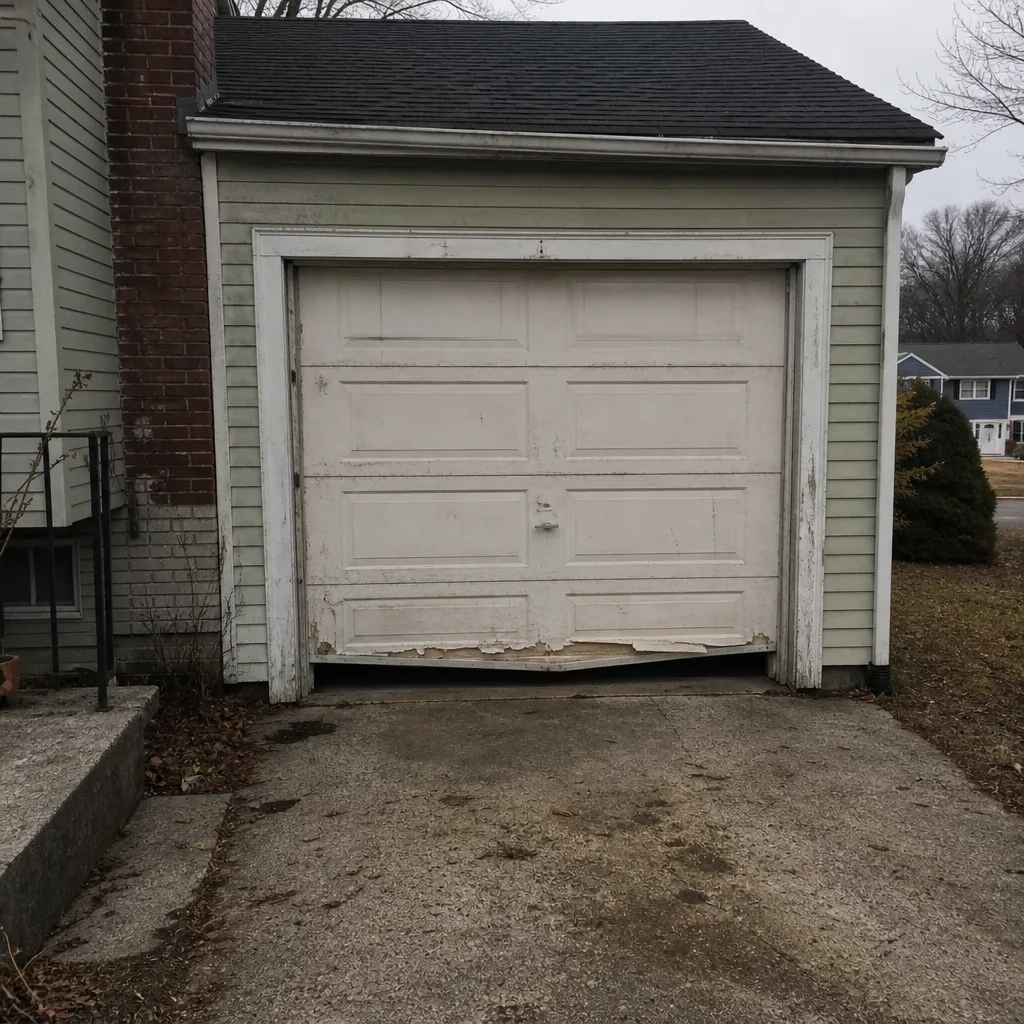 Before
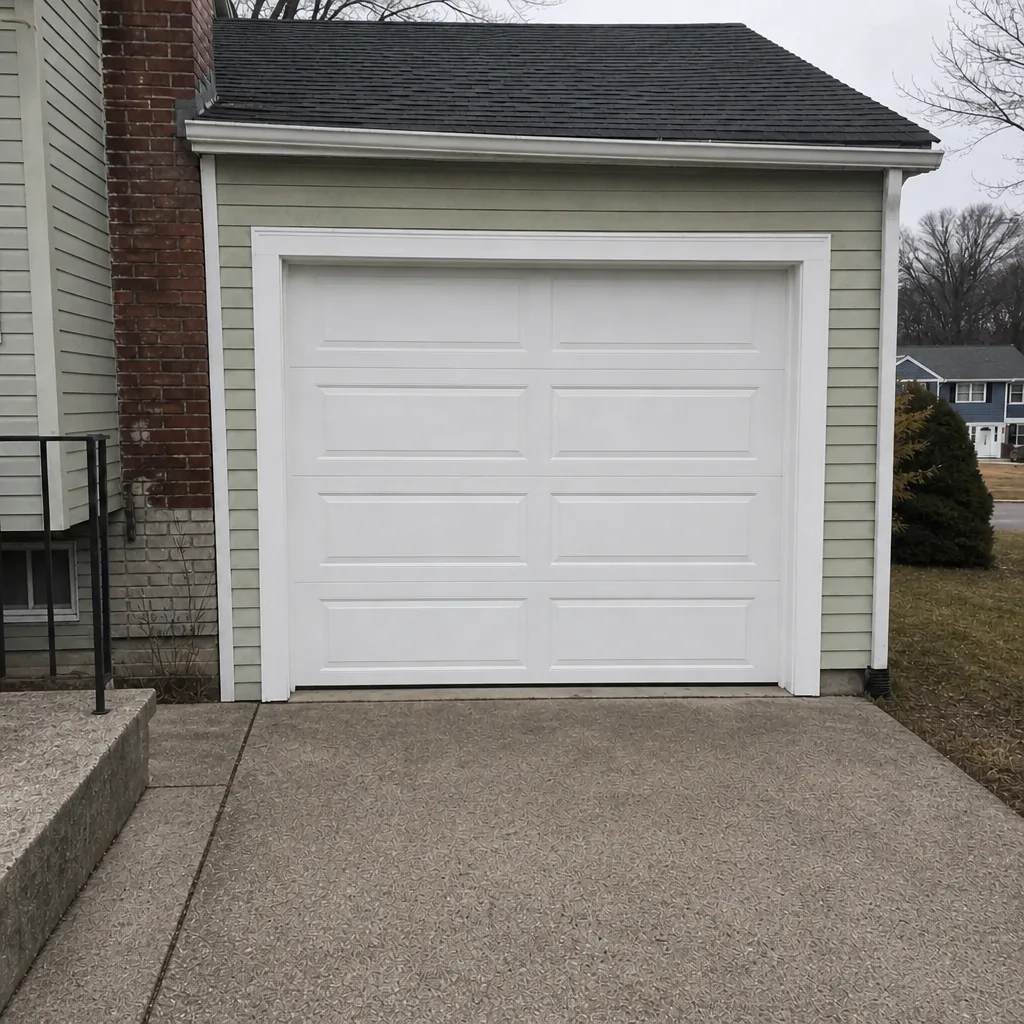 After
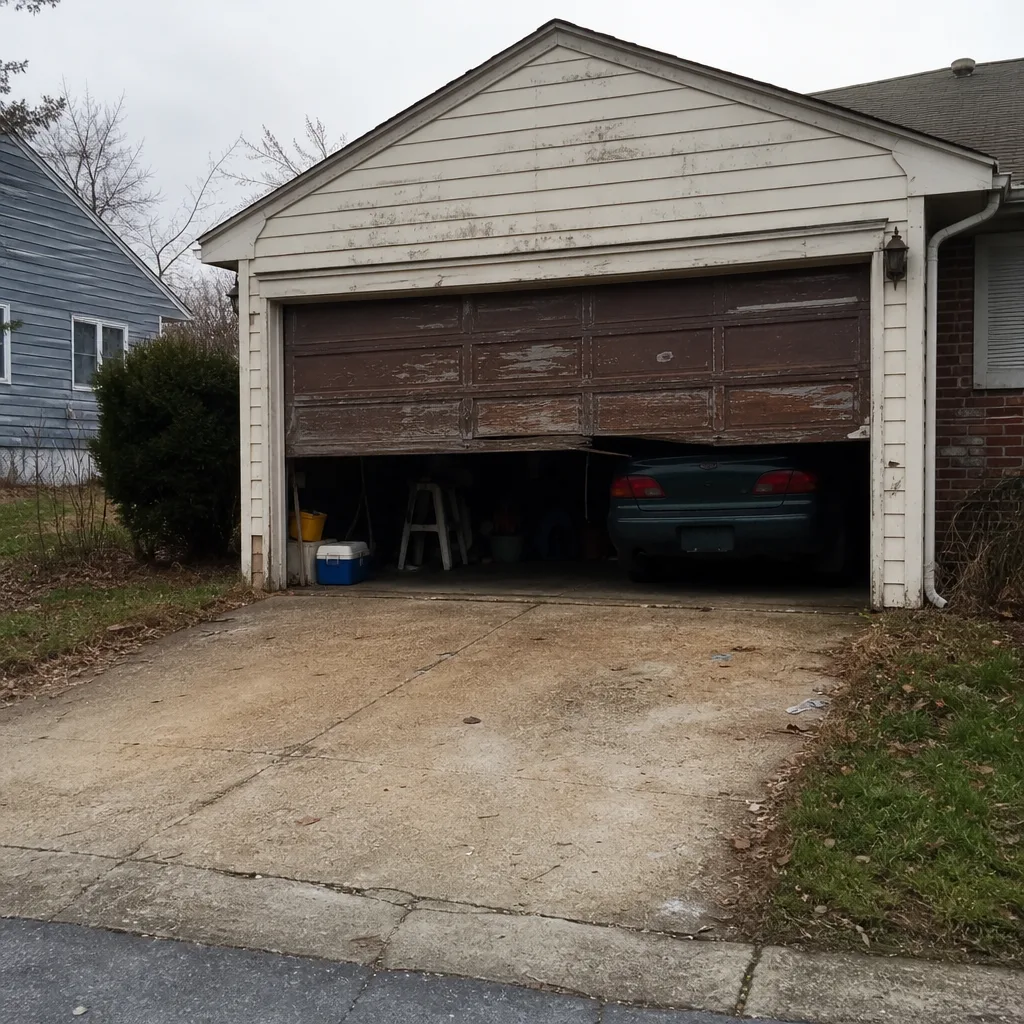 Before
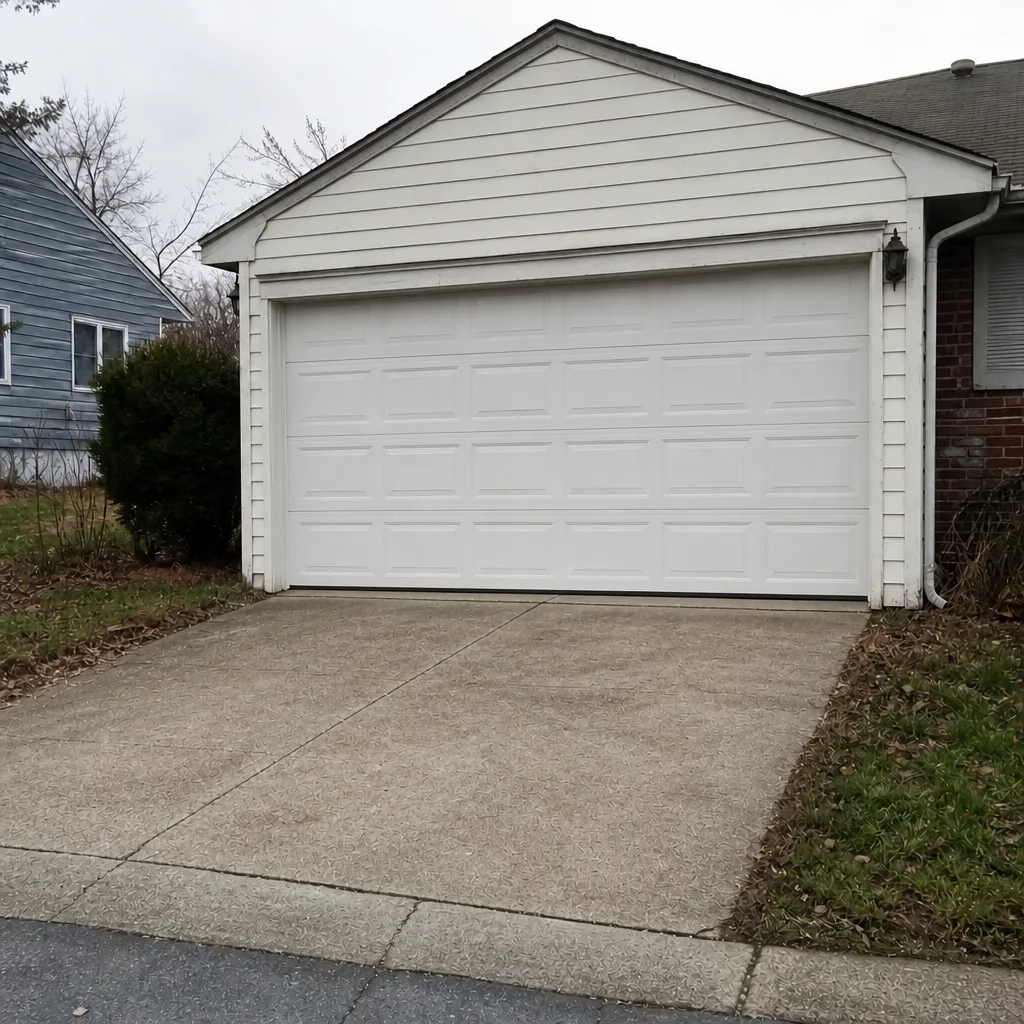 After
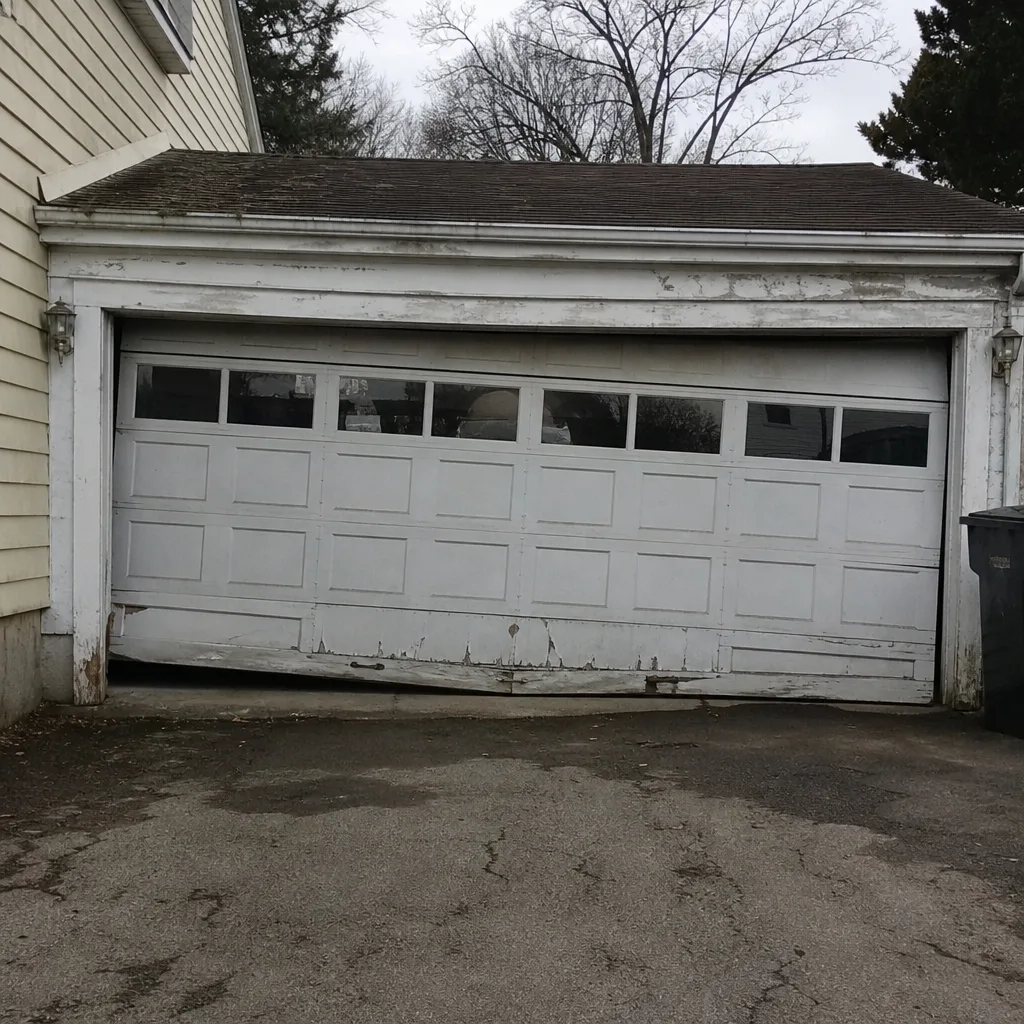 Before
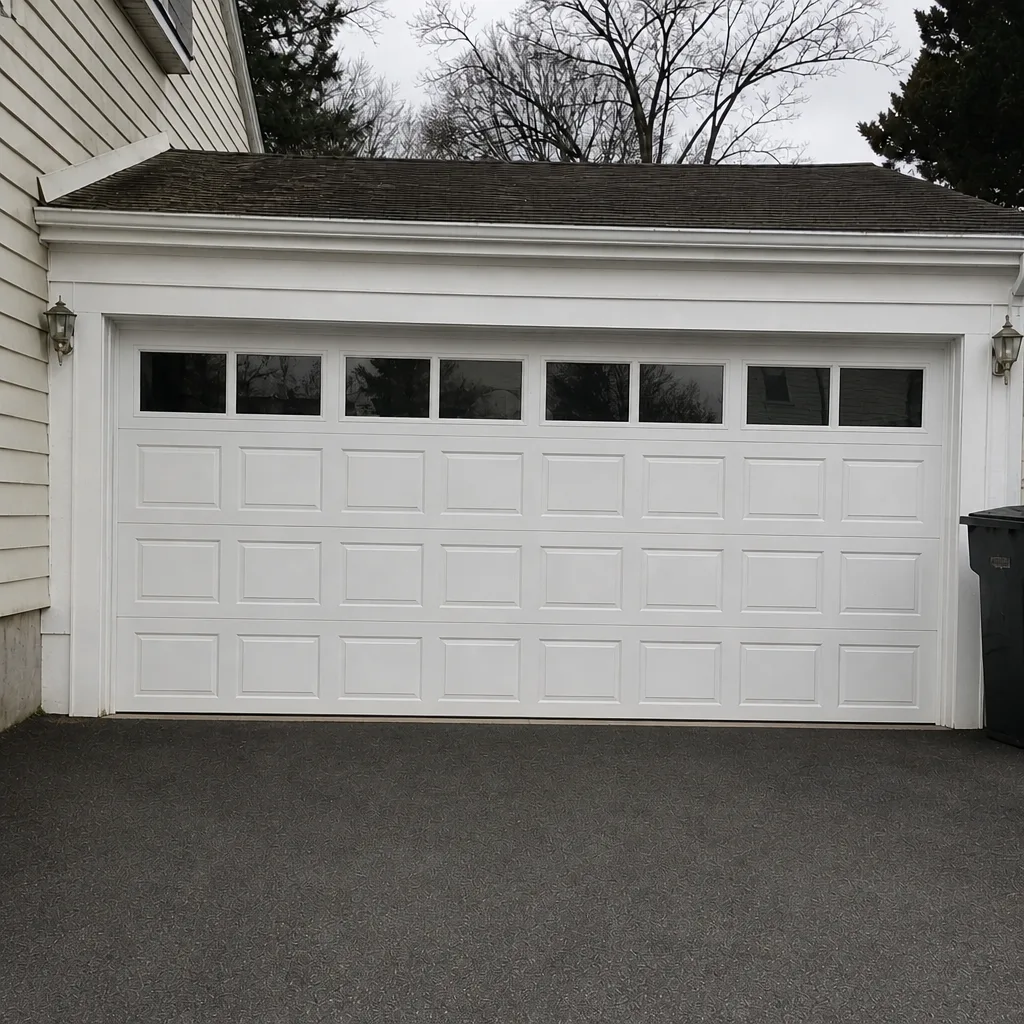 After
When to Call a Professional
Call a professional when a spring snaps, when the door drops instead of staying up, when a cable is frayed, or when the door goes crooked in the track. Those are the situations where the door is under tension or out of balance, and both can hurt someone. Call us for opener problems that don’t clear up with a battery change or a sensor alignment, and for anything that leaves the door unable to close, since an open garage on a house you’re not standing next to is a security problem you don’t want overnight. And call before you order a replacement door if you’re unsure about permits or HOA rules. Attleboro Garage Door Repair offers free estimates in Attleboro. Call (855) 268-3636. We answer 24/7. Fast dispatch from 7am to 7pm, Sunday through Friday. Our technicians have up to 9 years of experience, and they work on the equipment you already own, including the opener brand you’ve had for years.
Frequently Asked Questions
Usually no, if you’re replacing a door of the same size in the existing opening. A permit is typically needed when the work changes the opening itself, involves the header, adds a new opening, or affects the fire separation between an attached garage and living space. Call the City of Attleboro building department to confirm your specific scope before you order. Call (855) 268-3636 for an exact quote on the door work, estimates are free.
Turnaround depends on the building department’s current workload and how complete your application is, so ask them when you apply. Structural changes with drawings take longer than a simple scope. The one thing in your control is the completeness of the submission, and calling first to confirm what’s required saves the most time. Call (855) 268-3636 if you need the door measured and quoted while the permit is in review.
That’s the situation where fire separation gets careful attention under the Massachusetts State Building Code, because living space over the garage sits directly above the hazard. The wall and door assembly between garage and house need to perform as a fire barrier, and that can affect both the door you choose and the paperwork involved. If the door between the garage and the house is being replaced, that’s a question for the building department. Call (855) 268-3636 and we’ll walk you through what to ask.
It can stall one. Buyers’ inspectors look closely at widened openings and garage conversions, and missing records can hold up closing while the seller sorts it out with the building department. Checking permit history before you buy is the cheapest insurance. If you’re the seller and know of prior work, ask the department what they’d need. Call (855) 268-3636 if you need a current door inspected before listing.
Yes, if your subdivision has architectural rules covering door style or color. HOAs operate independently of the building code, so an approved permit doesn’t guarantee design approval. Get the HOA’s sign-off in writing before the door is ordered, and keep that record with your home documents. Call (855) 268-3636 and we can talk through which Clopay or Amarr styles tend to clear subdivision review.
No. Torsion and extension springs are under enough tension to cause serious injury, and a spring that lets go suddenly can take a door with it. This is the one part of the door we always recommend leaving to a trained professional, and we handle spring work as a specialty. Call (855) 268-3636 for a free estimate.
The Bottom Line
Most garage door replacements in Attleboro don’t need a permit, and the exceptions are predictable: structural changes to the opening, header work, new openings, and anything affecting the fire separation around an attached garage. Call the City of Attleboro building department first on any structural scope, check your HOA rules before ordering a special-order door, and verify licensing and insurance before work starts. Get the price in writing before anyone touches the door, and let a trained professional handle springs. If you’re not sure which category your project falls into, that’s a good reason to call (855) 268-3636 and get a free estimate from Attleboro Garage Door Repair. We answer 24/7. Fast dispatch from 7am to 7pm, Sunday through Friday, and we’re closed on Saturday.
Written by the team at Attleboro Garage Door Repair.