
Last updated November 23, 2026
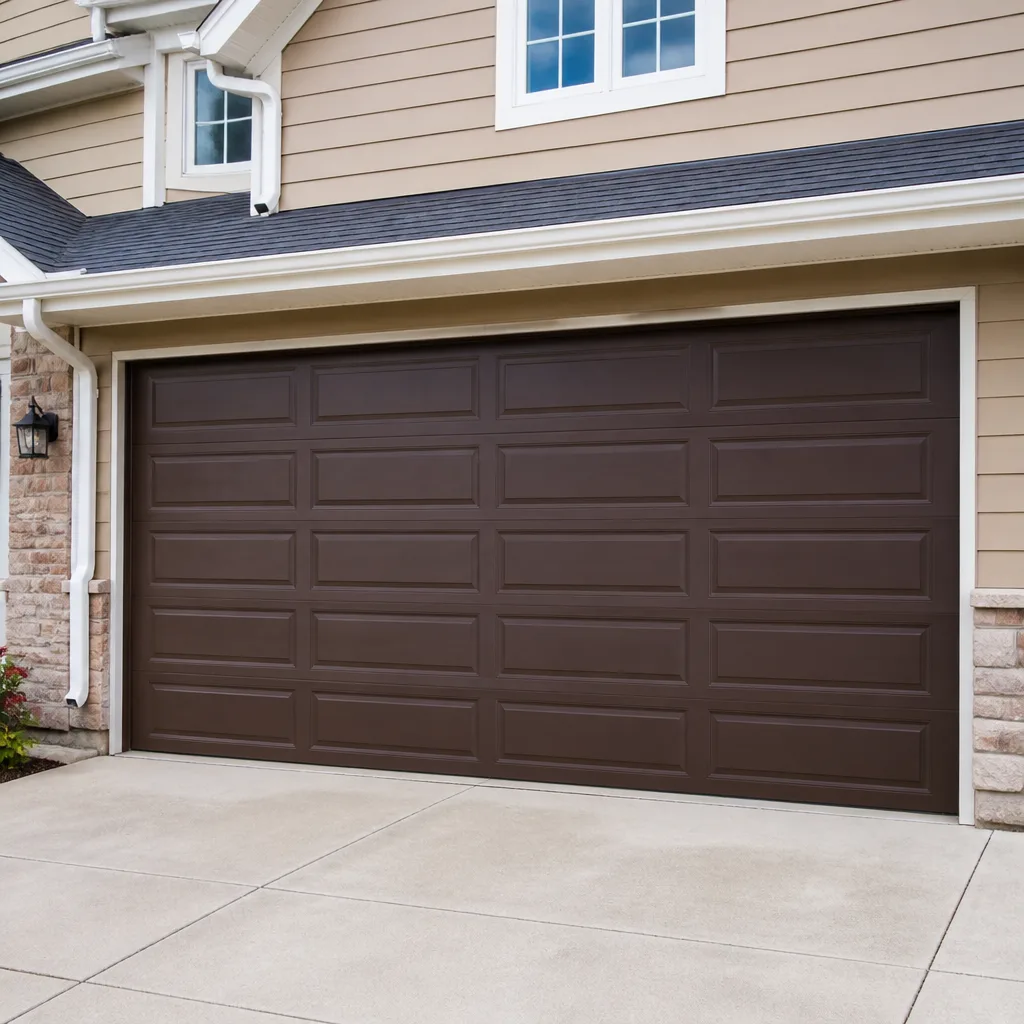 Raised-panel steel
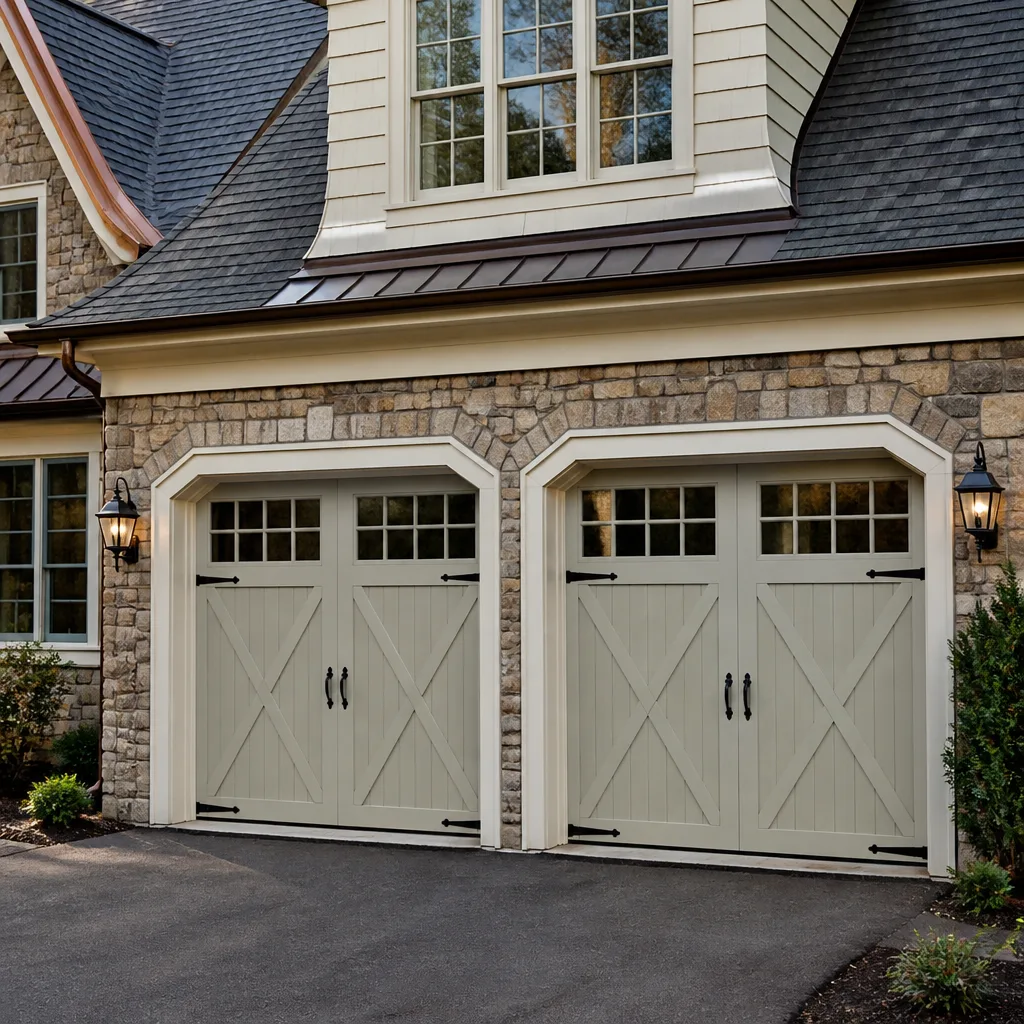 Carriage house
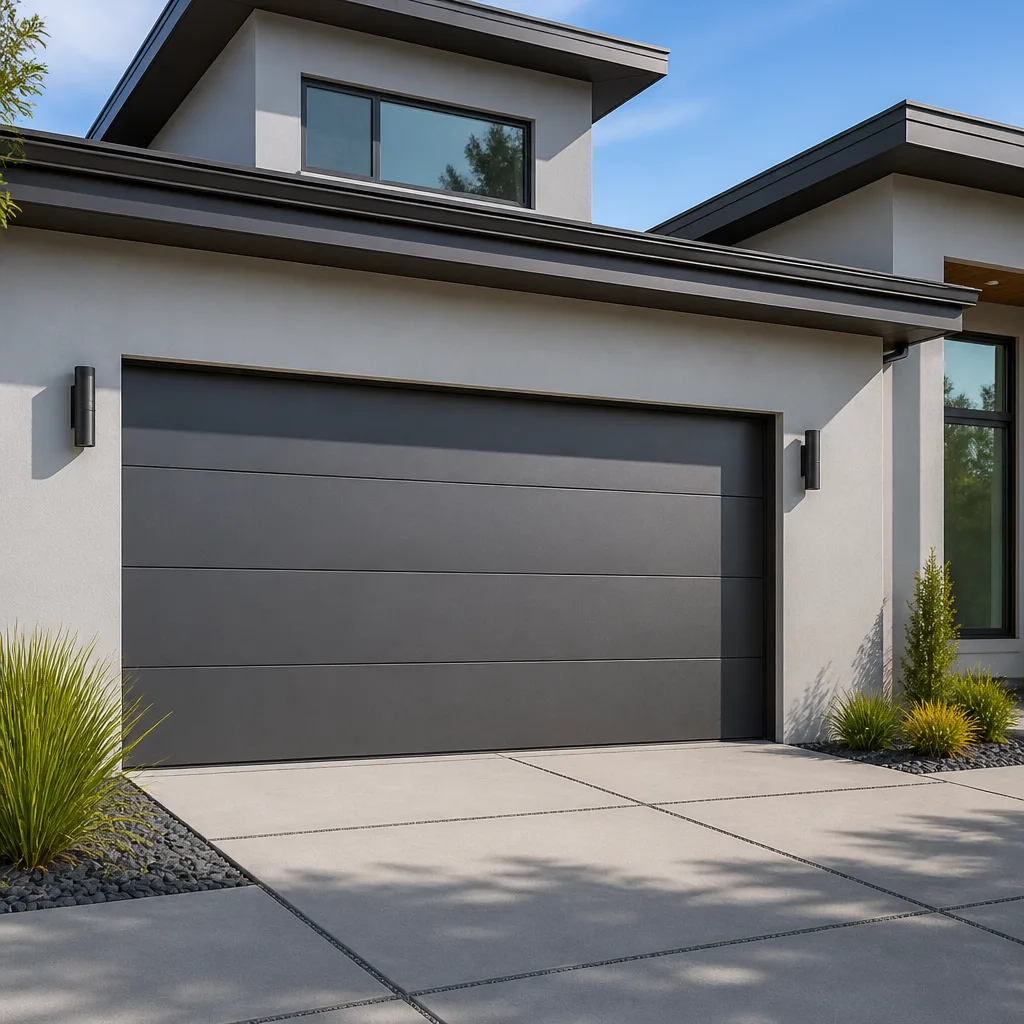 Modern flush
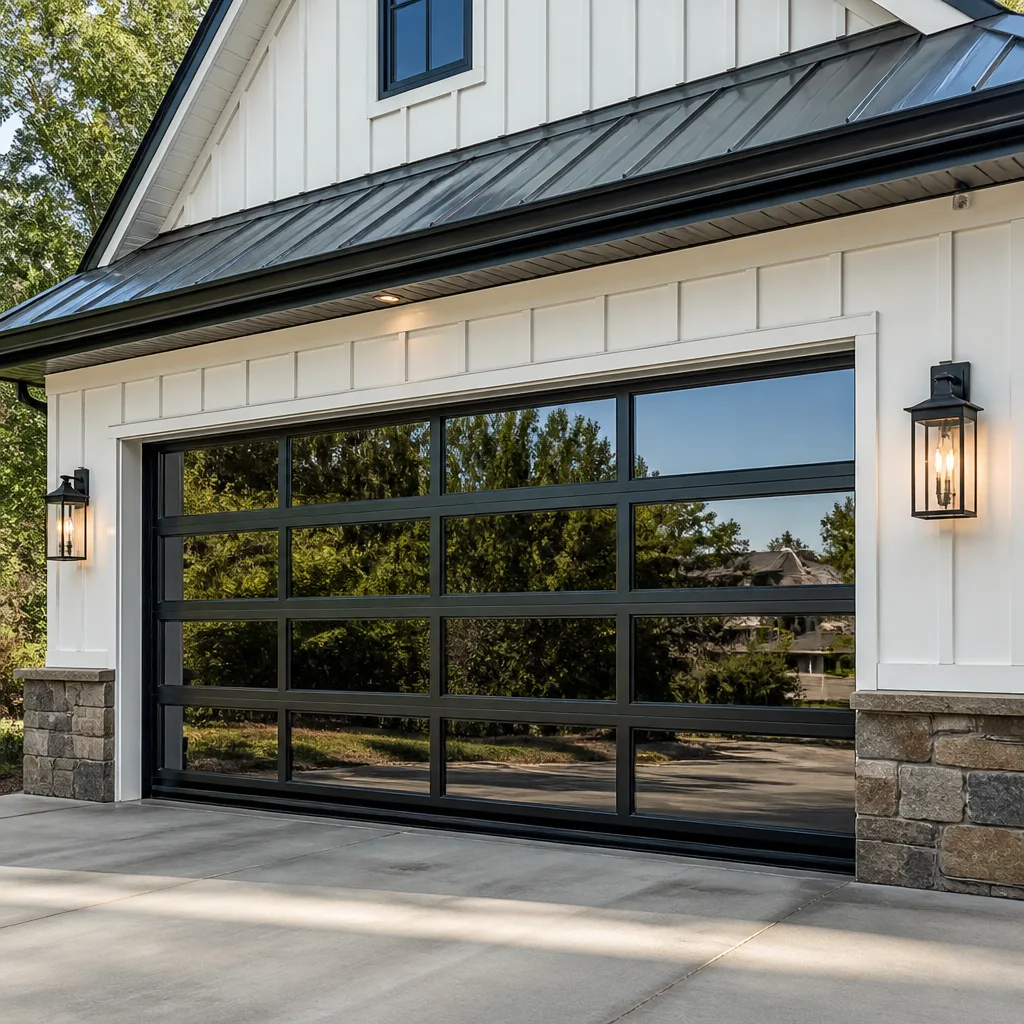 Full-view glass
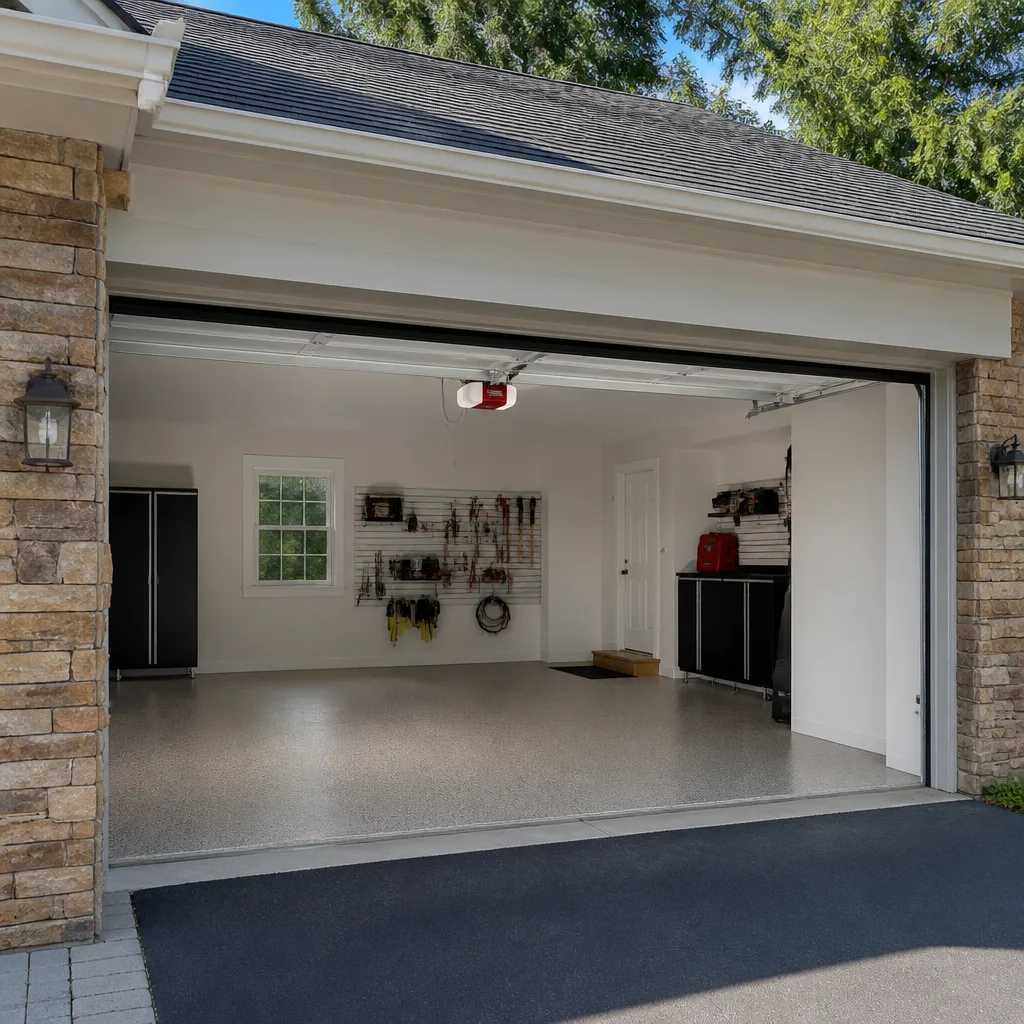 LiftMaster openers
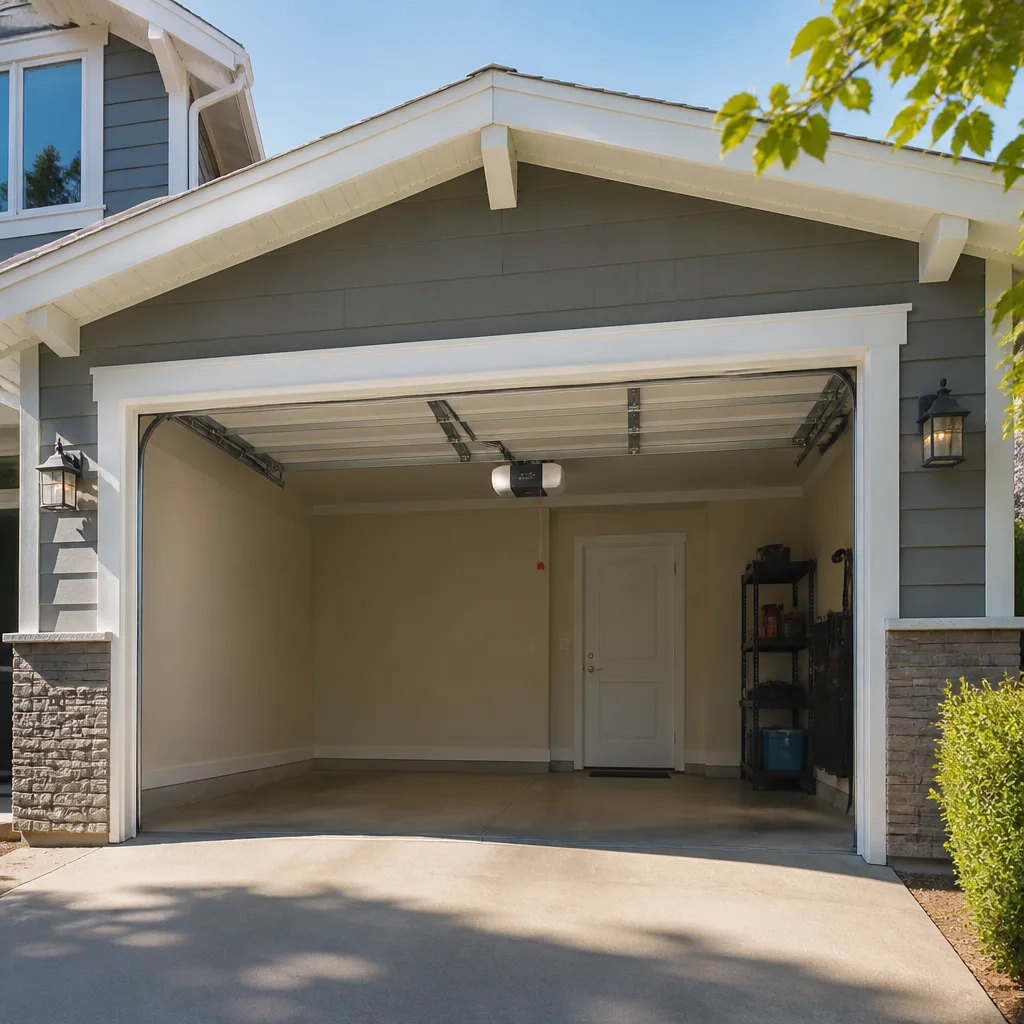 Chamberlain openers
Full 25-point door and opener safety check with every visit - springs, cables, rollers, tracks, and your LiftMaster or Chamberlain opener included
You get a price before we start. It does not change when the pro arrives.
Get your free estimateGarage Door Repair Troubleshooting in Attleboro: Common Problems and How to Fix Them
Most homeowners assume a garage door that stops working needs a major repair. Usually it doesn’t. A door that reverses before closing, jerks halfway up, or refuses to budge is almost always sending a signal about a specific part in the system, and that signal is often clearer than the symptom itself. Your opener may already be telling you exactly what went wrong through a blink code on its LED panel, but most people never look. This guide teaches you how to read those clues in the right order, so you know what’s actually wrong, what’s safe to handle, and what to describe when you call so the right technician arrives with the right parts. We’re writing this from Attleboro, where the seasons put garage doors through a specific kind of stress.
Quick Answer
Garage door troubleshooting in Attleboro starts with the opener’s LED blink code, then moves through a fixed visual sequence: springs, cables, tracks, safety sensors, and finally the opener motor. Problems like sensor misalignment, dead remote batteries, and travel limit settings are genuinely safe to fix yourself. Torsion spring failure, frayed cables, and bent track sections carry real injury risk and require a trained technician. Reading the right clues first means the repair gets handled correctly on the first visit.
Styles & brands we work with
- Raised-panel steel
- Carriage house
- Modern flush
- Full-view glass
- LiftMaster openers
- Chamberlain openers
Table of Contents
- Start With the Blink Code, Not the Symptom
- The Visual Inspection Sequence: Why Order Matters
- What’s Safe to Fix Yourself and What Isn’t
- How Attleboro’s Freeze-Thaw Cycles Affect Your Door
- The Six Most Common Problems and What Each One Means
- What to Have Ready When You Call
- Can the Door Be Fixed the Same Day?
Start With the Blink Code, Not the Symptom
Your opener’s LED panel is the most underused diagnostic tool in the garage. Before you touch anything else, walk over to the motor unit and count the flashes. LiftMaster and Chamberlain openers use a specific flash pattern to indicate faults, and Genie units do the same with their own codes. A repeated pattern of one flash, a pause, then one flash tells a very different story than five short flashes in a row. Count carefully, note the pattern, and check your opener’s manual or brand-specific documentation.
Why does this matter so much? Because the symptom “the door won’t close” can come from at least four different causes: a blocked safety sensor, a stripped drive gear, a misaligned track, or a travel limit that drifted. Each of those requires a completely different repair. The blink code narrows it down before you start guessing.
Here’s how to read it:
- Locate the LED indicator on the back or side of the motor unit.
- Press and release the wall control, then watch the LED as the door attempts to move.
- Count the number of flashes in each burst, and note the pause between bursts.
- Match the pattern to your opener brand’s code chart. Raynor, LiftMaster, Chamberlain, and Genie all document these codes in their manuals.
If your opener has no LED panel or the code doesn’t match anything in the manual, that’s your signal to stop and call. A technician with brand familiarity will recognize the pattern quickly. Our technicians have up to 9 years of experience working with these systems, which is time spent learning how each brand signals its faults.
The Visual Inspection Sequence: Why Order Matters
Once you have the blink code, do a visual walk-around of the whole door. But do it in a specific order: springs first, then cables, then tracks, then sensors, then the opener. This isn’t arbitrary. Springs and cables carry the tension that holds the door up. If one of those has failed, checking the tracks or sensors first puts you in a dangerous position under a door that could drop. Springs and cables are the first thing to check because they determine whether it’s safe to proceed with anything else.
Here’s the sequence in full:
- Springs. Look at the torsion spring on the shaft above the door, or the extension springs along the sides. A snapped spring shows a visible gap in the coil. Never touch a spring or the shaft. Just observe.
- Cables. Check the steel cables that run along the sides of the door. Fraying, kinks, or slack in the cable is a stop sign. A loose cable can whip loose with force.
- Tracks. Stand back and look at the vertical and horizontal tracks. They should be straight and parallel. Any visible bend, dent, or separation is worth noting.
- Safety sensors. The two small sensors sit near the floor on each side of the door. Check that they’re facing each other squarely and that the lens isn’t fogged or blocked. If the sensor indicator light on one is off, they’re out of alignment.
- Opener. Check the motor unit last. Look for the LED code, listen for unusual sounds when you press the wall control, and confirm the manual release works.
This order keeps you away from the hazardous components until you’ve confirmed the door is stable. It also means that when you describe the problem to someone, you can tell them what you found at each step, not just “the door won’t work.” In Attleboro, this sequence saves time on every diagnosis.
What’s Safe to Fix Yourself and What Isn’t
Some garage door problems are genuinely safe to fix on your own. Others carry a real risk of serious injury and should stay with a trained technician. The dividing line is simple: if the fix involves releasing tension, adjusting cables, or working under a door held up by a counterbalance system, it’s not a homeowner job.
Safe to attempt:
- Sensor alignment. The safety sensors near the floor can shift out of alignment over time. Check that both lenses are clean and facing each other. A slight nudge back into position often restores the door’s ability to close.
- Remote battery. A remote that stops working is usually a dead battery. Replace it and re-test. If the wall control still works but the remote doesn’t, it’s almost always the battery or the remote’s pairing.
- Travel limit adjustment. If the door doesn’t close all the way, the travel limit may need a small adjustment. This is a matter of turning a screw on the opener unit, guided by your manual. It’s a small, low-risk adjustment.
Leave to a professional:
- Torsion springs. These store enormous energy. A spring under tension can cause severe injury if handled without the right tools and training. This is not a job for a homeowner.
- Frayed or slack cables. Cables carry the door’s weight along with the springs. Don’t touch them.
- Bent or separated track. Track repair often requires releasing the door from the opener and lifting the door out of the way, which creates a fall hazard.
- Opener gear replacement. The drive gear inside the motor is a mechanical part that requires disassembly. If the blink code points here, call for garage door opener repair.
If your diagnostic points to a spring, the safest move is a call. Our garage door spring repair work is a specialty because it’s one of the most hazardous repair jobs on a home. Springs are dangerous, and a pro matters here.
How Attleboro’s Freeze-Thaw Cycles Affect Your Door
Attleboro’s winters bring repeated freezing and thawing, and that cycle works on a garage door in ways that homeowners in milder climates don’t see. Water seeps into small gaps in track joints, metal seams, and the frame around the door opening, then freezes and expands. Over a season of this, metal can shift slightly out of true.
The most common result is a track that warps or bows just enough to bind the door’s rollers. The door will start to jerk, stall, or reverse on one side before moving freely again. You may notice it most on cold mornings. The door grinds for the first few inches, then seems fine once things warm up. That pattern is a strong clue that the problem is in the track, not the opener.
The second seasonal issue is sensor drift. Cold weather can fog or frost the sensor lenses, and the small brackets holding the sensors can shift slightly when the concrete floor heaves from frost. A sensor that was perfectly aligned in October can be just off-center by January. The door reverses before closing, and the LED on the sensor blinks to signal the obstruction.
What to watch for as the seasons change:
- The door moves unevenly in cold weather but smooths out in warmer air.
- You need to press the remote twice on cold mornings.
- One side of the door lags behind the other.
- The safety sensor light flickers or goes off after a cold snap.
In our experience, most freeze-thaw track issues are caught early if homeowners know what to look for. A bent track that goes unattended will wear the rollers and put stress on the opener. When you call for garage door repair, describe the seasonal pattern. A technician who knows Attleboro winters will know exactly where to look.
The Six Most Common Problems and What Each One Means
These six issues account for the vast majority of the calls we field from Attleboro homeowners. Each one has a distinct signature, and knowing which is which helps you describe the problem accurately and decide whether to try a fix or pick up the phone.
1. Door reverses before closing
Usually a sensor issue. The safety sensors at the base of the track are misaligned, blocked, or dirty. Check the lens and the alignment first. If the sensors look fine and the indicator light is on, the problem may be in the wiring or the opener’s logic board.
2. Door opens a few inches and stops
A travel limit problem or a binding track. The opener thinks the door has reached the open position when it hasn’t. Check the tracks for bends, especially in cold weather. If the tracks are straight, the limit setting needs adjustment.
3. Door won’t move at all
Check the blink code first. This is often a stripped drive gear in the opener, a dead motor, or a power issue at the outlet. Listen for a humming sound from the motor with no movement. That pattern points to the gear or the drive system.
4. Loud bang from the garage, door won’t lift
A snapped torsion spring. Don’t touch anything. A snapped spring is visible as a gap in the coil, and the door becomes too heavy to lift manually. This is a call-right-away problem, not a troubleshoot-it-yourself one.
5. Door is crooked or hangs at an angle
A cable has come off a drum or become slack, or one spring has failed on a two-spring system. The door is now unbalanced. Don’t operate it. Call for a professional to inspect the cables and springs together.
6. Remote works intermittently
Usually a weak battery in the remote, or interference with the opener’s radio receiver. Test the wall control first. If the door opens from the wall but not the remote, replace the battery. If that doesn’t fix it, the issue is in the opener’s receiver logic.
What to Have Ready When You Call
The single biggest time-saver in a garage door repair call is an accurate description before anyone leaves the shop. When you have the right information ready, the technician can carry the likely parts on the first trip and complete the repair in one visit. Here’s what to gather:
- Opener make and model. Check the label on the motor unit. LiftMaster, Chamberlain, Genie, and Raynor each have different internal components, and the model number tells the technician exactly which parts match.
- Door make and type. Look for the manufacturer label on the door panel. Clopay, Amarr, and Wayne Dalton doors have different panel designs and track configurations.
- Blink code pattern. Count the flashes and note the pauses. Even an approximate count (“five quick flashes, then a pause, then five more”) is useful.
- What you’ve observed. Does the door reverse, stall, jerk to one side, or make noise? When does it happen: on opening, on closing, or both?
- Approximate door weight or size. A double-door weighs significantly more than a single. If you know the width (8, 9, or 16 feet, for example), that helps.
- Any visible damage. Bend in the track, gap in the spring, frayed cable, sensor light off. Describe what you see, not what you think it means.
That last point matters more than it seems. “The door won’t close” is a symptom. “The door won’t close, the right sensor’s indicator light is off, and the left one blinks when I wave my hand in front of it” is a diagnosis waiting to happen. It tells a technician the sensor pair has one working unit and one that isn’t receiving, which usually means alignment or wiring. That kind of detail means the right tech arrives the first time with the right parts.
Attleboro Garage Door Repair works across all the major brands. Whether your door is a LiftMaster, Chamberlain, Genie, Clopay, Amarr, Wayne Dalton, Craftsman, or Raynor, we’ll know the equipment before we arrive. That brand familiarity is why one call covers diagnosis, parts, and installation across every system.
Can the Door Be Fixed the Same Day?
Most repair calls can be handled same day, especially when the problem is described accurately up front. The biggest delay in any repair is the trip to source the right part, and a clear description of your opener model and symptom usually prevents that. A broken spring, a misaligned sensor, a stuck door, or an opener fault are all calls we handle routinely, and we know the parts each brand uses.
For situations where the door is stuck open or won’t secure the garage, that’s a reason to call right away. We answer 24/7, so the call gets booked no matter the time. Fast dispatch from 7am to 7pm, Sunday through Friday. The price is always quoted and agreed before any work starts, so there’s no surprise on the invoice.
If the door needs more than a repair, for example a panel replacement or a full door replacement, the timeline is different. That’s a measured, ordered, and scheduled job. We’ll walk you through the process and give you a written estimate before anything is ordered. Call (855) 268-3636. We answer 24/7. Fast dispatch from 7am to 7pm, Sunday through Friday.
Common Mistakes to Avoid
- Ignoring the blink code. Most homeowners skip the LED panel entirely and start pulling at the door. That wastes time and can hide the real cause. The code is the fastest diagnostic available.
- Forcing a stuck door up or down. If the door won’t move or is crooked, don’t force it. A door that has lost its spring tension or cable tension is heavy and unstable. Forcing it can cause injury or further damage.
- Adjusting the travel limit without reading the manual. The travel limit screws on the opener are not all the same. Overtightening or turning the wrong screw can strip the limit switch. Read the manual for your model first.
- Touching a torsion spring. Even a spring that looks intact is under enough tension to cause serious injury. Never try to adjust or replace a torsion spring yourself, no matter how simple the videos online make it look.
- Skipping the track check after winter. Attleboro’s freeze-thaw cycle can bow a track just enough to wear rollers and strain the opener. A quick look at the tracks each spring catches the problem early.
- Calling without the model numbers. The opener and door labels are usually visible without tools. Having them ready means the technician can carry the right parts and finish the job in one visit instead of two.
- Assuming the opener is the problem. Most “opener failures” are actually spring, cable, or track issues that the opener is responding to. Check the mechanical components first, then the motor.
See the difference
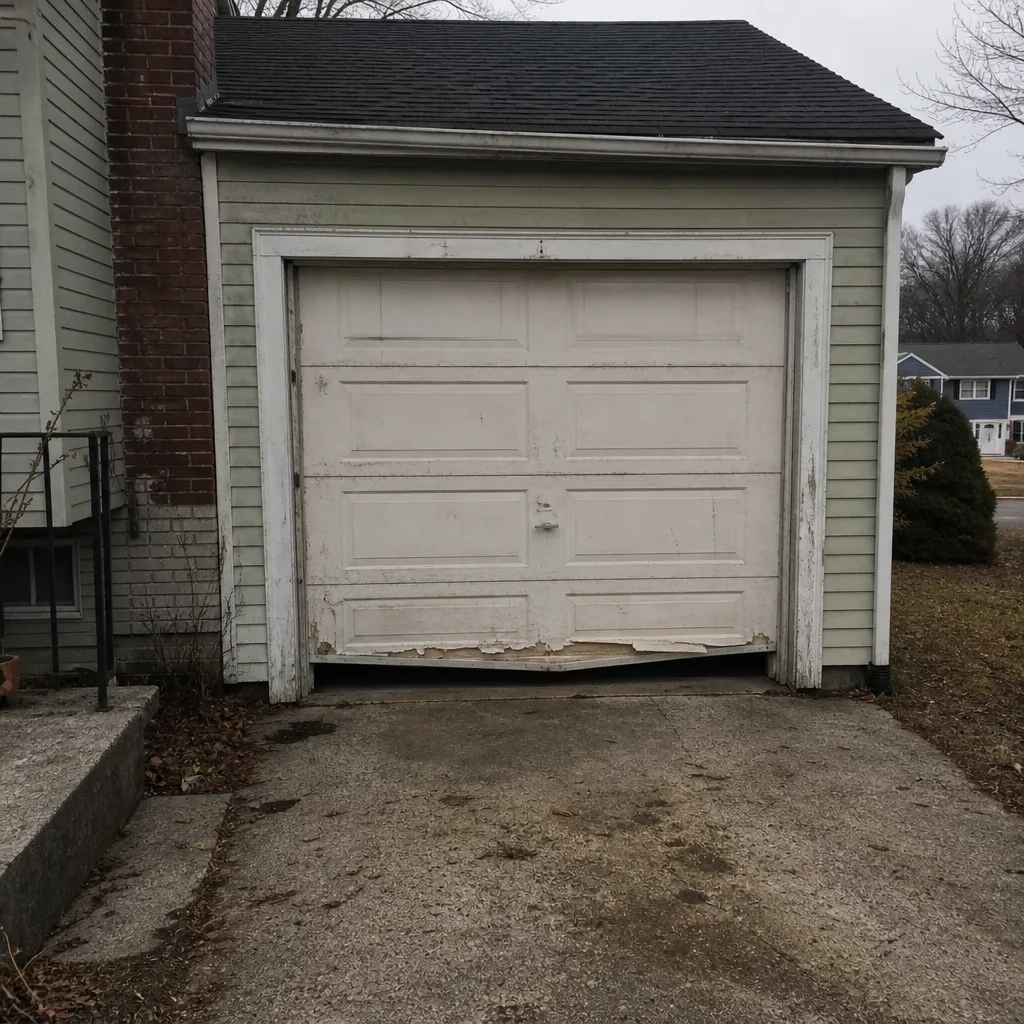 Before
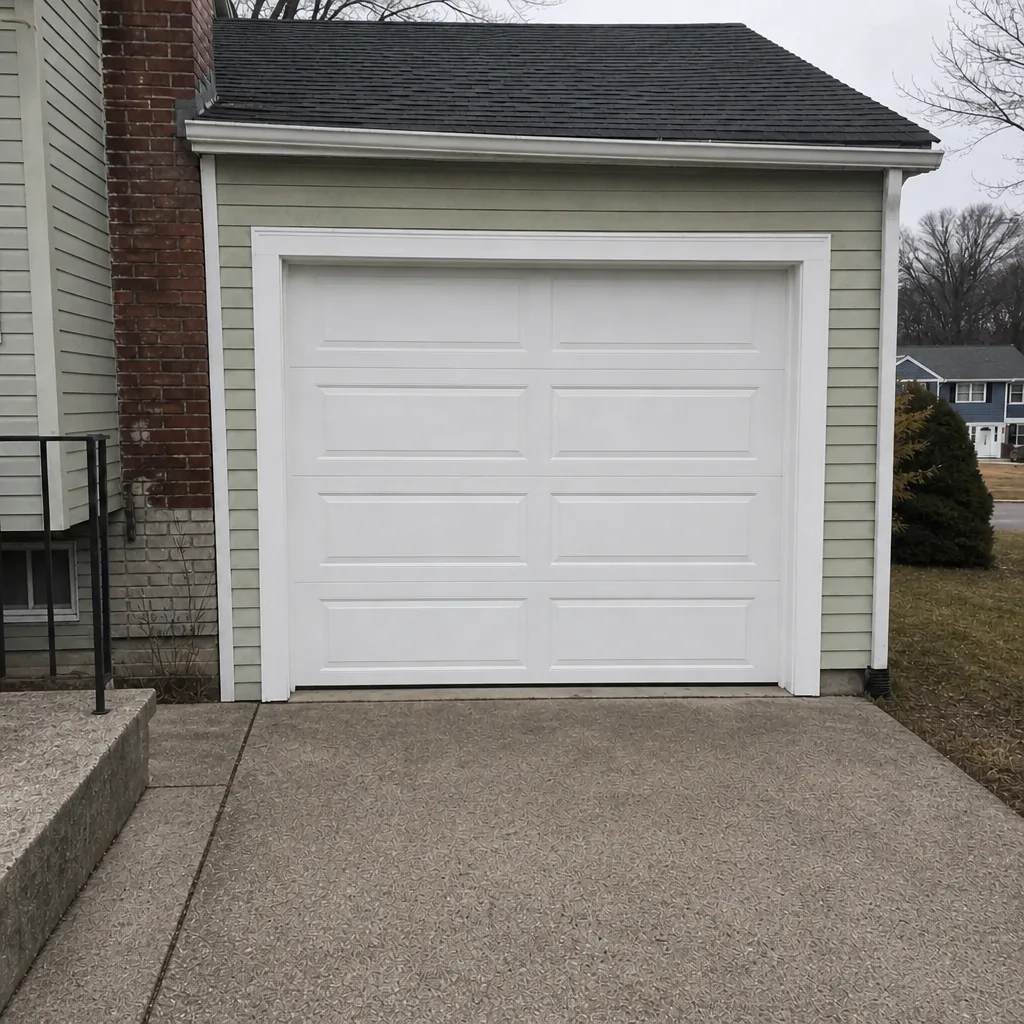 After
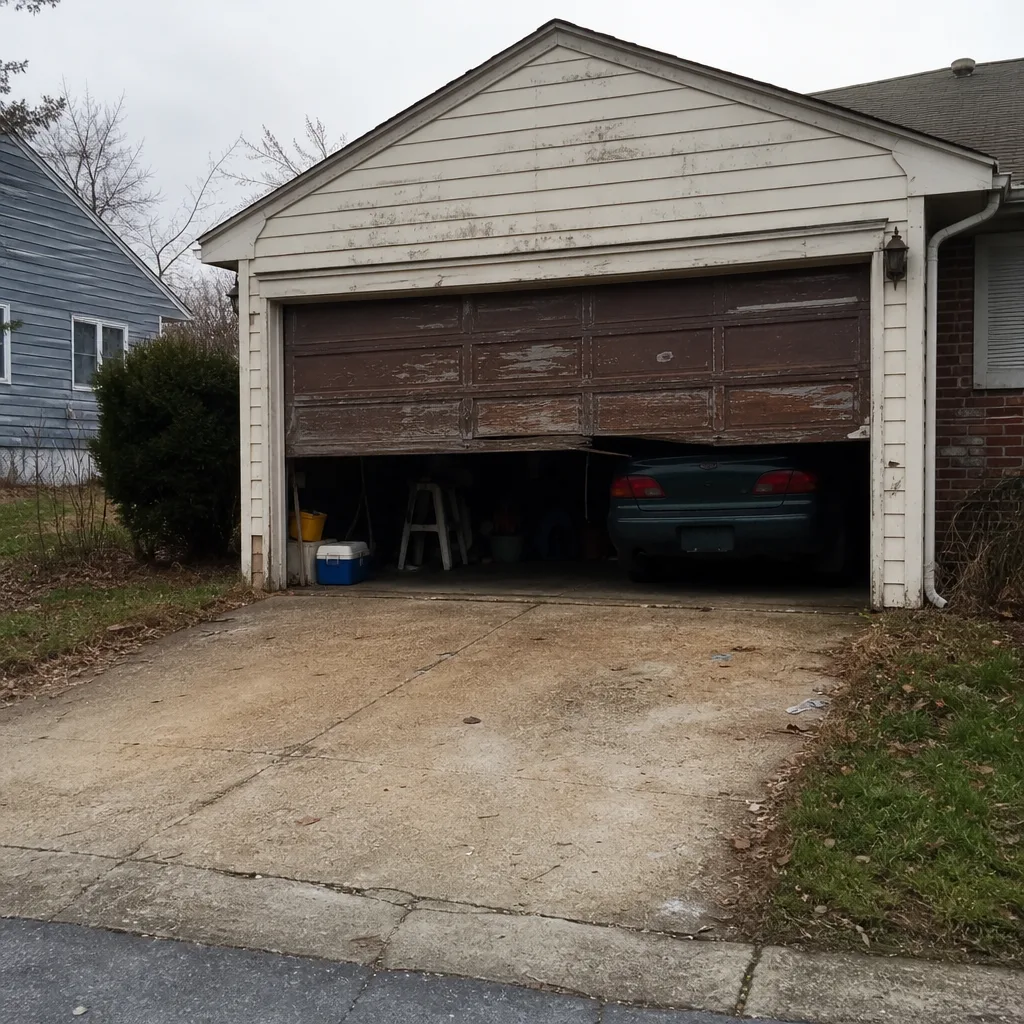 Before
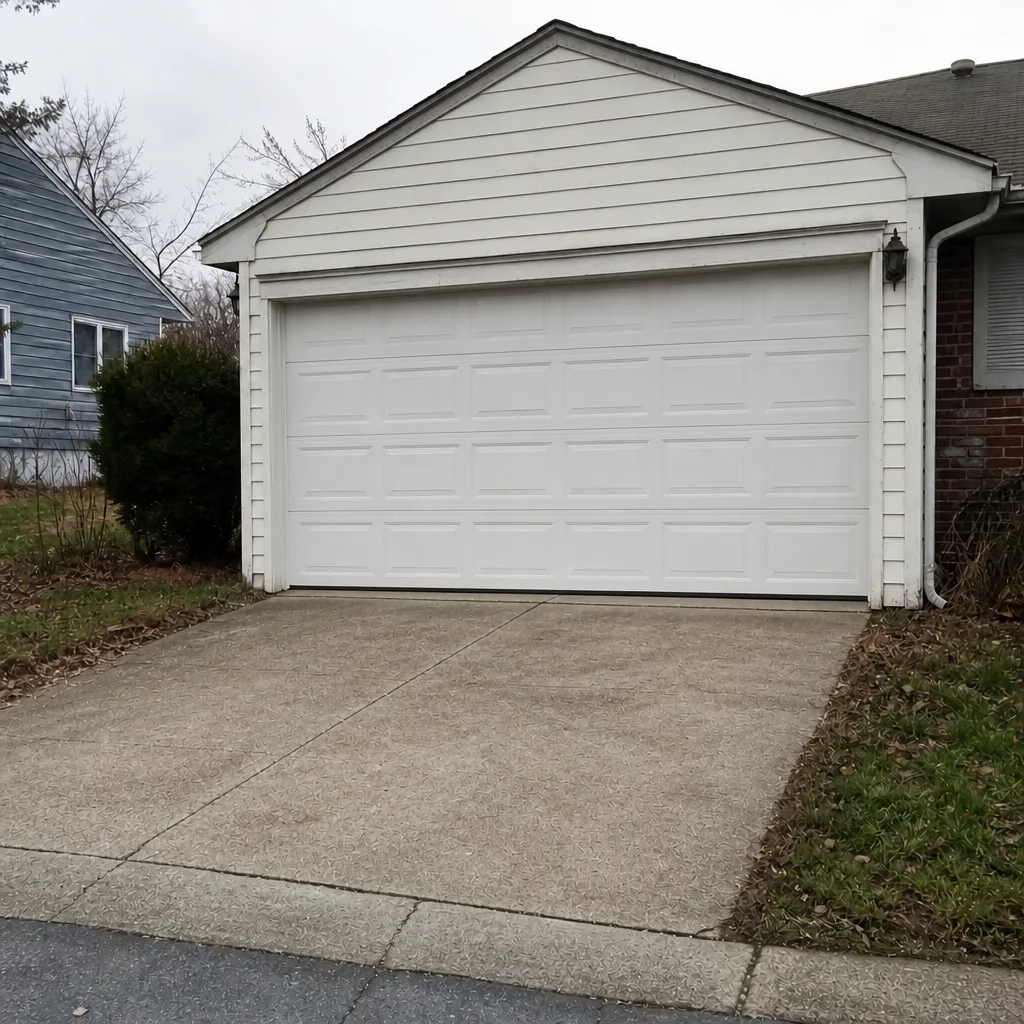 After
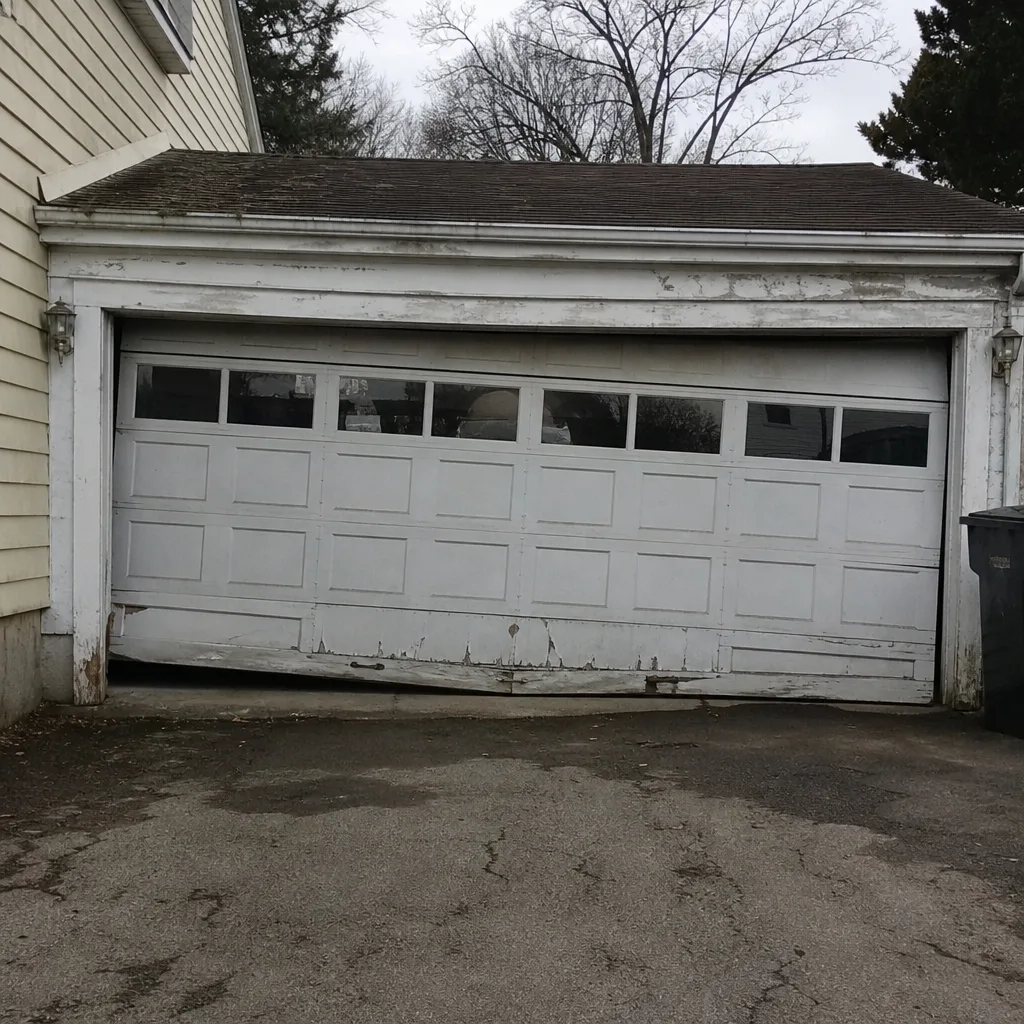 Before
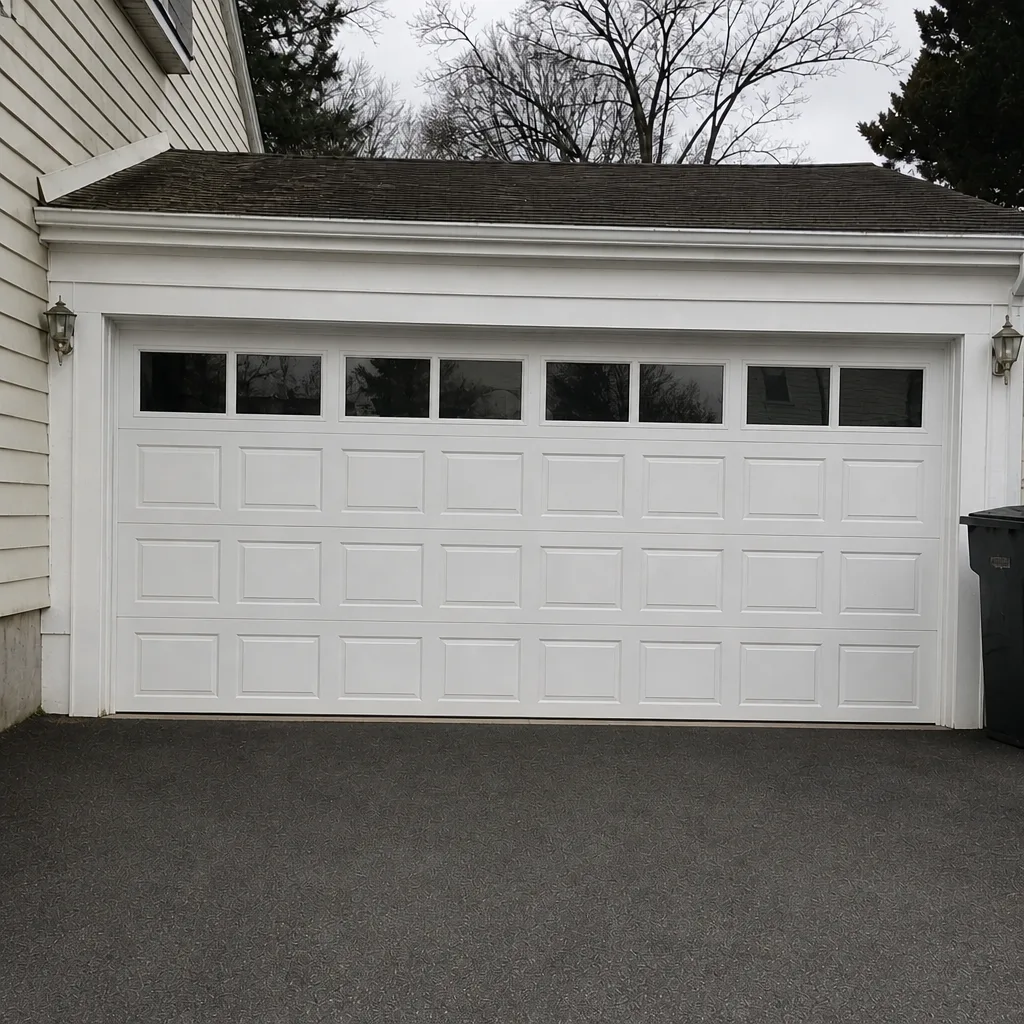 After
When to Call a Professional
Call a professional for anything involving springs, cables, or structural track repair. Those components store energy and hold the door’s weight, and they aren’t safe to work on without training and proper tools. Also call if the door is crooked, if you heard a loud bang from the garage, or if the door won’t stay up when you manually lift it. Any of those signals means the counterbalance system has failed. For opener problems that the blink code points to internal parts, a technician with the right brand parts will save time. Attleboro Garage Door Repair offers free estimates in Attleboro. Call (855) 268-3636. We answer 24/7. Fast dispatch from 7am to 7pm, Sunday through Friday.
Frequently Asked Questions
Count the number of LED flashes in each burst and note the pause between bursts, then match that pattern to your opener brand’s code chart. LiftMaster, Chamberlain, and Genie each publish their own code tables in the manual. If the manual is lost, a technician can identify the pattern on-site. Call (855) 268-3636 for an exact diagnosis. Estimates are free.
No. Torsion springs store enough energy to cause serious injury if handled without the right tools and training. Even a spring that looks intact is under tension. Leave spring work to a trained technician. Our spring repair team handles this as a specialty. Call (855) 268-3636. We answer 24/7. Fast dispatch from 7am to 7pm, Sunday through Friday.
Cold weather in Attleboro causes sensor lenses to fog or frost, and frost heave can shift the sensor brackets just enough to break alignment. The door reads a phantom obstruction and reverses. Clean the lenses and check that both sensors face each other squarely. If the problem persists, call (855) 268-3636 to have a technician test the sensor wiring and alignment.
Have your opener make and model, door make, blink code pattern, and a description of the symptom ready. Approximate door width helps too. This lets the technician bring the right parts on the first trip. For a free estimate, call (855) 268-3636. We answer 24/7. Fast dispatch from 7am to 7pm, Sunday through Friday.
Most repair calls can be handled same day when the problem is accurately described. A broken spring, stuck door, or sensor fault are all routine repairs. We answer 24/7. Fast dispatch from 7am to 7pm, Sunday through Friday. Call (855) 268-3636 to book a same-day visit.
No. The price is always quoted and agreed before any work starts. The written estimate sets the final price, so there’s no surprise on the invoice. Call (855) 268-3636 for a free estimate. We answer 24/7. Fast dispatch from 7am to 7pm, Sunday through Friday.
The Bottom Line
Troubleshooting a garage door starts with the clues the door is already giving you: the opener’s blink code, the visual condition of springs and cables, and the alignment of the safety sensors. Read those clues in order, know which fixes are safe to attempt yourself, and describe what you find accurately when you call. That sequence saves time and keeps the job to one visit. For the problems that need trained hands, particularly springs and cables, don’t take chances. Attleboro Garage Door Repair handles the full scope from Attleboro Garage Door Repair and can get your door back on track, whether it’s a broken spring, a stuck door, or a full door replacement. Call (855) 268-3636 for a free estimate. We answer 24/7. Fast dispatch from 7am to 7pm, Sunday through Friday.
Written by the team at Attleboro Garage Door Repair.