
Last updated November 23, 2026
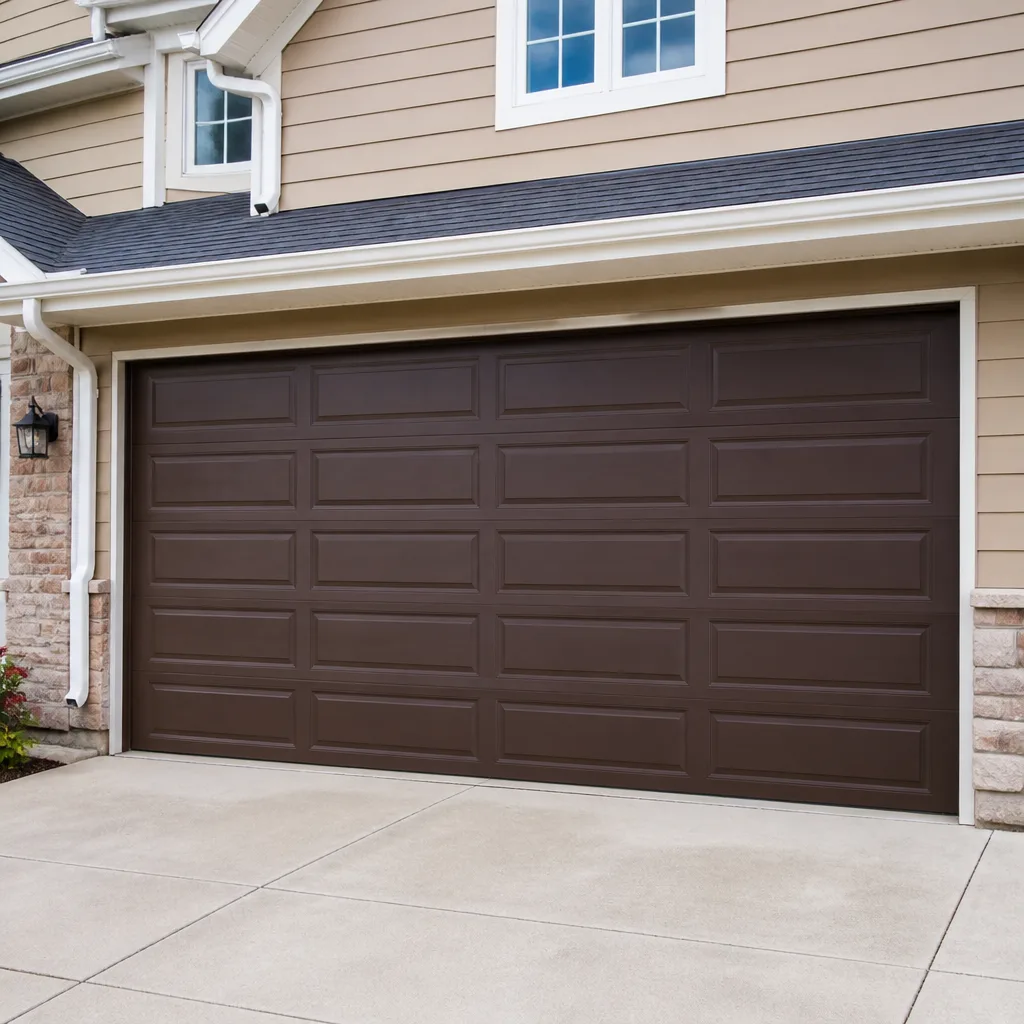 Raised-panel steel
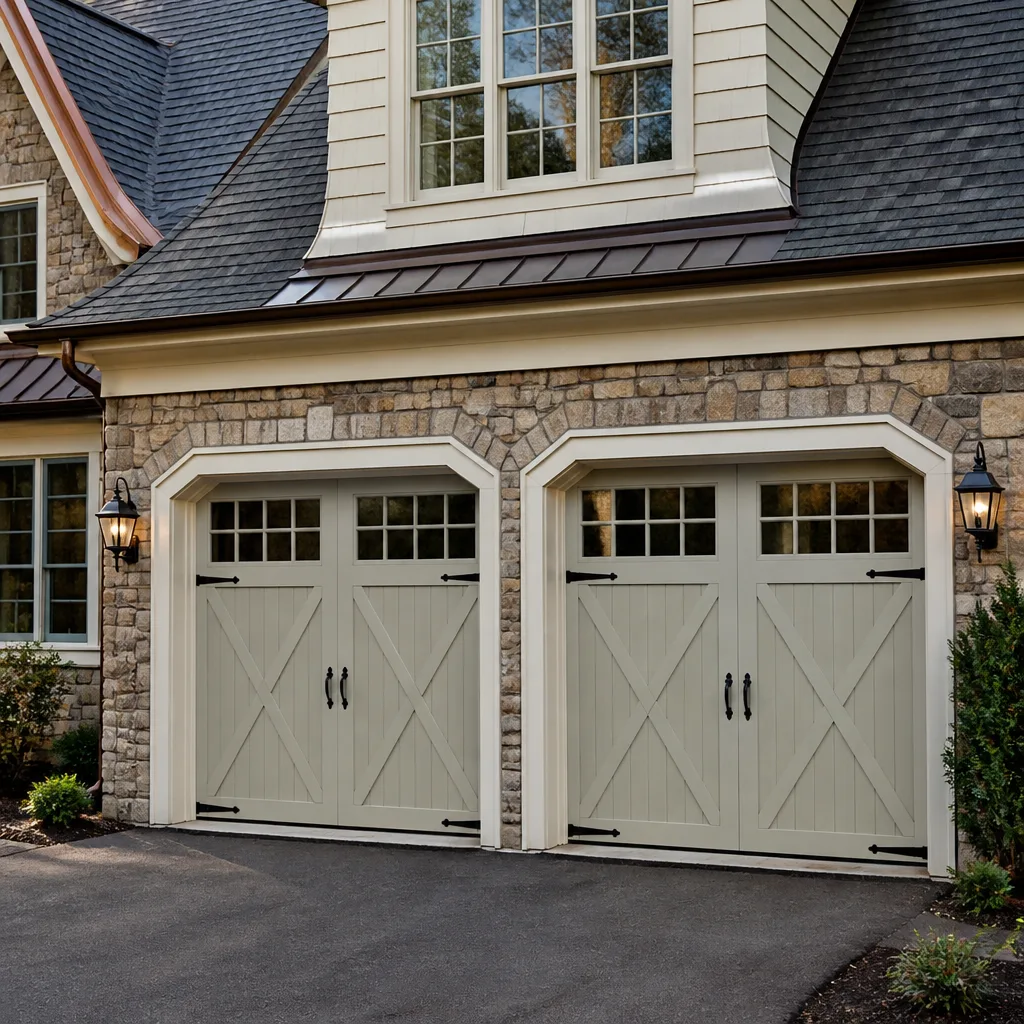 Carriage house
 Modern flush
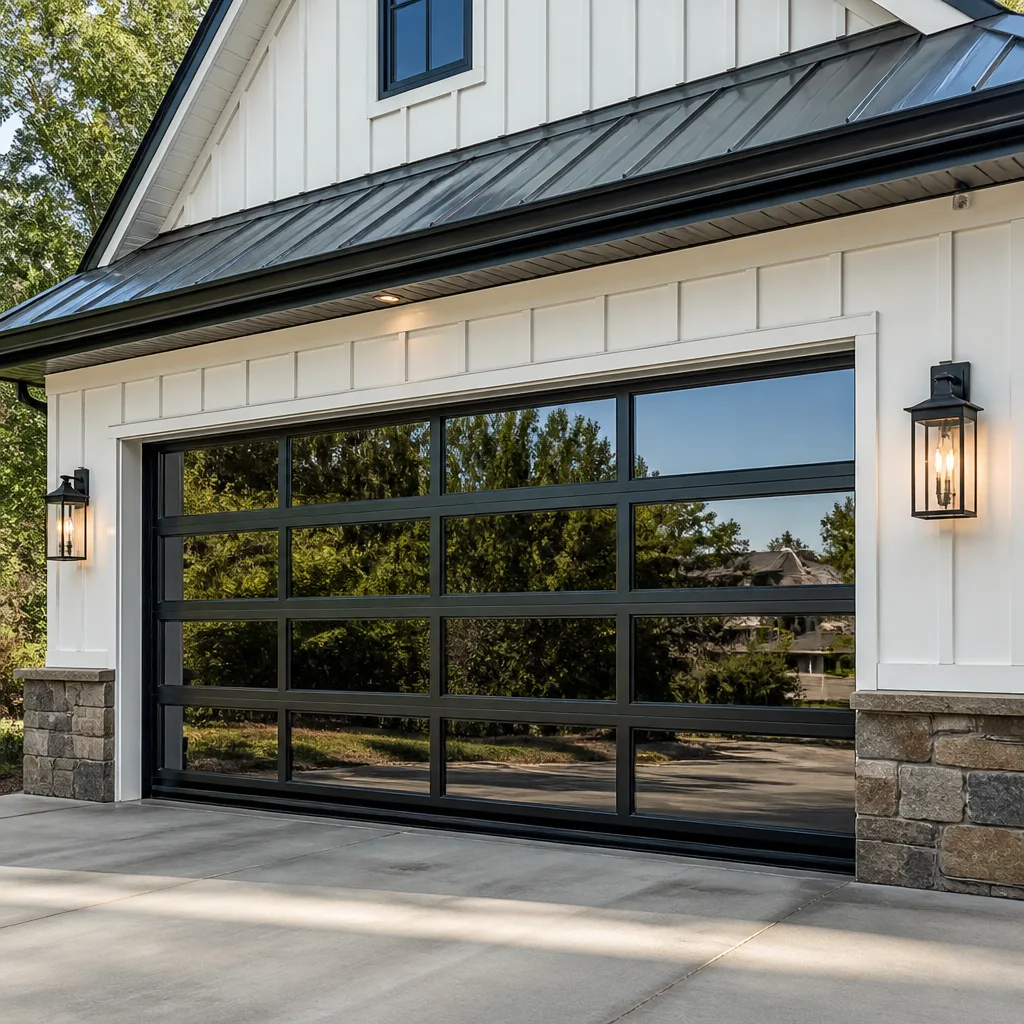 Full-view glass
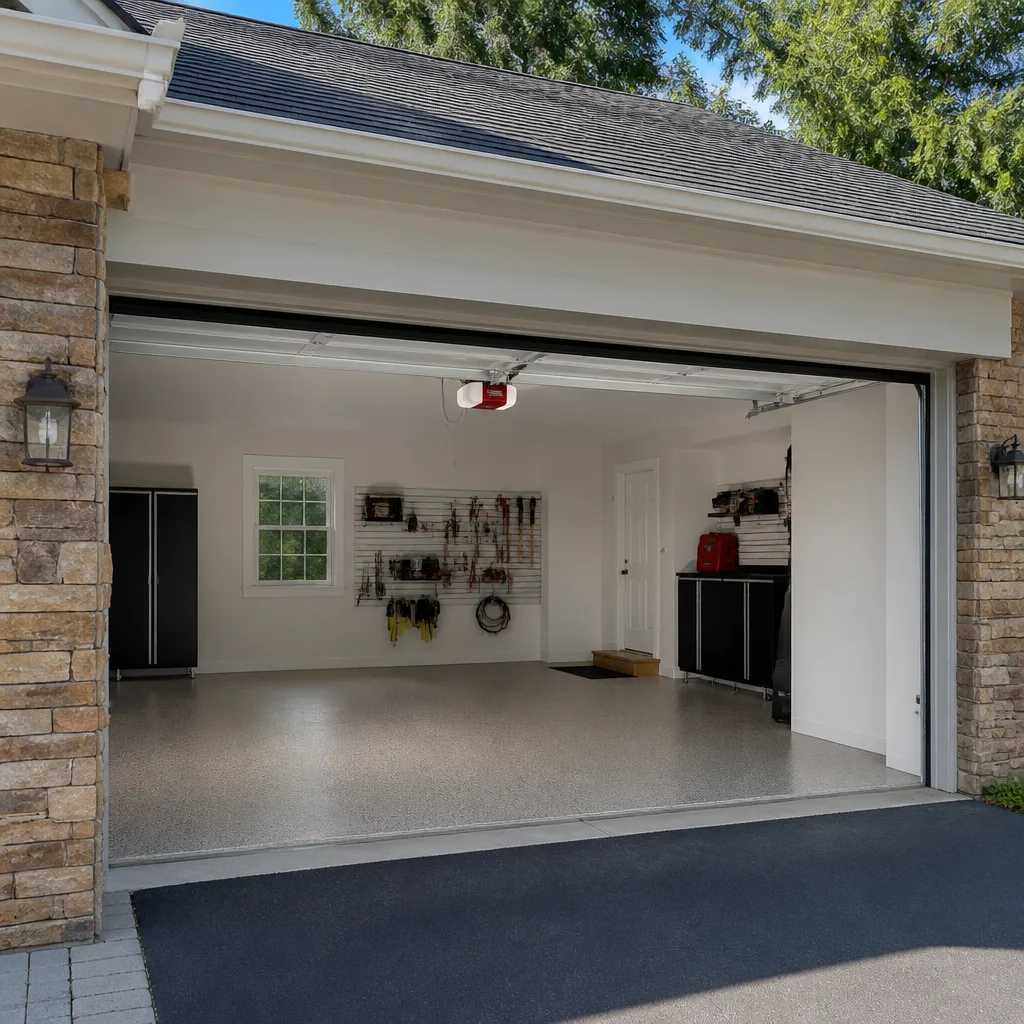 LiftMaster openers
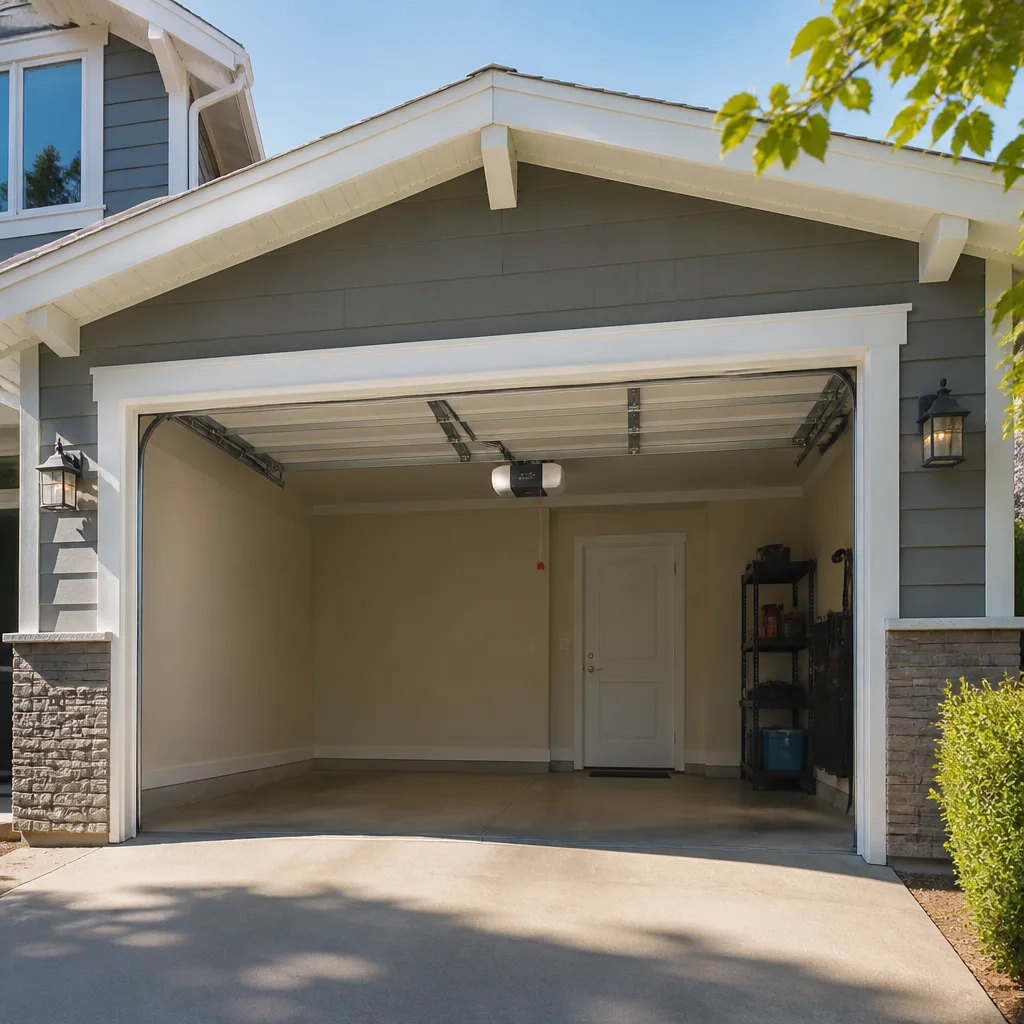 Chamberlain openers
Full 25-point door and opener safety check with every visit - springs, cables, rollers, tracks, and your LiftMaster or Chamberlain opener included
You get a price before we start. It does not change when the pro arrives.
Get your free estimateGarage Door Repair Maintenance Checklist for Attleboro Homeowners
Most garage door failures don’t come out of nowhere. In our experience, a door that snaps a spring or stalls halfway up on a cold morning has usually been broadcasting warnings for months: a rattle that showed up one week, a slight lag on the way up, a roller that started scraping. By the time it stops working, the signs were there during routine use, and someone just didn’t know what they were hearing. That’s the gap this guide closes. A checklist that only tells you what to look at is half a tool. This one tells you what a problem feels like, sounds like, and measures like, so you can tell a ten-minute adjustment from a call-the-technician situation. Here’s how to keep an Attleboro door running quietly and safely.
Quick Answer
A solid garage door maintenance checklist for Attleboro homes covers four things every season: inspecting and lubricating the moving metal parts, testing the door’s balance by hand, checking the opener’s safety reverse and force settings, and watching the springs, cables, and rollers for wear before they fail. Most of this takes ten minutes a month. The one job you should never touch yourself is anything involving the springs or cables, which store dangerous tension and belong to a trained technician. Do these checks on schedule and you’ll catch the small stuff long before it becomes an emergency call.
Styles & brands we work with
- Raised-panel steel
- Carriage house
- Modern flush
- Full-view glass
- LiftMaster openers
- Chamberlain openers
Table of Contents
- The Tactile and Auditory Checklist: What to Feel and Listen For
- How to Test Your Door’s Balance in Under Two Minutes
- Winter Lubrication for New England Doors: What to Use and What to Avoid
- Seasonal Timing: What Must Happen Before October and What Can Wait
- Opener Checks That Keep the Door Reversing Safely
- Checklist Items That Protect Your Door and Opener Warranty
- The Sounds and Symptoms That Mean Stop and Call
- What a Professional Tune-Up Actually Includes
The Tactile and Auditory Checklist: What to Feel and Listen For
Pictures and inspection lists miss half the story. A garage door is a machine, and the earliest warnings usually come through your hands and ears, not your eyes. Run a door by feel and by sound and you’ll notice small changes before they turn into a snapped part. The trick is doing it the same way each time so you have a baseline to compare against. In an Attleboro winter, when the door is opening and closing more in the dark than in daylight, that consistency matters.
Here’s what a healthy door feels and sounds like, and what a failing one does:
- By hand (disconnected from the opener): A properly balanced door lifts with light, even pressure and stays put wherever you leave it. A door that feels heavy at the bottom, drifts down on its own, or takes real effort to raise is telling you the springs are losing tension or the track is binding.
- By ear at the springs: A well-tensioned torsion spring is mostly silent. A spring that’s losing tension often lets out a light creak or twang during the first foot of travel, or the door starts easing up slower than it used to. A sharp snap is the sound of a spring that has already broken.
- By ear at the rollers and hinges: A smooth door is a soft hum. Grinding, squealing, or a rhythmic thump once per roller pass points to dry bearings, flat-spotted rollers, or a hinge that’s worked loose.
- By feel at the bottom edge: Run your hand (door down and opener off) along the bottom seal. A seal that’s stiff, cracked, or pulling away lets cold air and moisture into the Attleboro garage, and it’s an easy check most people skip.
- By ear at the opener: A motor that whines louder than it used to, or clicks and stops, is a warning about the drive gear, the force setting, or a door that’s gotten harder to move.
If any single item on this list sounds familiar, don’t wait for the door to fail. Small symptoms are cheap to fix. A binding track that wears out a roller can also wear your opener motor, and that’s a bigger bill than the ten-minute adjustment would have been. Our team handles garage door repair every week and can tell you the difference in one visit.
How to Test Your Door’s Balance in Under Two Minutes
A balance test is the single most useful safety check a homeowner can do, and it takes less than two minutes. It tells you whether the springs are doing their job or whether the opener motor is quietly carrying weight it was never meant to. An unbalanced door puts strain on the entire system and raises the odds of a sudden failure. Here’s how to do it safely.
- Close the door fully and make sure nothing and no one is in the door’s path.
- Pull the emergency release cord to disconnect the door from the opener. On most openers this is the red handle hanging from the rail.
- Lift the door by hand to about halfway and stop. Don’t force it.
- Let go and watch. A balanced door stays roughly where you left it, maybe drifting an inch or two.
- Reconnect the door by moving it back until the carriage re-engages, then run it once with the opener to confirm normal travel.
What the result means for safety: a door that sags or slides down when you let go is unbalanced. If it drops more than a small amount on its own, the springs are no longer holding their share of the weight. That’s the condition that leads to a snapped spring or a burned-out opener. A door that’s hard to lift and won’t stay up is telling you the same thing from the other direction. Don’t try to re-tension the springs yourself. That’s a trained-hands job because of the stored energy involved.
If your balance test fails, the fix is usually a spring adjustment or replacement. Our team specializes in garage door spring repair, and we’ll test and measure before recommending anything.
Winter Lubrication for New England Doors: What to Use and What to Avoid
Cold weather is where a neglected door turns noisy and stiff. Attleboro winters push the metal parts through real temperature swings, and the wrong lubricant makes things worse rather than better. Getting the product and the interval right is most of the job. Here’s what we recommend for a door that has to work reliably through a Massachusetts winter.
- What to use: A silicone-based or lithium-based spray lubricant on the hinges, rollers, and bearings. Silicone is the safer pick for cold weather because it stays flexible when temperatures drop rather than thickening up.
- Where to apply it: The pivot points on each hinge, the roller stems and bearings, and the torsion bar bearings at the top of the door. A light coat is enough. Wipe off the excess so it doesn’t collect grit.
- How often: Once a month through the cold months is a reasonable rhythm, and every few months the rest of the year. If the door lives outside and takes a lot of weather, tighten that schedule.
- What to avoid: Heavy grease and general-purpose oils that get thick in the cold. They hang onto dirt and make the door sluggish on a freezing morning. Skip the tracks entirely for lubrication, since grease in the tracks attracts grit that wears the rollers. Instead, wipe the tracks clean with a dry cloth. Also skip anything that promises to “quiet” a door by coating the springs, which should stay dry.
- Cold-weather mornings: If the door groans on the first cold morning, that’s often a sign the lubricant has stiffened. A quick re-application on the hinges and rollers usually clears it. If the groan comes with a slow, labored lift, that’s a balance problem, not a lubrication problem.
Lubrication won’t fix a worn roller or a spring that’s losing tension, but it’s the difference between a door that drags through February and one that runs like it did in September. Our technicians have up to 9 years of experience and know exactly which moving parts on your door model need attention.
Seasonal Timing: What Must Happen Before October and What Can Wait
Attleboro’s seasons don’t treat all maintenance equally. Some tasks are genuinely time-sensitive because cold weather turns a small issue into a big one. Others can slide until spring without consequence. Sorting them by season is how you avoid the October scramble when every garage door in the neighborhood decides to act up at once.
Do these before October:
- Full lubrication pass on hinges, rollers, and bearings so the door is ready for the cold.
- Balance test and spring inspection. A spring that’s weakening in September is more likely to snap once the first hard freeze hits.
- Weather seal and bottom seal check. Replace any cracked or stiff seal before the snow flies so cold air and meltwater stay out of the garage.
- Opener safety reverse test and force setting check. A door that strains in the cold is harder on the motor, and the safety reverse should be verified before you rely on it all winter.
- Track and hardware tighten-up. Loose bolts rattle more in cold weather and can work looser.
Can wait until spring: cosmetic checks like paint and finish on a steel door, a full roller replacement if the rollers are only slightly worn, and any interior cleaning. Those don’t affect safety or function through the winter, so there’s no reason to rush them into a cold-weather appointment.
If you’re not sure which category a symptom falls into, a quick call sorts it out. Getting the pre-winter work done early in Attleboro means your door isn’t the one that quits on the coldest night of the year.
Opener Checks That Keep the Door Reversing Safely
The opener is the part of the system most homeowners trust without testing. Two simple checks a few times a year keep it working the way it’s supposed to. Both are about safety, and both catch problems early. The brand of your opener matters here, because force and travel-limit settings vary by model, which is why we work on the major names: LiftMaster, Chamberlain, Genie, and Craftsman among them.
- The safety reverse test (photo-eye test): With the door open, place a solid object like a block of wood in the door’s path near the floor and close the door. Your door should reverse on contact. Most openers also have a pair of safety sensors near the floor; if the door refuses to close at all, make sure the sensors are aligned and the lenses are clean. Cold, fog, or a spider web across a sensor can cause a door that won’t shut.
- The force test: Lay a roll of paper towels or a small board flat in the center of the doorway and close the door. It should reverse when it meets the obstacle, not strain against it. If the door pushes hard before backing off, the force setting is too high and needs adjusting.
- Travel limit check: Watch the door all the way down. If it stops short of the floor or slams the last few inches, the travel limits have drifted and need to be reset.
These settings live differently on every model, and guessing at them is how people end up with a door that won’t close at all. If your opener won’t hold its settings or the motor is straining, that’s a sign it needs garage door opener repair rather than a tweak. We know the right settings for the equipment on your door, so we’re not flipping through a manual at your curb.
Checklist Items That Protect Your Door and Opener Warranty
Manufacturer warranties on doors and openers almost always depend on the door being kept in reasonable working order and the moving parts being maintained. Skip the maintenance and you may find yourself arguing about coverage after something fails. The specific terms are set by the manufacturer, so check your paperwork, but the general pattern is consistent across the brands sold in the Attleboro market, including Clopay, Amarr, and Wayne Dalton doors.
These are the checklist items most likely to matter when a warranty claim comes up:
- Regular lubrication of hinges, rollers, and bearings. A door left dry and grinding shows visible neglect, and that’s the first thing a warranty inspector looks for.
- Keeping the tracks clean and clear. Dirt, grease buildup, or bent tracks from a bumped door are treated as damage, not defect.
- Not over-tightening or altering the opener’s force and travel limits to force a misbehaving door to work. That’s a common cause of voided opener coverage.
- Addressing a binding door or failing spring early rather than running the opener against the added strain until the motor or control board gives out.
- Documenting service. Keeping a simple note of when the door was lubricated, tested, and serviced helps if a defect claim comes up.
Most door manufacturers in this area offer a warranty structure that covers parts and finish on a sliding scale, with the mechanical parts covered for a set period and the finish for longer. The exact terms differ by product line, so the useful move is to keep your original paperwork and the maintenance routine that protects it. A professional tune-up is the most reliable way to keep that coverage intact, since it documents the work.
The Sounds and Symptoms That Mean Stop and Call
Some warning signs are a note in your calendar. Others mean stop using the door. Knowing which is which is the whole point of this checklist. If you hear or see any of the following, leave the door where it is and call a technician.
- A loud snap followed by the door not lifting. That’s almost always a broken spring. Don’t run the opener. It will strain the motor and can lead to a dropped door.
- The door comes down faster than it should or won’t stay up when you try to lift it. The spring or cable system isn’t doing its job, and a door in free fall is a serious hazard.
- A visible cable fray, kink, or a cable that’s come off its drum. Cables are under heavy tension. Never touch them.
- The door is crooked, binding on one side, or jumps the track. Something in the track or hardware has failed, and forcing it makes it worse.
- The opener runs but the door doesn’t move, or the door moves a foot and stops. That could be a stripped drive gear or a broken spring, and either way it needs a diagnosis.
When a door quits on an Attleboro homeowner, we can be there. We answer 24/7. Fast dispatch from 7am to 7pm, Sunday through Friday. A call outside those dispatch hours is booked into the next opening. When we do arrive, the price is quoted and agreed before any work starts, so there are no surprises. If you’d rather not risk the opener while you wait, that’s the right instinct.
What a Professional Tune-Up Actually Includes
A good tune-up is not a wipe-down and a wave. It’s a systematic check of every moving and safety-critical part on the door, done in one visit. Here’s what a professional service should cover when we come out to a home in Attleboro.
- Full visual and hands-on inspection of springs, cables, rollers, hinges, tracks, and the door panels.
- Balance test and, if needed, spring adjustment or replacement. We measure the door’s weight and travel before touching anything.
- Lubrication of all moving metal parts with a cold-weather-appropriate product.
- Track alignment and hardware tightening, plus a check on the bottom seal and weatherstripping.
- Opener safety reverse and force test, with the settings corrected for your specific unit and brand.
- A written report of what we found and what needs attention now versus what can wait.
One call covers diagnosis, parts, and the work itself, so you’re not chasing down a second vendor for the opener. Our technicians have up to 9 years of experience working with the equipment on your door, from the spring to the opener motor. Whether it’s routine maintenance or a door that’s already failed, we’re the single source for the whole system. For a new door, we’ll measure and quote first before any work is scheduled, so the written price sets the final cost. Start with a look at Attleboro Garage Door Repair and it’ll point you to the right service.
Common Mistakes to Avoid
- Lubricating the tracks. It feels like it should quiet the door, but grease in the tracks collects grit that wears rollers faster. Clean them dry instead.
- Ignoring a door that’s gotten louder. Noise is the cheapest warning to act on. A squealing roller left alone can worsen into a worn track or a strained opener, which is a bigger bill.
- Tightening the opener force setting to force a binding door to move. All that does is hide the real problem and put the motor at risk.
- Assuming winter is the only hard season. Attleboro’s warm, humid stretches let moisture into the garage too, which is why a spring and fall check beats a once-a-year one.
- Using the emergency release as a permanent disconnection. Leaving the door unhooked so the opener “doesn’t have to work as hard” actually leaves the door unsupported.
- Skipping the pre-October pass. Cold weather doesn’t create problems. It reveals the ones that were already there, and a door that’s fine in June is not necessarily ready for February.
- Touching the springs or cables. These parts hold stored tension that can cause serious injury. That’s not a homeowner task, no matter how many videos make it look simple.
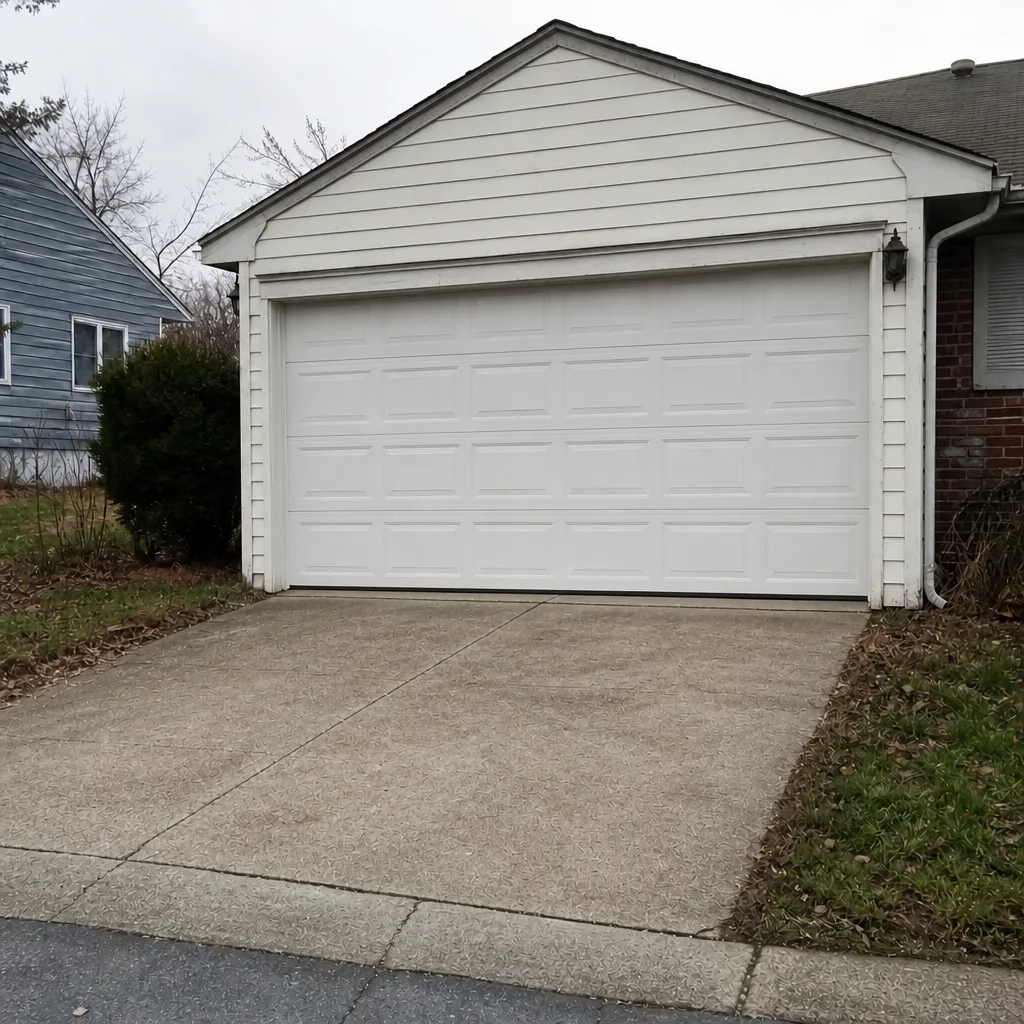
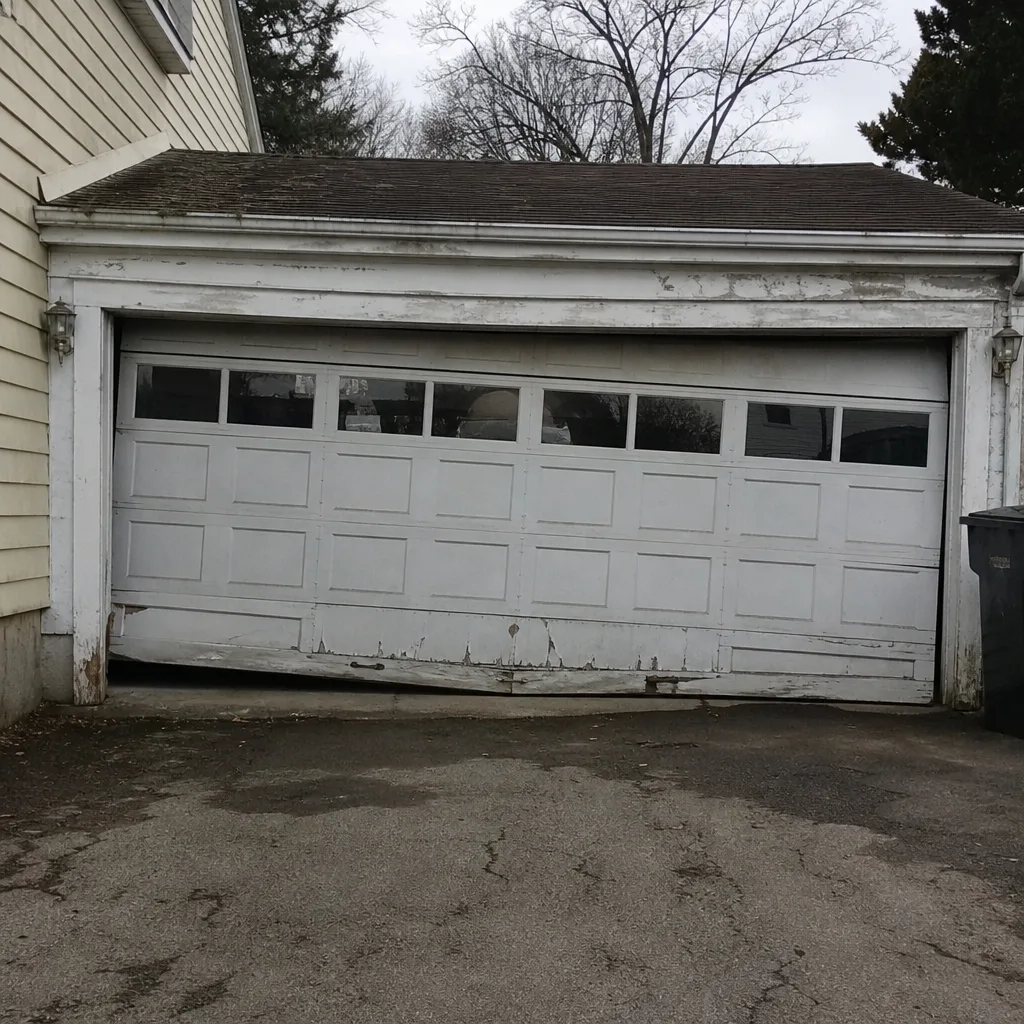
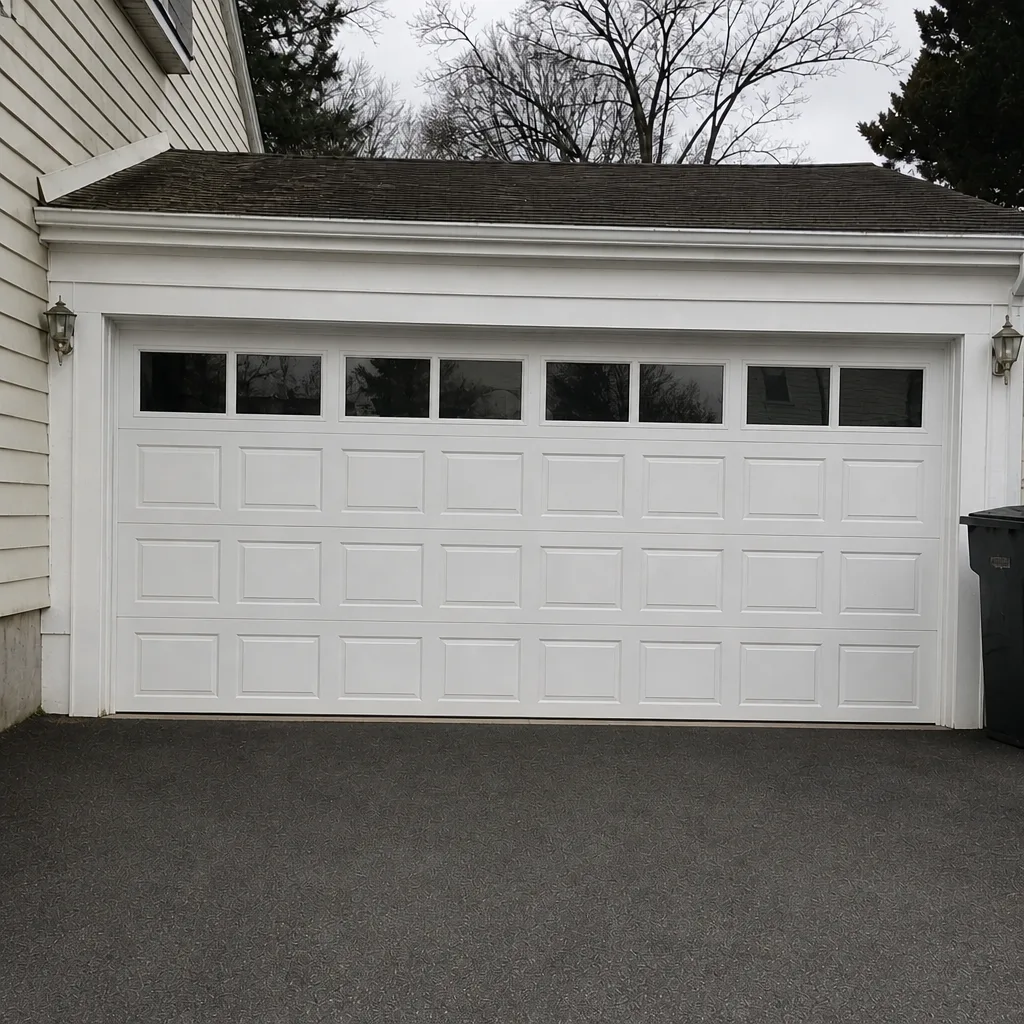
See the difference
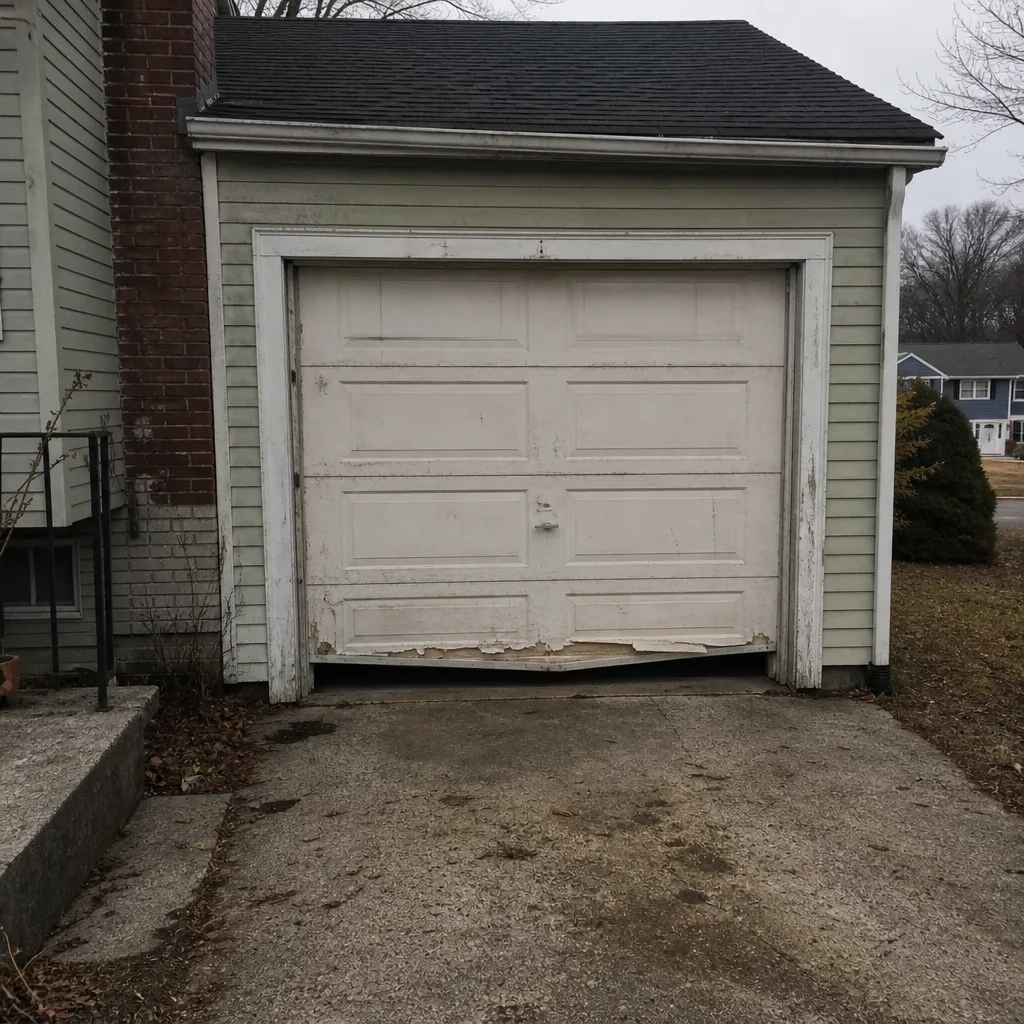 Before
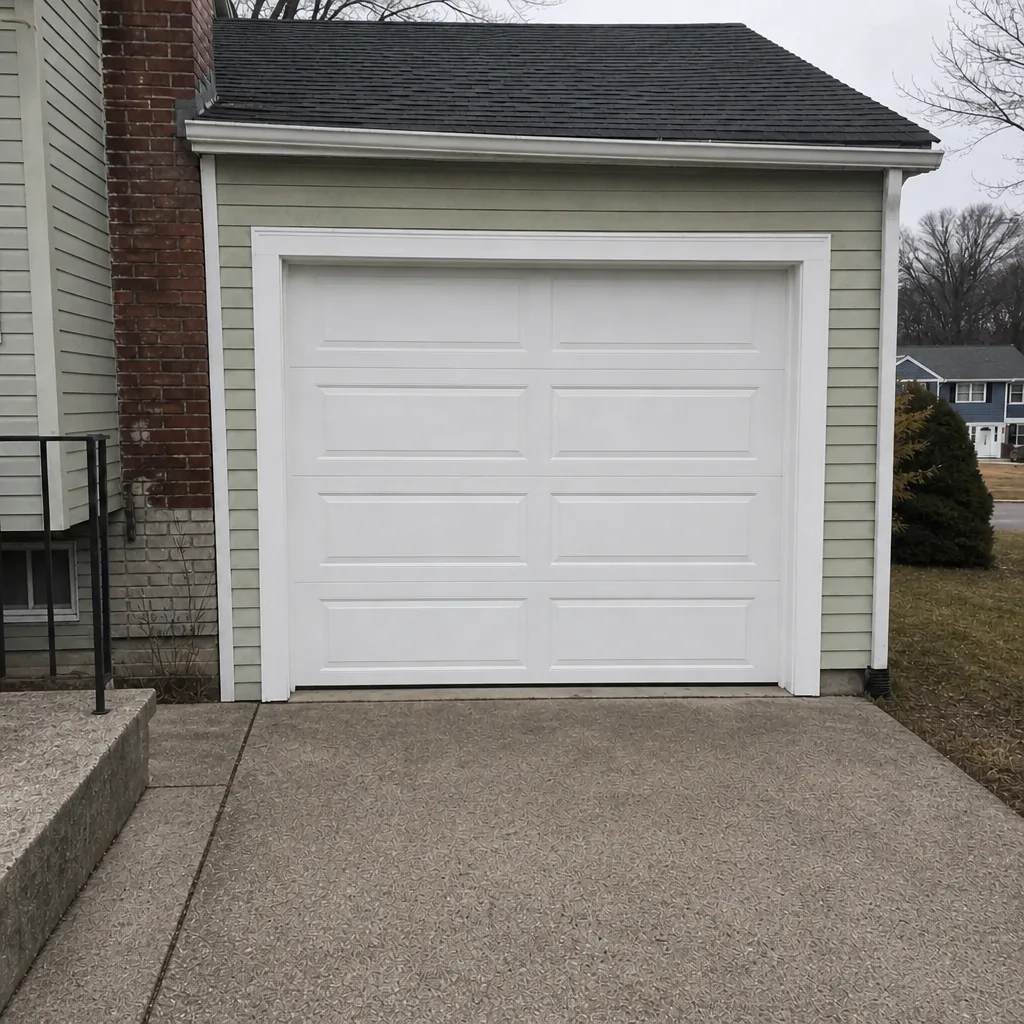 After
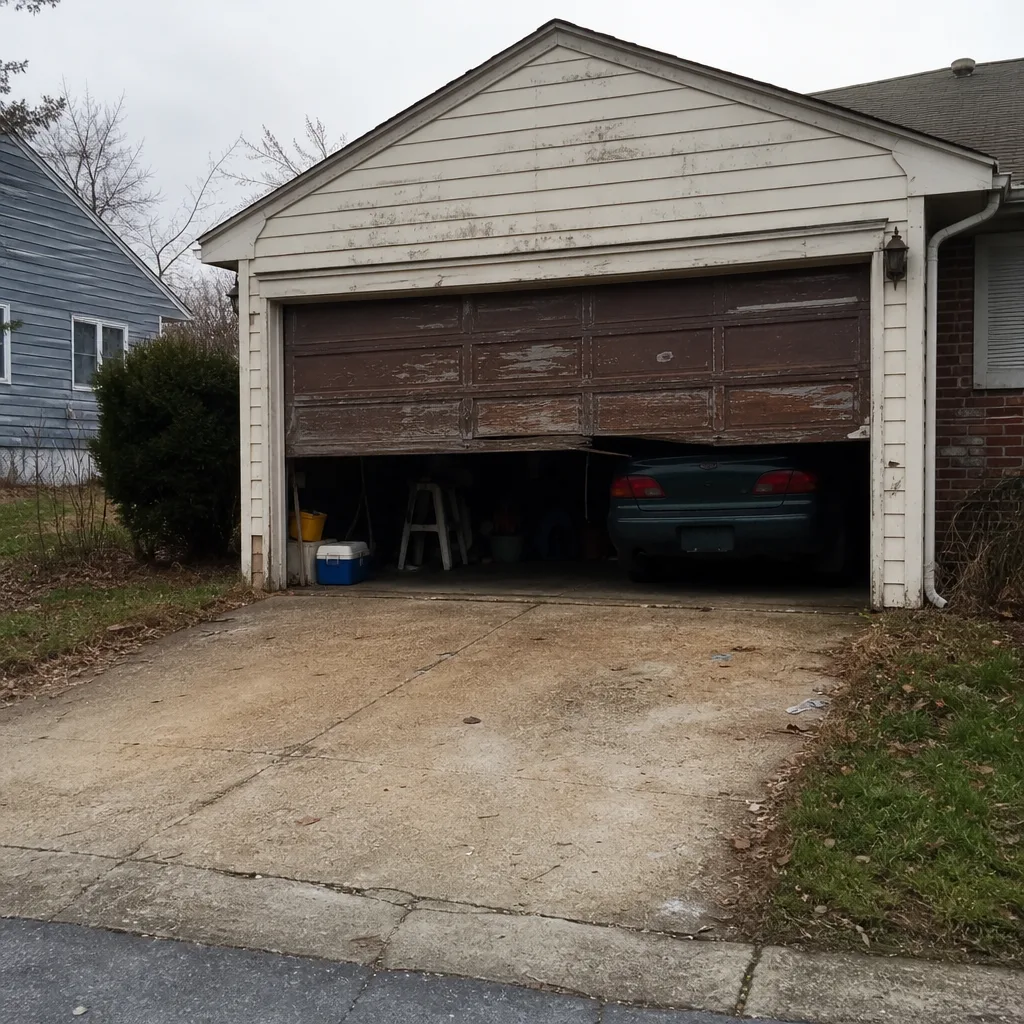 Before
 After
 Before
 After
When to Call a Professional
Call a professional for anything involving the springs, cables, opener settings you can’t stabilize, or a door that’s stuck, crooked, or won’t close securely. Those aren’t DIY jobs, and a door that’s insecure or hanging open is a real safety and security concern. Routine checks like lubrication, the balance test, and the safety reverse test are reasonable to do yourself. Attleboro Garage Door Repair offers free estimates in Attleboro, so a diagnosis costs you nothing. Call (855) 268-3636. We answer 24/7. Fast dispatch from 7am to 7pm, Sunday through Friday.
Frequently Asked Questions
Once a year is the baseline, with a few self-checks in between. We recommend a full professional tune-up annually, a balance test and safety reverse test a few times a year, and lubrication of the moving metal parts monthly through the cold months. The pre-October pass matters most here, since that’s when a weak spring or stiff seal is most likely to let you down. Call (855) 268-3636 for a free estimate.
Yes, and you should. Spray a silicone- or lithium-based lubricant on the hinges, rollers, and torsion bar bearings, and skip the tracks entirely. Keep heavy grease and thick oils off the door in cold weather, and never try to lubricate or re-tension the springs. Call (855) 268-3636 if you’re not sure what parts on your door need it. Estimates are free.
Cold weather thickens whatever lubricant is on the moving parts and stiffens the seals. That’s why a door that hums in summer sounds like it’s grinding in January. A silicone-based lubricant applied monthly through the cold season usually fixes it. If the door also looks slow or labored, that’s a balance problem and worth a professional look. Call (855) 268-3636 for a free estimate.
The most common sign is a loud snap, after which the door won’t lift or lifts only with the opener straining hard. You may also see a visible gap in the spring coil. Never run the opener on a door with a suspected broken spring, and never touch the spring itself. That’s a trained-hands job. Call (855) 268-3636 and we’ll diagnose it. We answer 24/7.
Basic upkeep like lubrication and testing usually won’t void a warranty, but altering opener force or travel settings to force a misbehaving door can. The terms are set by the manufacturer, so check your paperwork. Keeping a simple record of tune-ups helps if a defect claim comes up. Call (855) 268-3636 for a professional tune-up that documents the work. Estimates are free.
A maintenance visit is a scheduled check of the whole system with adjustments and lubrication. A repair call is for something that’s already failed, like a broken spring, a door off its track, or an opener that won’t run. Both can happen in one visit, and the price is set by the written estimate before any work starts. Call (855) 268-3636 to book either. We answer 24/7.
The Bottom Line
The half-dozen warning signs a failing door gives off are easy to miss if you’re only looking. Everything in this guide is meant to be done in minutes and repeated on a rhythm, so small changes get caught before they turn into an emergency. Handle the lube, the balance test, and the safety reverse check yourself. Leave the springs, cables, and stubborn opener settings to a trained technician. Do the pre-October pass, keep notes, and your Attleboro door will run reliably through the seasons. When the checklist turns up something, call (855) 268-3636 and we’ll take a look.
Written by the team at Attleboro Garage Door Repair.