
Last updated November 23, 2026
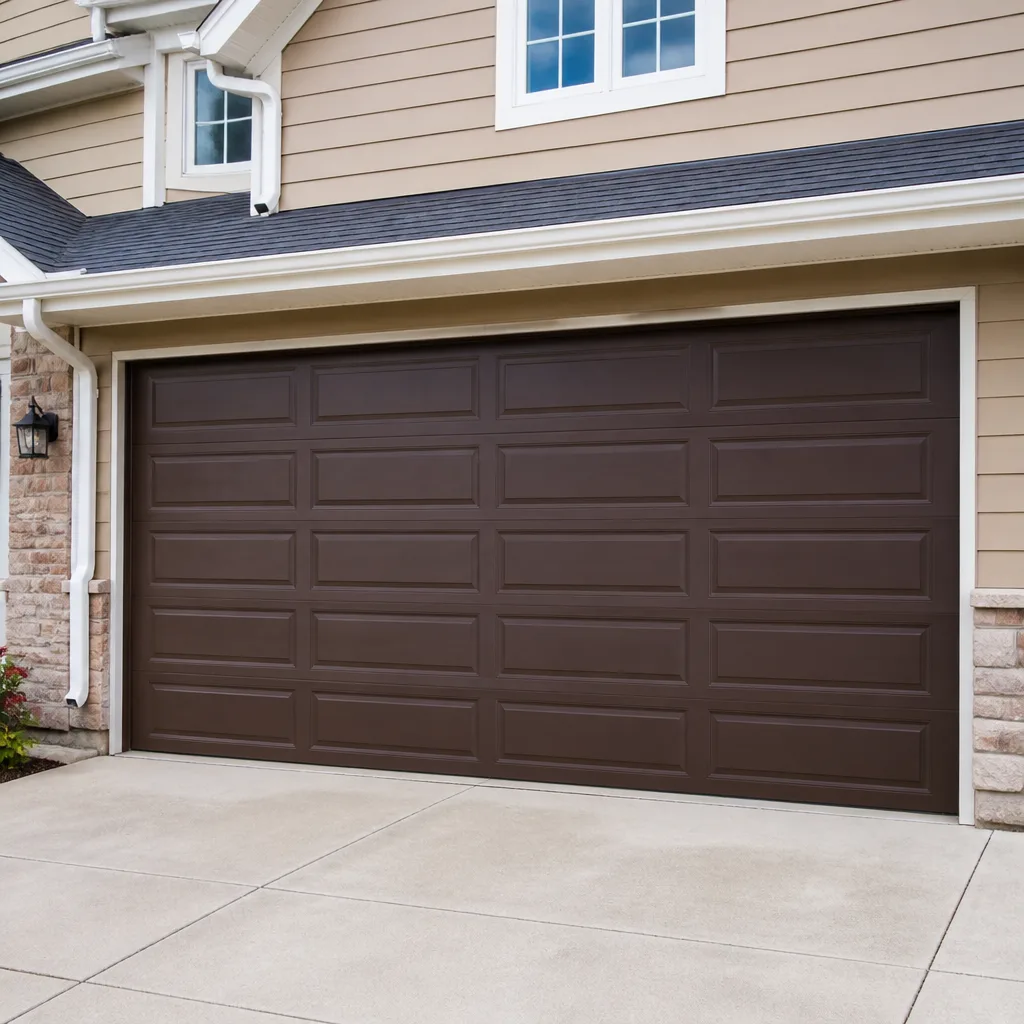 Raised-panel steel
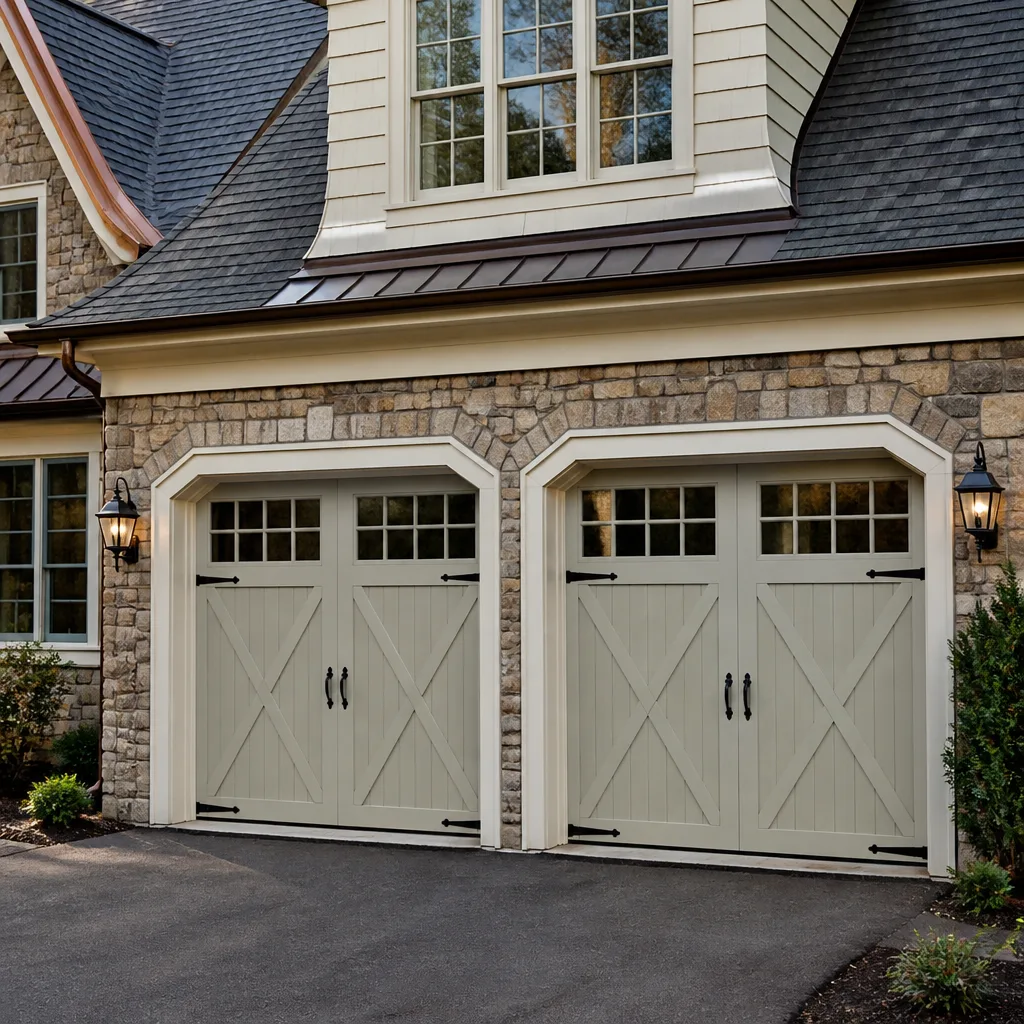 Carriage house
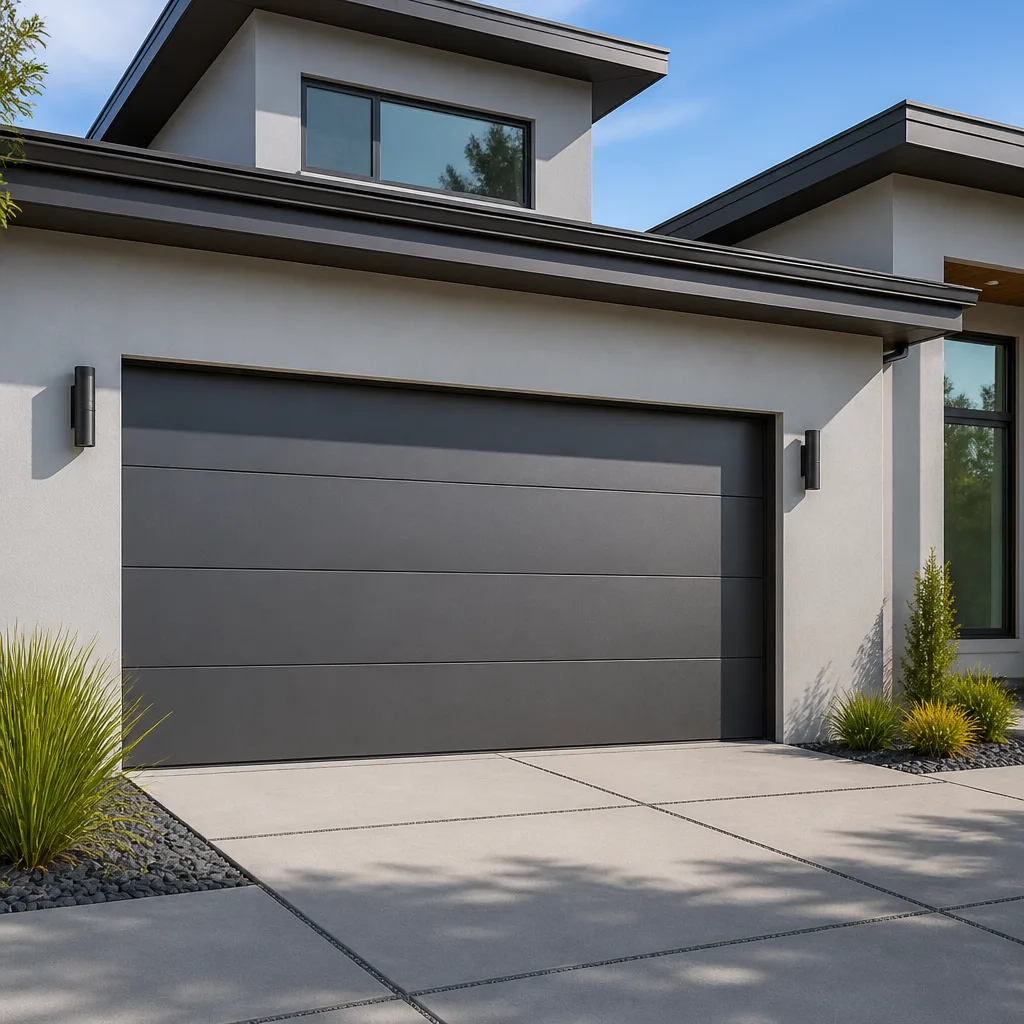 Modern flush
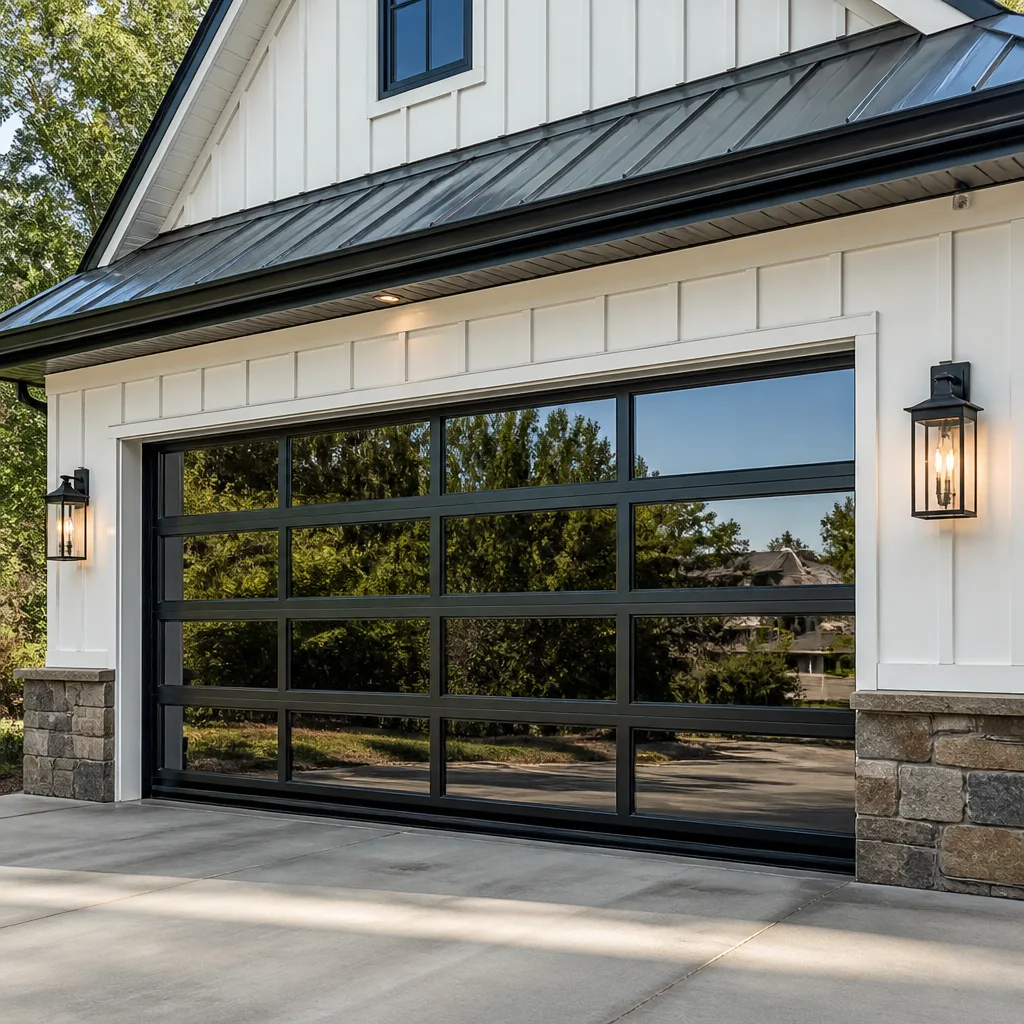 Full-view glass
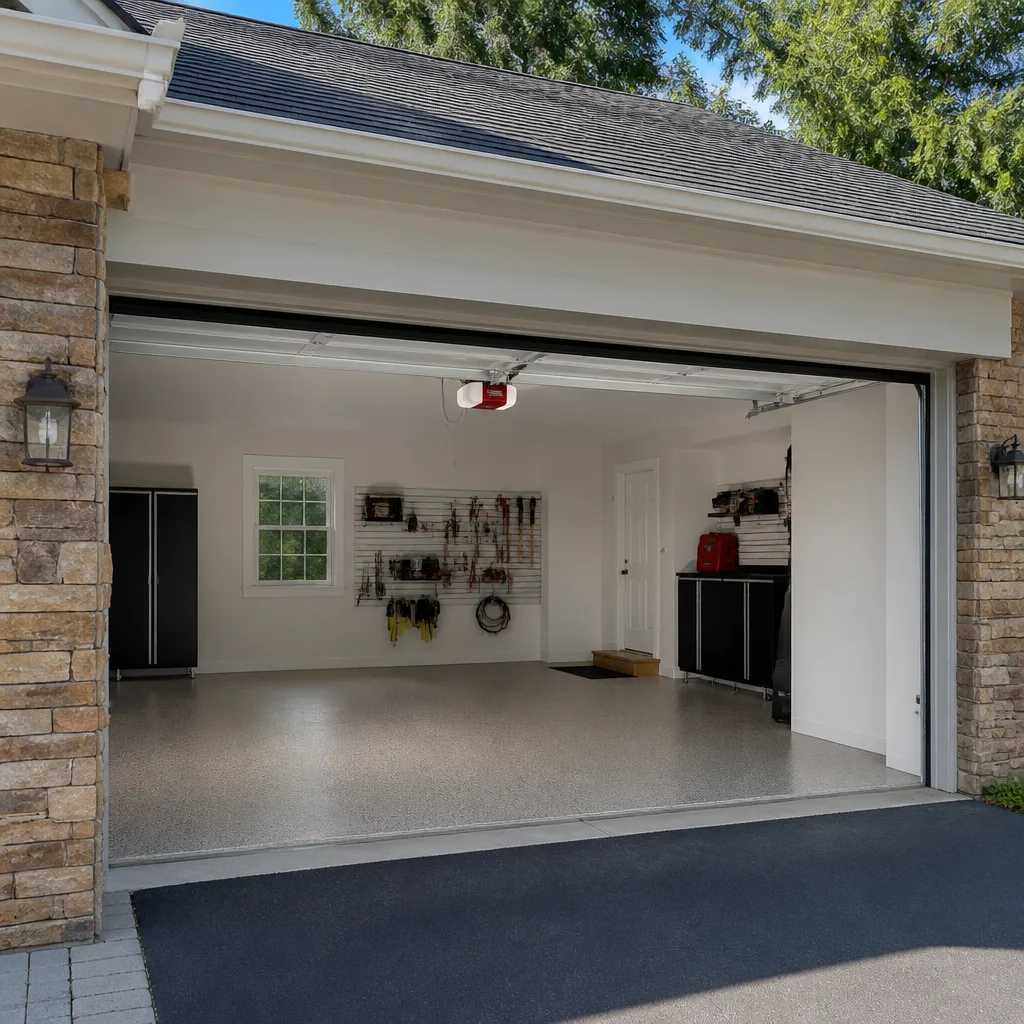 LiftMaster openers
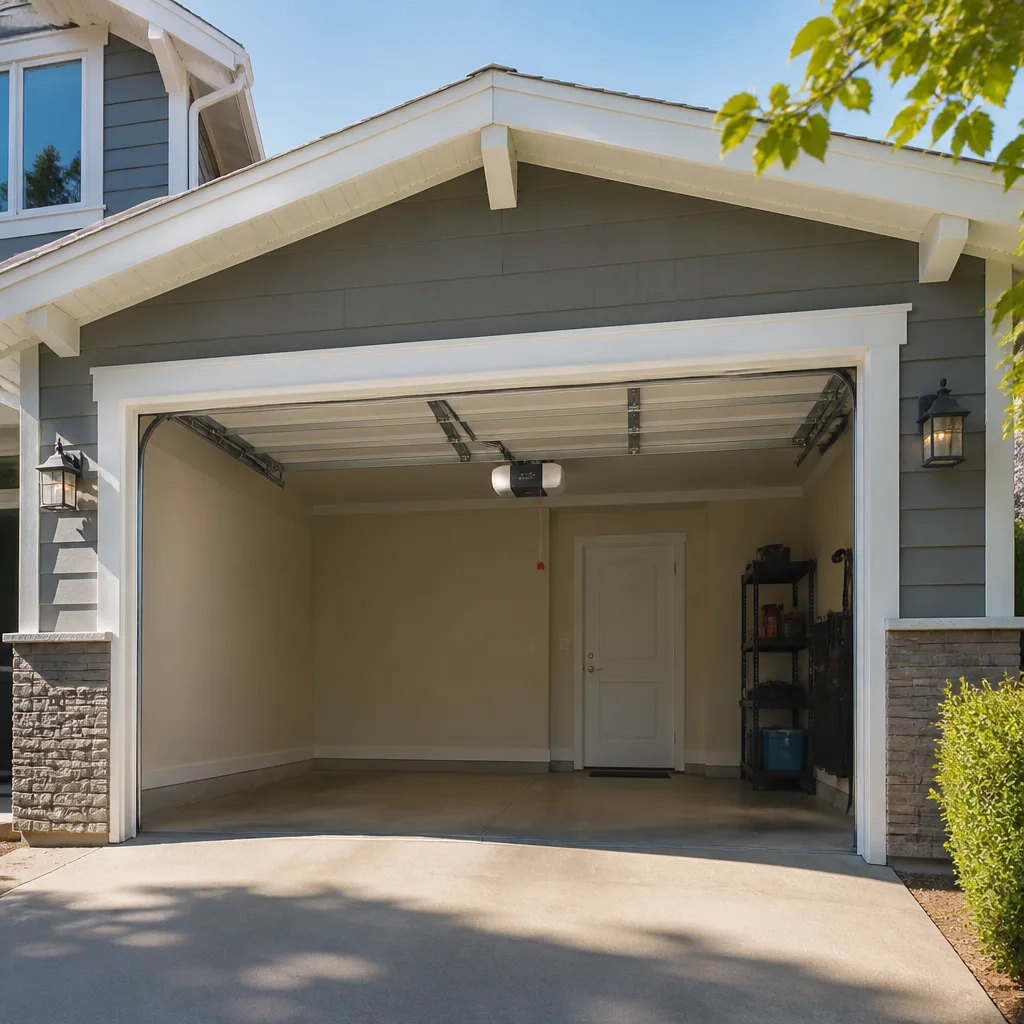 Chamberlain openers
Full 25-point door and opener safety check with every visit - springs, cables, rollers, tracks, and your LiftMaster or Chamberlain opener included
You get a price before we start. It does not change when the pro arrives.
Get your free estimateGarage Door Warning Signs: An Attleboro Homeowner’s Reference Guide
Ask most homeowners what a failing garage door sounds like and you’ll get a shrug and a guess. Ask what a failing garage door looks like and you’ll get a longer shrug. That vagueness is the real problem. A door that pops, scrapes, or reverses before it closes is sending you a specific message about a specific part, and if you can name the part, you can judge whether it’s a “call before this gets worse” problem or a “drop everything” one. This Attleboro guide maps the sounds, movements, and visual cues you’re actually hearing and seeing to the components behind them, so you can describe what’s wrong accurately and know how urgent it is before you pick up the phone.
Quick Answer
A garage door’s most urgent warning signs are a snapped torsion spring, a cable that has come off its drum, and a door that won’t stay closed or is visibly sagging. Less urgent but still worth scheduling are slow travel speed, uneven gaps at the floor, new noises, and a slightly misaligned track. When any warning sign involves a broken spring or cable, stop operating the door and call a trained technician, because those parts are under extreme tension.
Key Takeaways
- Match the symptom to the part before you decide how urgent it is. Grinding, popping, and scraping point at different components.
- Broken springs and off-drum cables are emergencies. Stop using the door.
- An opener’s blinking light pattern is a diagnostic code you can read without touching anything.
- Attleboro’s road salt, freeze-thaw cycles, and humid summers create warning signs you won’t read about in a generic guide.
- Get the price in writing before any work starts, and never trust a spring quote that treats one spring and a matched pair as the same job.
Styles & brands we work with
- Raised-panel steel
- Carriage house
- Modern flush
- Full-view glass
- LiftMaster openers
- Chamberlain openers
Table of Contents
- What the Noises Your Garage Door Makes Actually Mean
- Urgent Warnings vs. Schedule-It-Soon Warnings
- Visual Signs on Springs and Cables That Spell Imminent Failure
- How to Read Your Opener’s Warning Light Pattern
- Why Your Door Reverses Before Closing (It’s Not Always the Sensor)
- Warning Signs Specific to Attleboro’s Climate and Housing
- A Monthly Walk-Around Checklist for Attleboro Homeowners
- When a Symptom Means “Stop and Call a Professional”
What the Noises Your Garage Door Makes Actually Mean
Sound is the first warning sign most people notice, and it’s also the one they dismiss longest. “It’s always made a noise” is the sentence we hear most often when we arrive at an Attleboro home where a minor issue has had months to turn into a major one. The trick is that not all noises are interchangeable. Each sound tends to come from a particular zone of the door system, which makes diagnosis far more specific than “something’s wrong.”
Here’s how to translate what you’re hearing:
- A grinding noise while the door moves: Usually the rollers (dry bearings or worn nylon) or the opener’s gear and rail. If it only grinds during travel and stops at the top, suspect the rollers first. If it grinds the whole time including the opener’s motor housing, suspect the opener.
- Popping or snapping sounds from above: The torsion spring. This is the one to treat seriously. A torsion spring under load can pop as the coils bind or as the spring begins to fatigue. Never stand under the door to investigate.
- A scraping sound along the floor: The bottom seal or the bottom bracket dragging. This is common in Attleboro when the seal has swollen or torn and is catching on the concrete.
- A rattling or loose metallic jangle: Loose hinges, track bolts, or a loose opener rail. This is usually the least urgent and the easiest to tighten, but it can also signal a cable that is loose on its drum.
- A high-pitched whine or squeal: Dry torsion springs, a failing opener bearing, or worn rollers. Grease and bearings are the usual suspects.
- A clunk right when the door starts to move: A torsion spring with a broken winding or a drum that has shifted on the shaft.
Two of these – grinding and ceiling popping – are the ones we recommend taking seriously enough to stop cycling the door until they’re checked. In Attleboro, a popping torsion spring is worth a call even if the door still opens, because the springs on many local doors are already near the end of their life.
Urgent Warnings vs. Schedule-It-Soon Warnings
Not every warning sign deserves the same response, and the biggest mistake homeowners make is treating all of them the same. Some failure modes can wait a few days for a service visit. Others can hurt someone. Here’s the split.
Treat these as urgent. Stop operating the door.
- A broken torsion spring. You’ll usually hear a loud snap or bang, and the door will suddenly feel extremely heavy or won’t open at all. Never force it. The remaining spring can be under more load than it was designed for.
- A cable that has come off its drum. You’ll see a loose cable draped or coiled near the side of the door, or the door will sit cocked to one side. Cables are under high tension. Don’t try to re-seat one yourself.
- A door that won’t stay closed. If the door starts to close and then reverses, or stays a few inches off the floor, that’s a safety and security issue. Call.
- A visibly sagging or cocked door. One side lower than the other. This is often a sign of a failing spring or cable and can warp the panels if it’s operated.
- A door that stops and reverses partway but only on one side, or that binds hard on the track. Could be a bent track, a broken roller, or a panel that has come out of its hinges.
Schedule these soon. You can still use the door carefully.
- Slow travel speed. The opener is laboring. The cause could be a wearing spring, a stiff roller, or an opener that’s struggling with a door it was never matched to.
- An uneven gap at the floor. The bottom seal or the door’s balance is off, and it’s costing you heat and letting weather in.
- New squeaks and squeals. Usually grease and bearings, but worth checking for a worn roller before it becomes a track problem.
- A single remote or keypad that won’t work. Often a battery or programming issue, not a door failure.
- A slightly misaligned track. Get it checked before the door wears through the roller or warps a panel.
For a door that won’t stay closed, a snapped spring, or a cable that has come off its drum, we handle garage door repair in Attleboro with fast dispatch so your door is back on track safely. Call (855) 268-3636. We answer 24/7. Fast dispatch from 7am to 7pm, Sunday through Friday.
Visual Signs on Springs and Cables That Spell Imminent Failure
Springs and cables are the two parts of your door system where a visual inspection is genuinely worth it, and also where you must not go further than looking. We describe these parts by their warning signs in plain terms because a homeowner who can recognize a failing spring is a homeowner who stops operating the door before it breaks.
Here’s what to look at, from a safe distance on the floor, without touching anything:
On torsion springs (the horizontal springs on the shaft above the door):
- A visible gap in the coil. A spring that has snapped in two will show a clear separation. This is an emergency.
- Rust-colored dust along the coils or on the shaft. That’s a sign the spring has been binding and shedding metal.
- A winding cone that looks shifted, or a shaft where the spring has moved out of its original position.
- Uneven spring coils that look compressed on one end and open on the other.
On cables (the thin steel wires along the sides):
- A cable that is draped across the floor or hanging loose. That means it has come off the drum. Stop using the door.
- A cable that looks frayed or has a kink or “birdcage” shape near the drum.
- A cable that is visibly tight on one side and slack on the other. This usually means the door has gone out of balance and one side is being loaded unevenly.
Here is the safety caveat that matters most in this guide: torsion springs and cables are under extreme tension, and they can release it violently without warning. Do not try to unwind, wind, cut, straighten, or otherwise adjust a spring or a cable yourself. A trained technician knows the tooling, the winding technique, and the safety protocol. This is exactly the work our garage door spring repair service exists to handle safely. Our technicians have up to 9 years of experience with the parts that most homeowners should never touch.
If you see any of the spring or cable warning signs above, stop operating the door and call. It’s not worth the risk of a panel crashing down or a spring releasing while you’re standing underneath.
How to Read Your Opener’s Warning Light Pattern
Your garage door opener is a computer, and like any computer it tries to tell you what’s wrong. The light on the back or side of the motor housing flashes a pattern that corresponds to a specific fault. You can read that pattern without touching the opener, and that makes it one of the most useful warning signs in your home.
The pattern itself matters less than the category of fault it represents. Most opener light patterns fall into three families:
- Safety sensor fault. The light flashes in a short, repeating pattern, and the door will travel partway and reverse. The sensors at the bottom corners of the door are misaligned, dirty, or blocked. This is the most common opener warning light, and it’s also the most fixable.
- Logic board fault. The light flashes a longer pattern, or the pattern changes between attempts, or the opener clicks but the motor doesn’t move. The control board is the likely culprit, and it’s a repair, not a user adjustment.
- Wiring fault. The light flashes in a consistent pattern that doesn’t change, and the door may not move at all. The wall control or safety sensor wire has likely come loose or been damaged. This is common in Attleboro homes where wiring has been run through old framing or along a wall that has shifted through freeze-thaw cycles.
To read the pattern safely, just count the flashes between pauses. Write the count down, note which brand your opener is, and describe the pattern when you call. If it’s a LiftMaster or Chamberlain, the pattern is usually documented on a sticker inside or on the opener’s housing. Genie openers often use a similar flash-count scheme. With a Craftsman opener, the pattern reads the same way but the sticker may be on the back panel. The point isn’t to memorize the chart. The point is to describe the fault accurately so the right part comes on the first visit.
If your opener is the thing that’s failing – clicking without moving, reversing unreliably, or showing a light pattern it didn’t show before – that’s a job for garage door opener repair in Attleboro. We work on LiftMaster, Chamberlain, Genie, and Craftsman openers, among others, so we’re not guessing at settings or waiting for a manual. Call (855) 268-3636 to book a visit.
Why Your Door Reverses Before Closing (It’s Not Always the Sensor)
A garage door that starts to close and then reverses is one of the most common warning signs we get called about in Attleboro, and almost every homeowner assumes it’s the safety sensor. Sometimes it is. But in Attleboro homes, the same symptom is just as often caused by something the sensor can’t detect: a bottom seal that has swollen from road salt, moisture, and freeze-thaw, so the door meets resistance and the opener reads it as an obstruction.
Here’s the full list of causes we’d look at, in the order we’d check them:
- The safety sensor. Misaligned, dirty, or blocked by something stored near the door. That’s the first thing to check because it’s the easiest.
- A swollen or torn bottom seal. The seal catches the concrete or the door meets the floor unevenly. This is a very common Attleboro-specific cause, and it’s usually obvious if you look at the seal on a cold morning.
- The opener’s force limit or travel limit. The opener is set too sensitively, or it thinks the floor is higher than it is. A technician can adjust this.
- A track that has been pushed out of plumb by frost heave. The door binds slightly on one side as it closes, and the opener interprets the bind as an obstacle.
- A hinge or roller that’s binding. A worn roller or a hinge that has bent slightly can create a momentary catch.
- A failing logic board. Less common, but if the opener’s light is flashing a logic pattern, that’s the answer.
The reason this matters is that if you replace the sensors on a door that’s reversing because the seal is swollen, you’ll have the same problem the next cold snap. The right move is to look at the seal and the track as well as the sensors, and to describe what you see rather than assuming. If you’re not sure, a quick visit is cheaper than a part you didn’t need.
Warning Signs Specific to Attleboro’s Climate and Housing
Attleboro sits in a part of Massachusetts where the weather does a number on garage doors. Cold winters with refreezing, road salt tracked in on cars and pushed into the garage floor, humid summers, and older housing stock that includes a lot of garages attached to homes built decades ago. That combination produces warning signs a generic guide won’t mention.
Here’s what we look for in Attleboro homes specifically:
- Salt and moisture scaling on the bottom brackets and hinges. Metal hardware near the floor in Attleboro corrodes faster than it does inland, because road salt and standing moisture attack the bottom bracket and the hinge plates. Look for white powdery residue or rust creeping into the hinges. If the metal is pitted, it’s a replacement item.
- A swollen or mushroomed bottom seal. Cold-weather hardening followed by warm, wet weather makes the seal swell. That swelling causes the reversing symptom we described above and lets cold air into any attached garage.
- Frost heave and track plumb. In Attleboro, the freeze-thaw cycle can lift or shift the concrete under the track, and a track that’s slightly out of plumb will cause binding, slow travel, and uneven gaps. It’s a very common cause of “my door has gotten louder over the winter.”
- Humidity-driven sticking. Attleboro’s humid summers make wooden door panels and some steel panels bind slightly. If your door is suddenly harder to open in July than it was in April, humidity and swelling are a likely cause.
- Older garage geometry. Many Attleboro garages were built for cars that were smaller than the ones that park in them now, and the door hardware has been replaced or adjusted more than once. A track that’s been re-drilled or a spring that’s been re-wound is worth having looked at carefully before it fails.
None of these are reasons to panic. They are reasons to look at your door once a month and describe what you see. If you’ve noticed salt scaling, a swollen seal, or a door that’s gotten harder to move since the last cold snap, that’s a good time to call. Attleboro Garage Door Repair offers free estimates in Attleboro. Call (855) 268-3636 to schedule a look. We answer 24/7. Fast dispatch from 7am to 7pm, Sunday through Friday.
A Monthly Walk-Around Checklist for Attleboro Homeowners
You don’t need to be handy to do this. You need five minutes, a flashlight, and the discipline to look before you open. Here’s the checklist we’d give any Attleboro homeowner:
- Look at the springs from the floor. Any gap in the coil, rust dust on the shaft, or spring that looks out of position is a stop-and-call sign. Do not touch.
- Look at the cables along each side. Both should be taut on their drums. A draped, kinked, or slack cable is a stop-and-call sign.
- Check the bottom seal. Look for tears, swelling, or a gap between the seal and the floor. Run your hand along it if the door is fully closed and stationary – it should be firm and continuous.
- Look at the track. Both sides should look straight and plumb. A bowed spot, a kink, or a track that isn’t parallel to its neighbor is a schedule-it-soon sign.
- Check the hinges and rollers. Look for rust, white powdery corrosion, or a roller that’s visibly crooked in its hinge. Replace anything pitted.
- Press the wall control and listen. Note any grinding, popping, scraping, or rattling. Write it down so you can describe it accurately.
- Watch the travel. The door should move at a steady speed and stop smoothly. Any hesitation, reversing, or uneven gap at the floor is worth describing on a call.
- Look at the opener’s light. When you close the door, note whether the light flashes a pattern. Count the flashes.
If you do this once a month, you’ll notice change before it becomes failure. If you’d rather have someone else do the walk-around, we can do it. If your door has any of the spring or cable signs above, stop using it and call us at (855) 268-3636 for a free estimate.
When a Symptom Means “Stop and Call a Professional”
Here are the situations where a trained technician should be the one to look at the door, not you:
- A broken torsion spring – a visible gap in the coil, or the door suddenly feels extremely heavy.
- A cable that has come off its drum or is hanging loose.
- A door that won’t stay closed, or that reverses partway through travel and won’t stop doing it.
- A sagging or cocked door where one side is visibly lower than the other.
- Any time you see a broken or bent spring or a frayed cable, regardless of whether the door is still moving.
- An opener that clicks but doesn’t move, or that shows a light pattern it didn’t show before.
- Any time the door is binding hard on the track, or you hear a sharp popping sound from above while the door is moving.
For all of these, we’d rather you stop operating the door and call. Attleboro Garage Door Repair offers free estimates in Attleboro. Call (855) 268-3636. We answer 24/7. Fast dispatch from 7am to 7pm, Sunday through Friday. If you call outside dispatch hours, we’ll book you into the next opening. The price is quoted and agreed before any work starts, and the written estimate is the price. If you need a full replacement rather than a repair, our Attleboro Garage Door Repair service page covers the options, and we’d schedule a free measure and a written price.
Common Mistakes to Avoid
- Waiting for a spring failure to become a door failure. A torsion spring that’s popping or has a visible gap is already failing. If you keep cycling the door, you risk dropping the door or damaging the opener. Stop using it and call.
- Replacing sensors when the door is reversing because of a swollen seal. Attleboro’s salt-and-moisture winters make a swollen bottom seal a common cause of reversing. If you swap the sensors and the door still reverses, you’ve spent money on a part you didn’t need.
- Trying to diagnose a torsion spring by eye and hand. A spring under load looks fine right up until it doesn’t. Visual inspection from the floor is safe. Touching, winding, or testing a spring is not.
- Ignoring a track that’s been knocked out of plumb by frost heave. It doesn’t just make the door noisy. It wears rollers unevenly and can warp a panel over time. Get it checked before that happens.
- Trusting a quote that treats one spring and a pair as the same job. If your door has a matched pair of torsion springs, they’re usually replaced together, and a pair costs about twice a single spring. A quote that doesn’t explain that up front is worth questioning.
- Accepting a verbal price and then getting a surprise on the invoice. The price should be quoted and agreed before any work starts. Ask for it in writing.
- Ignoring a blinking opener light pattern. That pattern is the opener trying to tell you what’s wrong. Note the flash count and brand, and describe it when you call. If you call us, we work on LiftMaster, Chamberlain, Genie, and Craftsman openers, so we can act on that description instead of arriving and starting from scratch.
See the difference
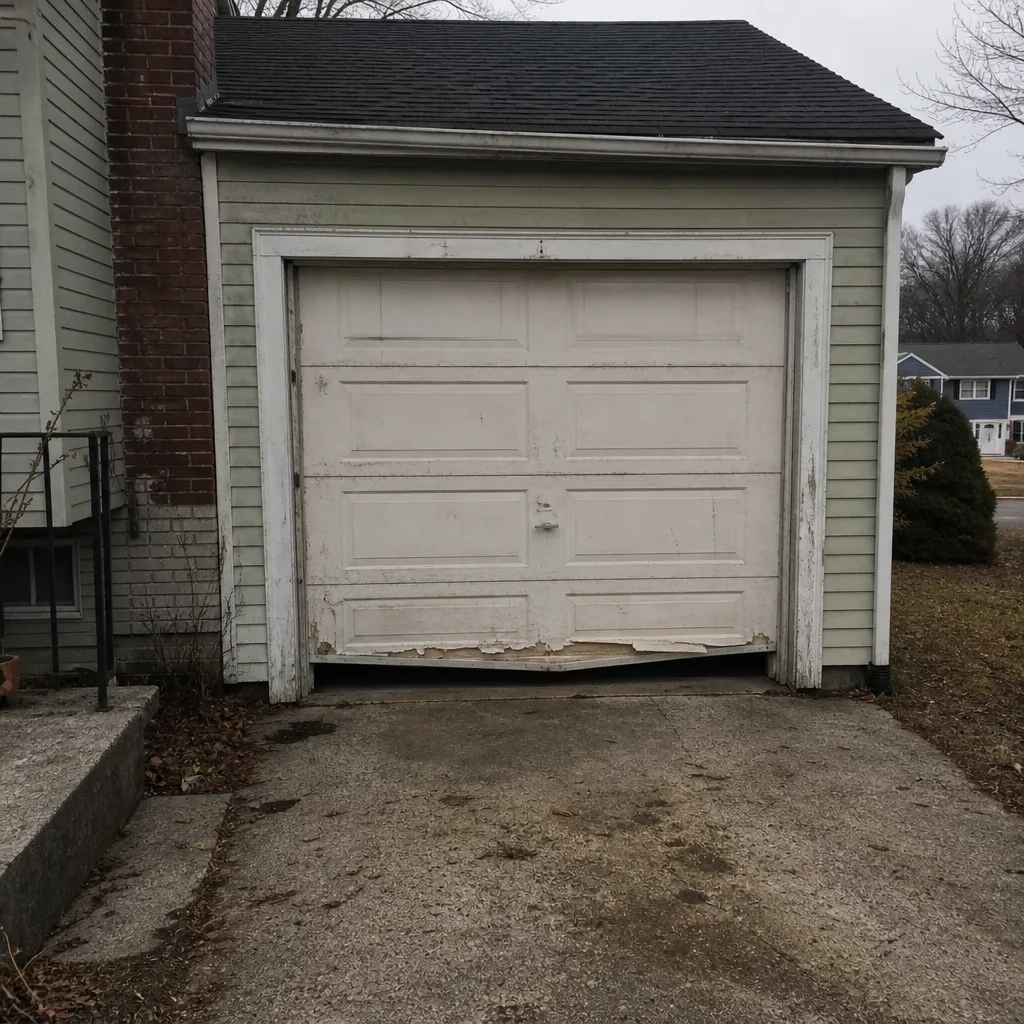 Before
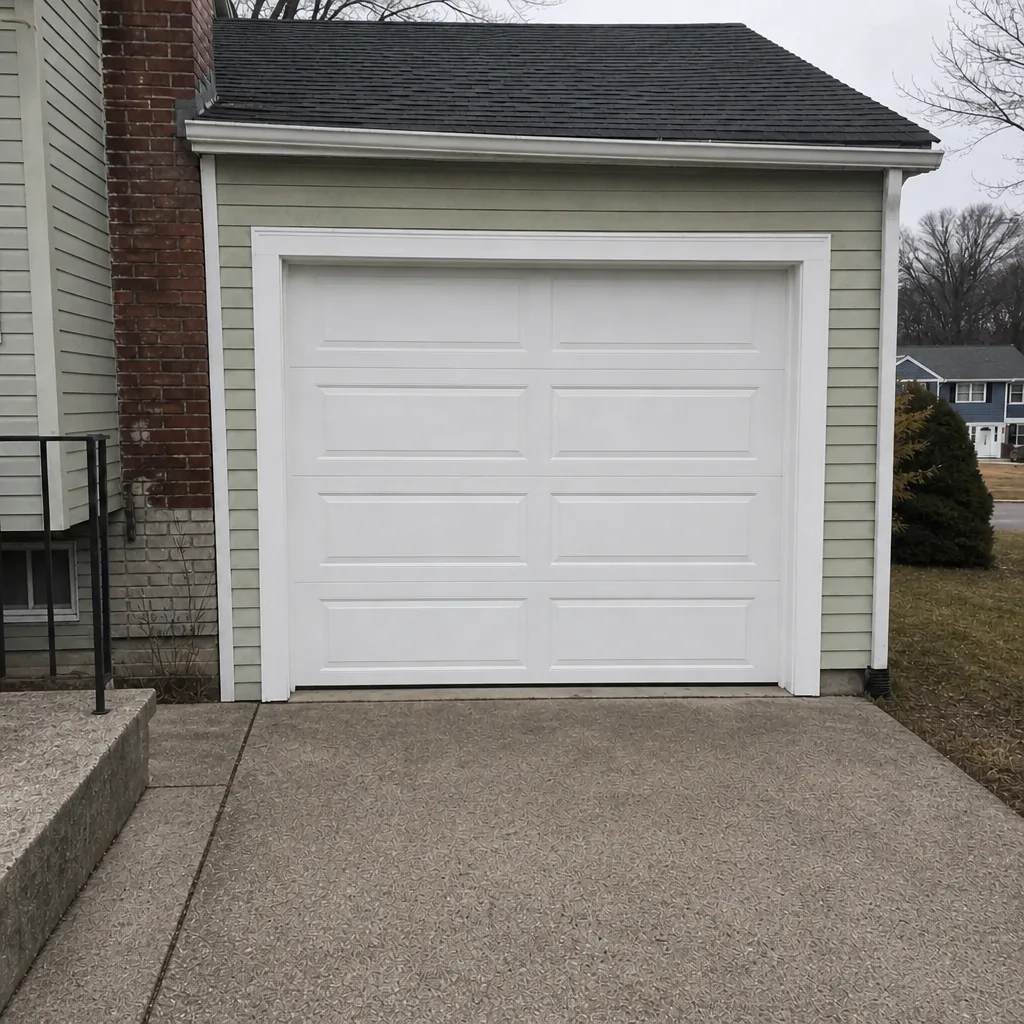 After
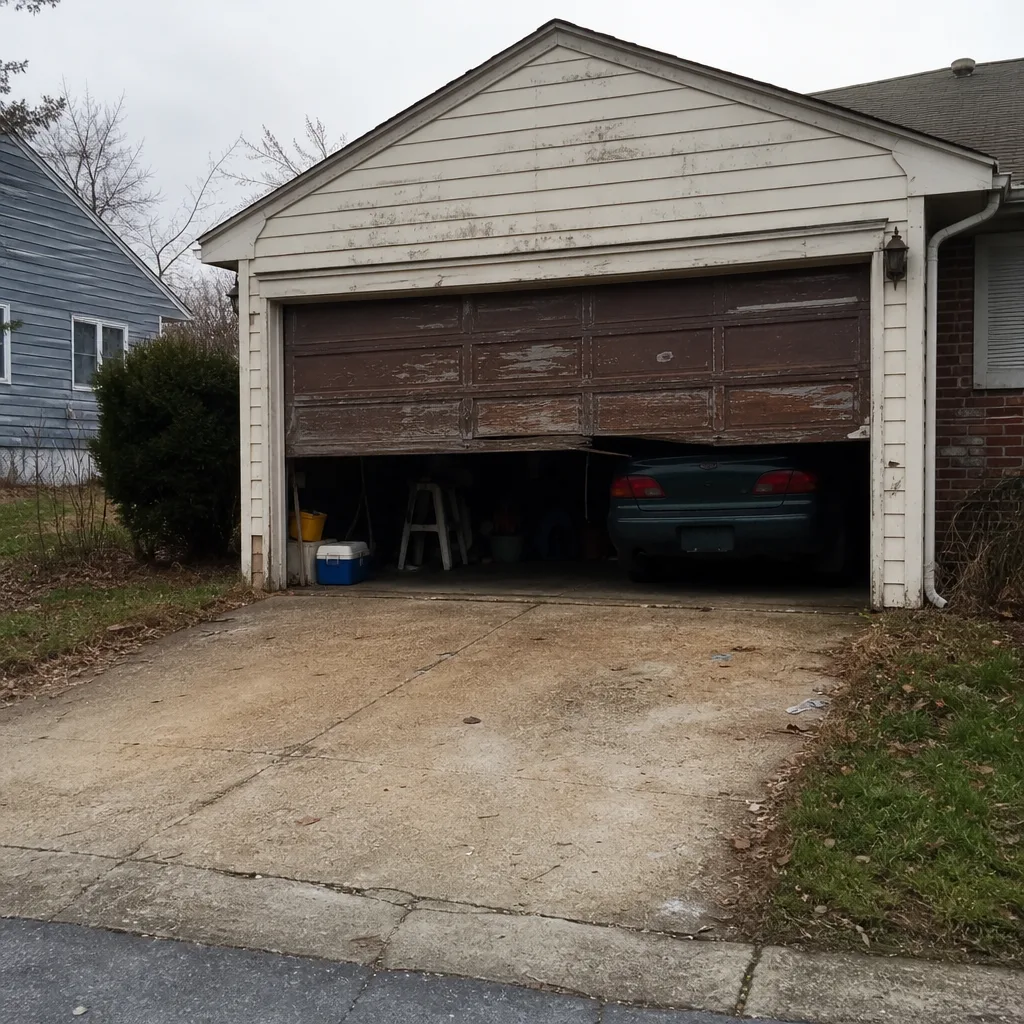 Before
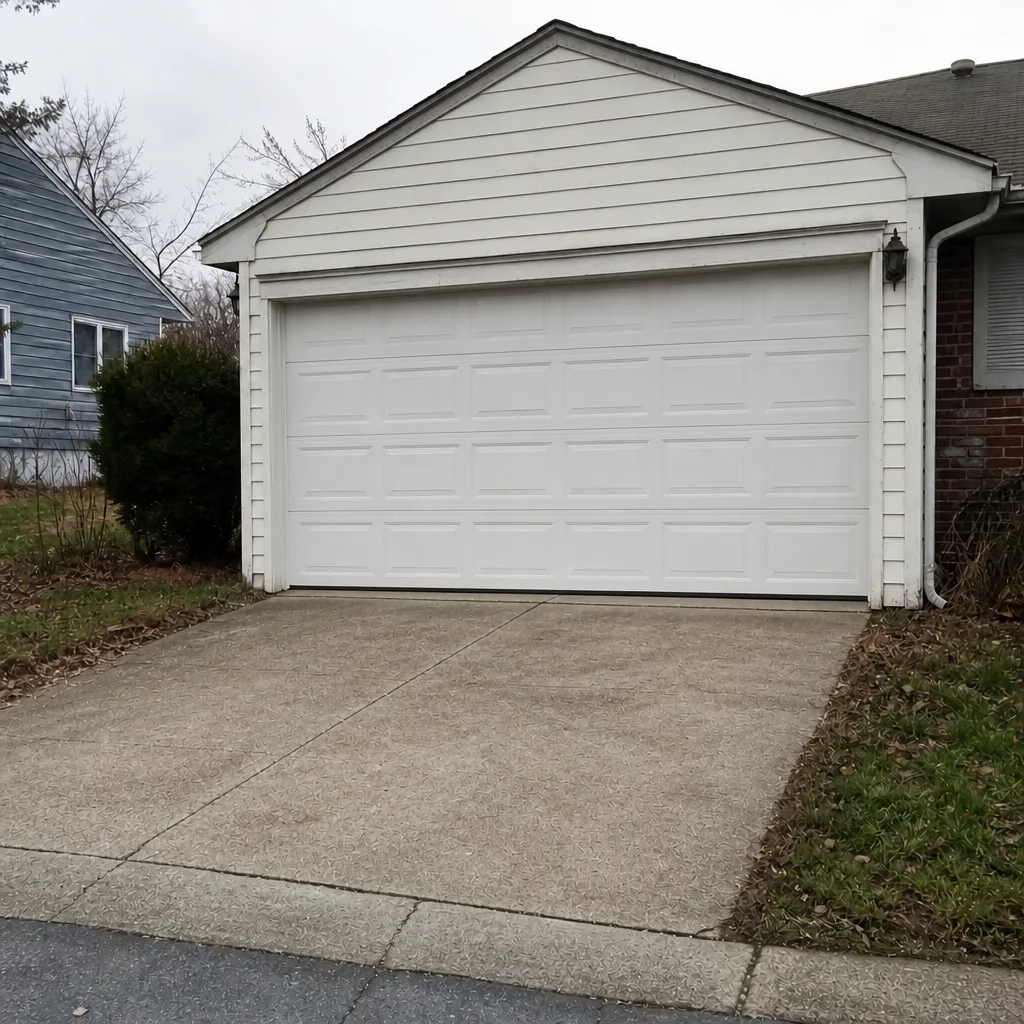 After
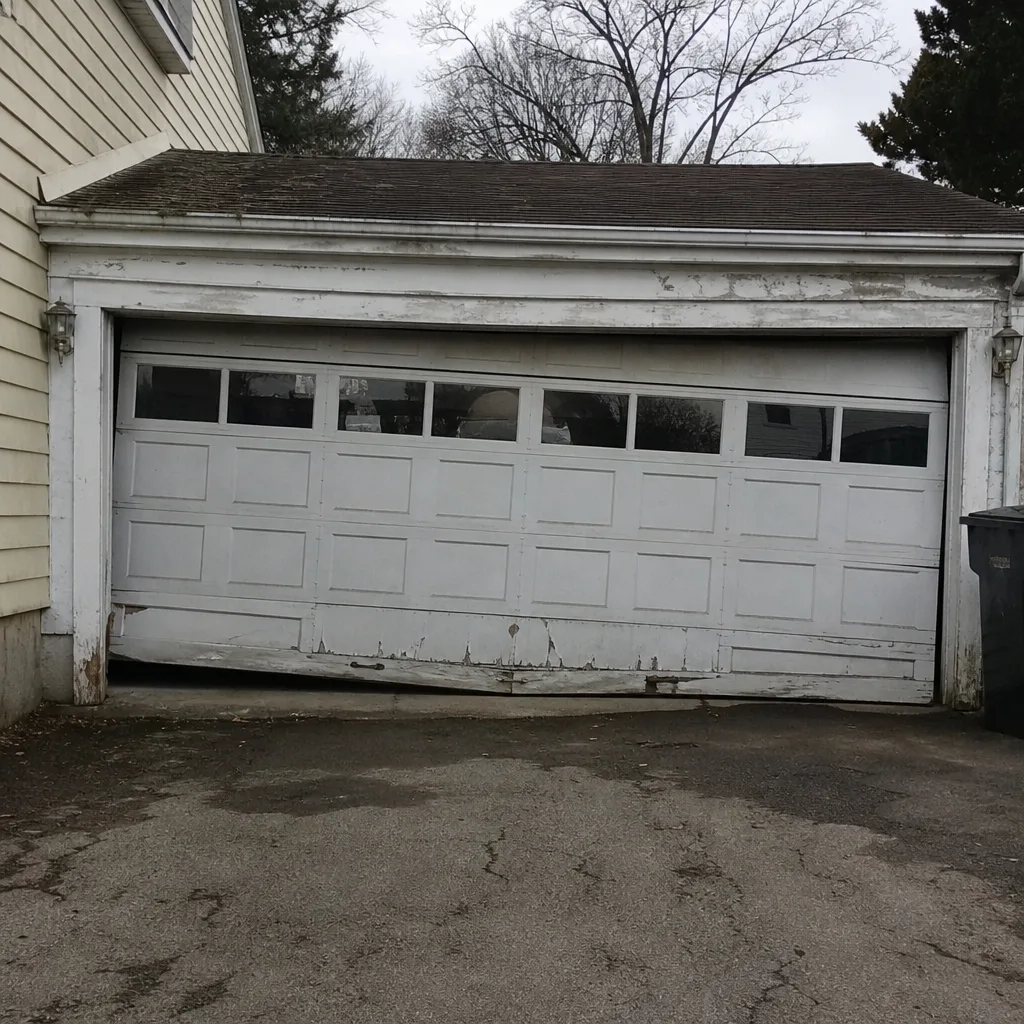 Before
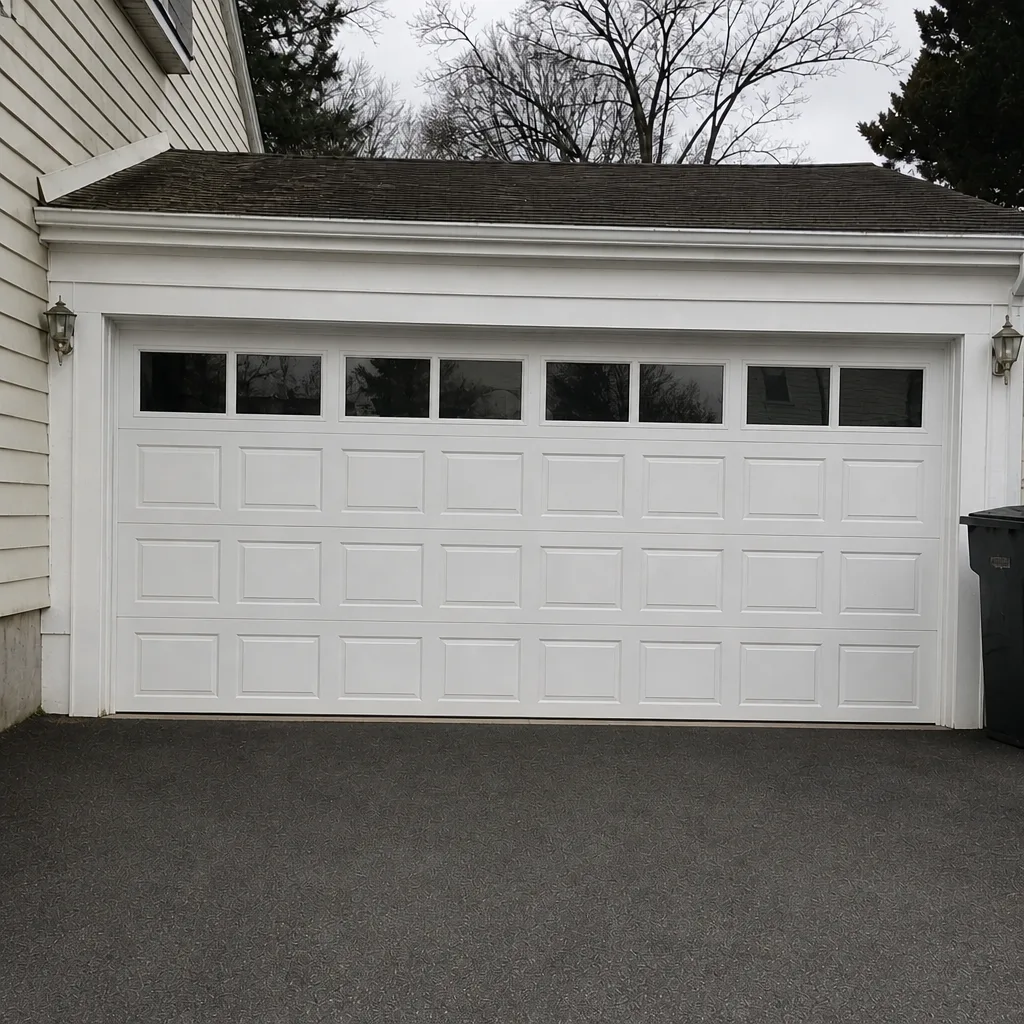 After
When to Call a Professional
Some warning signs are a checklist item and some are a “stop what you’re doing” sign. A broken spring, a cable off its drum, a door that won’t stay closed, a door that’s visibly sagging, and an opener that clicks without moving all fall into the second category. So does any noise that happens only when the door is under load – a pop, a snap, or a sharp clunk from above. Those are the calls we take every week in Attleboro, and the ones where a fast visit matters most. Attleboro Garage Door Repair offers free estimates in Attleboro. Call (855) 268-3636. We answer 24/7. Fast dispatch from 7am to 7pm, Sunday through Friday. If a call comes in outside those hours, we’ll book you into the next opening. Our technicians have up to 9 years of experience with the spring, cable, and opener parts that make the difference between a safe door and a dangerous one.
Frequently Asked Questions
A broken torsion spring or a cable that has come off its drum is the most urgent warning sign, and either one means you should stop using the door until it’s fixed. A door that won’t stay closed or is visibly sagging is right behind them. If you see a gap in the coil, rust dust on the shaft, or a cable draped along the floor, call (855) 268-3636. We answer 24/7. Fast dispatch from 7am to 7pm, Sunday through Friday, and estimates are free.
No. In Attleboro homes, the same reversing symptom is often caused by a swollen bottom seal or a track that’s been pushed out of plumb by frost heave. Check the sensors first because they’re the easiest cause to rule out. If the sensors are clean and aligned and the door still reverses, look at the seal and the track. If you’re not sure which one it is, a quick visit is cheaper than replacing a part you didn’t need. Call (855) 268-3636 for an exact quote – estimates are free.
Count the flashes between pauses, and note which brand your opener is. A short repeating pattern with a door that travels partway and reverses usually means a safety sensor fault. A longer, changing pattern or a click-with-no-move usually means a logic board fault. A consistent pattern that doesn’t change and a door that won’t move points to a wiring fault. Write down the count and call us at (855) 268-3636. We work on LiftMaster, Chamberlain, Genie, and Craftsman openers, among others, so we can use what you describe.
A single torsion spring typically runs in the range you’ll be quoted for the specific spring on your door, and a matched pair is usually replaced together, so a pair costs about twice a single spring. We won’t quote a price over the phone without knowing the door, but the written estimate you receive is the price, and it’s quoted and agreed before any work starts. Call (855) 268-3636 for an exact quote – estimates are free.
Yes, for a door that won’t close or has a snapped spring or an off-drum cable. Call (855) 268-3636. We answer 24/7, and with fast dispatch from 7am to 7pm, Sunday through Friday, we can often get to Attleboro the same day. If your call comes in outside dispatch hours, we’ll book you into the next opening. The price is set by the written estimate and agreed before any work starts.
The local professionals we connect you with are licensed and insured as their state requires. We work on your brand rather than guessing at it, and our technicians have up to 9 years of experience with the spring, cable, and opener work that garage doors depend on. Call (855) 268-3636 to schedule a visit. Estimates are free, and the price is agreed before any work starts.
The Bottom Line
Warning signs aren’t useful when they’re vague. They’re useful when they map to a specific part, a specific urgency level, and a specific next step. In Attleboro, that means watching for the sounds that point at springs and cables, the reversing symptom that isn’t always the safety sensor, the opener light pattern that names the fault for you, and the climate-driven signs – salt scaling, swollen seals, frost heave pushing a track out of plumb – that the generic guides leave out. If you take one thing from this guide, take this: a broken spring or an off-drum cable is a stop-and-call sign, and a trained technician should be the one to touch it. Attleboro Garage Door Repair is here for the full scope of what your door needs, from a single hinge to a new door installation. Call (855) 268-3636 for a free estimate. We answer 24/7. Fast dispatch from 7am to 7pm, Sunday through Friday. The price is quoted and agreed before any work starts, and the written estimate is the price.
Written by the team at Attleboro Garage Door Repair.