
Last updated November 23, 2026
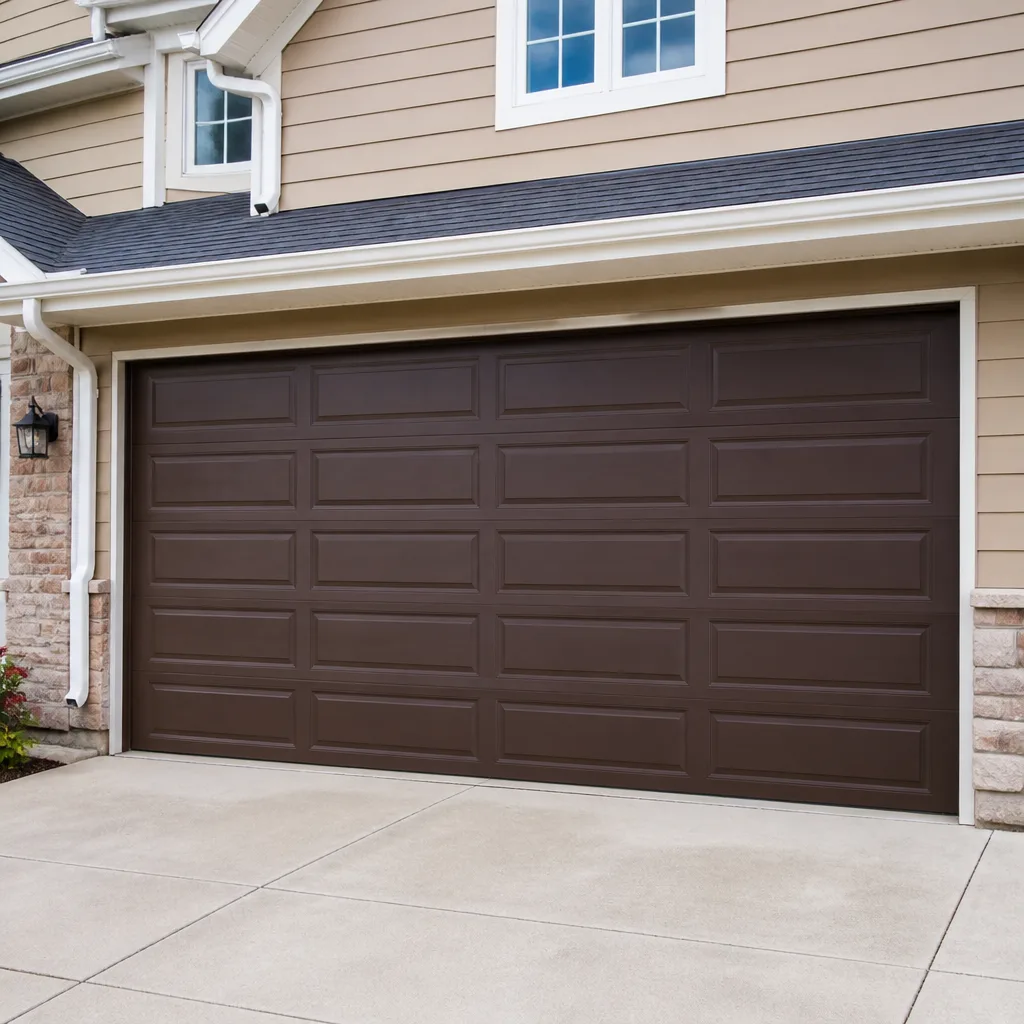 Raised-panel steel
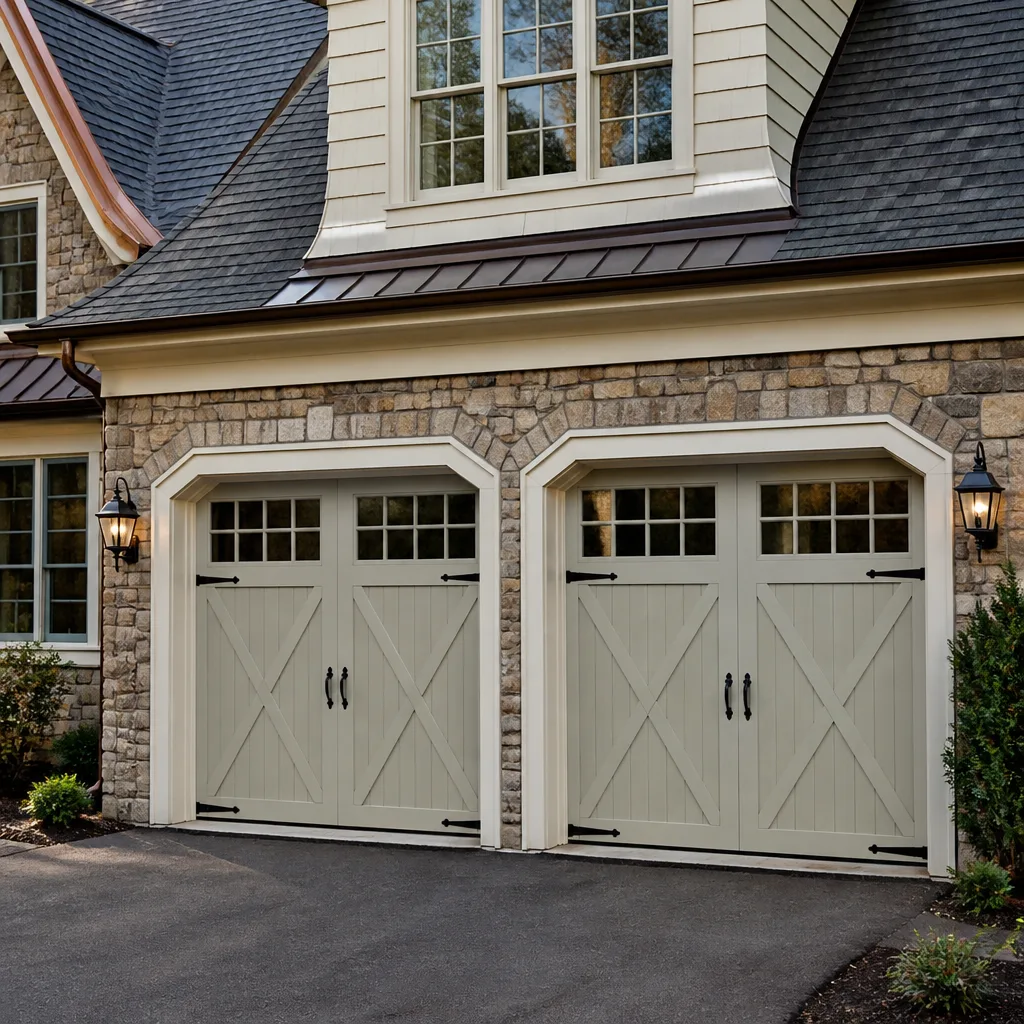 Carriage house
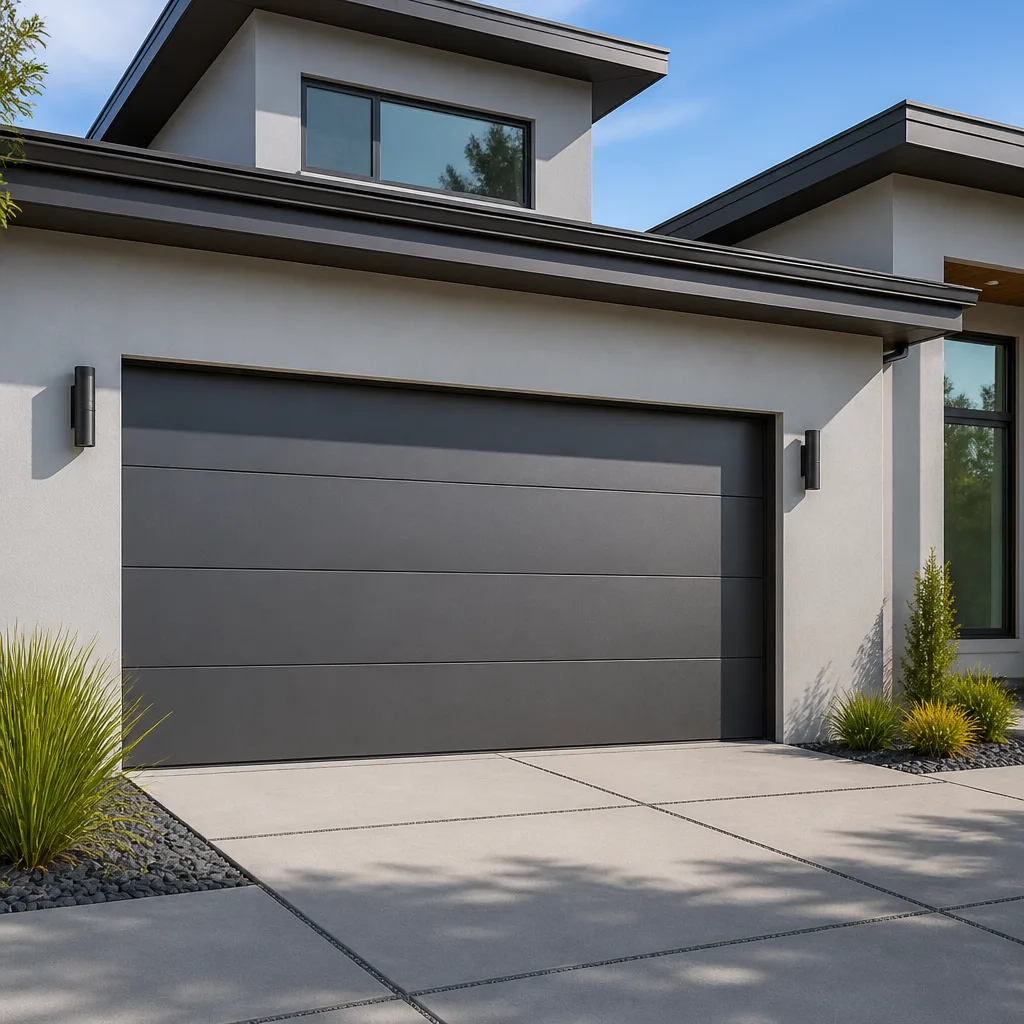 Modern flush
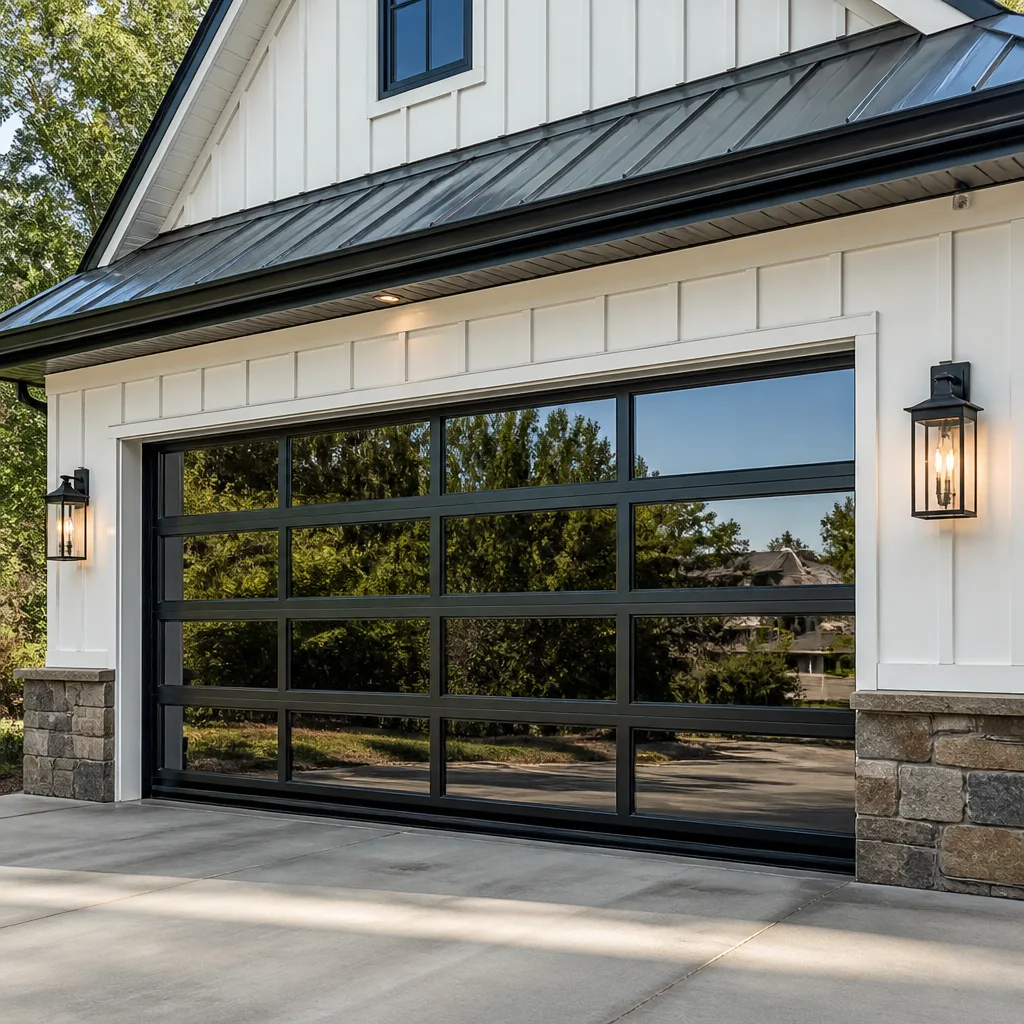 Full-view glass
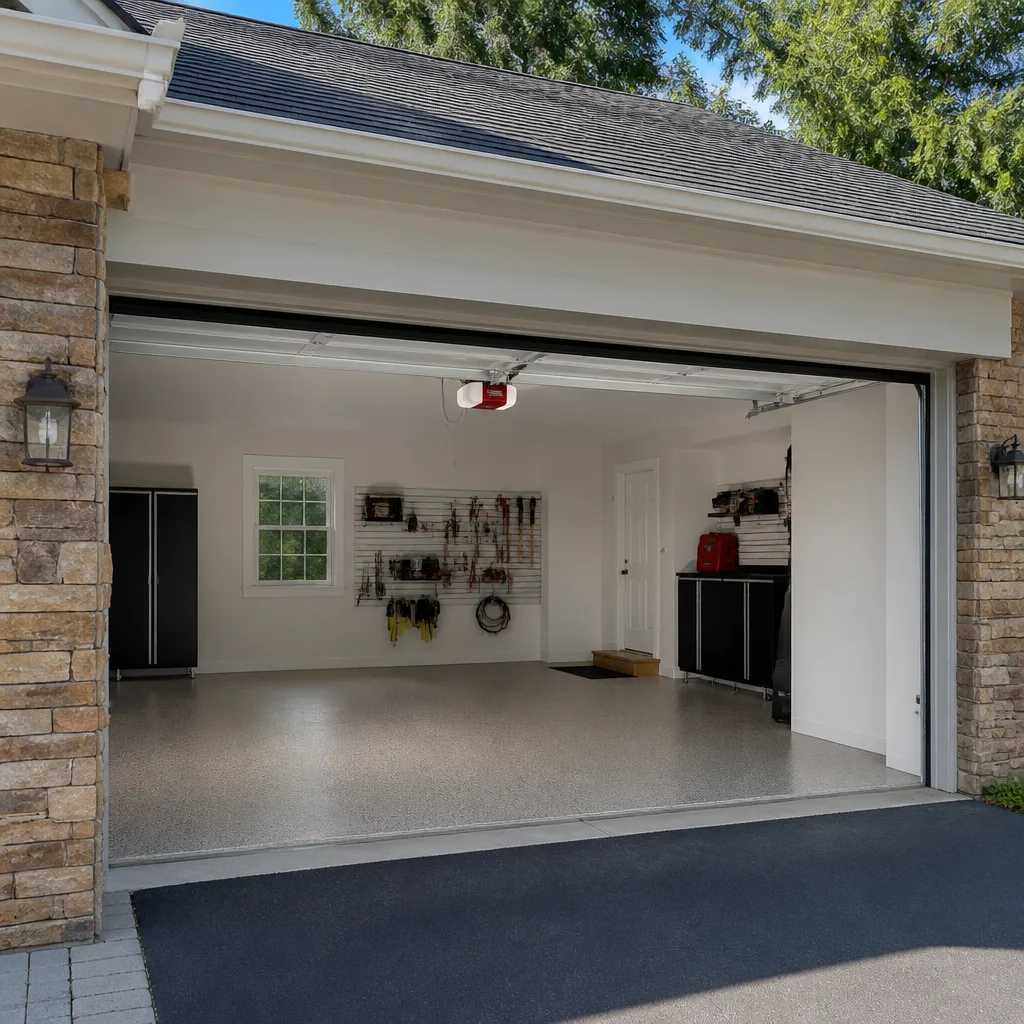 LiftMaster openers
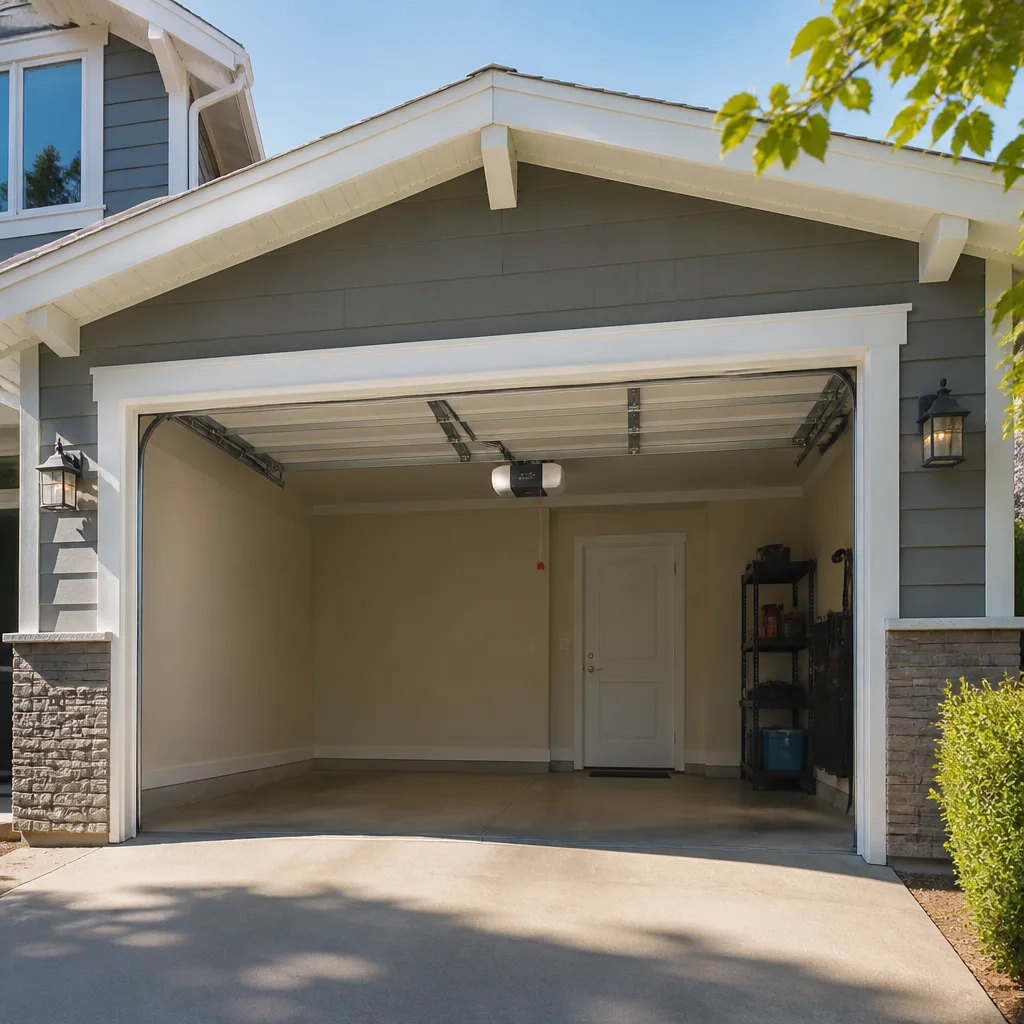 Chamberlain openers
Full 25-point door and opener safety check with every visit - springs, cables, rollers, tracks, and your LiftMaster or Chamberlain opener included
You get a price before we start. It does not change when the pro arrives.
Get your free estimateGarage Door Emergency Preparedness Guide for Attleboro Homes
When a torsion spring snaps at night, the instinct most homeowners have is to force the door open by hand. That’s the exact action most likely to turn one problem into two on the same visit, and it’s the single biggest reason a straightforward repair turns into a cable, drum, or panel replacement. The first ten minutes after a garage door fails decide whether you stay safe, whether your home stays secure, and whether the mechanical damage stops where it started. This guide walks Attleboro homeowners through the four emergencies that happen most often, what to do in each one, and the go/no-go checks that tell you when a door is safe to use again. We work on these doors daily across Attleboro, and the decisions below are the ones that matter.
Quick Answer
If your garage door fails, do not force it. Leave the door where it is, keep people and pets clear, and check whether the door is open to the street (a security problem) or stuck with the car inside (a logistics problem). Call a trained technician for anything involving a broken spring, a snapped cable, or a door off its track, and save the manual-release cord for genuine emergencies where you cannot get your vehicle out otherwise.
Styles & brands we work with
- Raised-panel steel
- Carriage house
- Modern flush
- Full-view glass
- LiftMaster openers
- Chamberlain openers
Table of Contents
- Know Your Door Before Something Breaks
- The Four Most Common Garage Door Emergencies
- When a Spring Breaks: What to Do and What Never to Do
- A Door Off Track: Why You Shouldn’t Run It
- Opener Failure: Diagnosing It Before You Call
- Door Stuck Open in Winter: Temporary Security
- Using the Emergency Release Cord Safely
- What to Have Ready Before You Call
- Is the Door Safe to Use? A Go/No-Go Checklist
Know Your Door Before Something Breaks
The single best preparation for a garage door emergency costs nothing and takes five minutes: know what you own. When a technician answers your call, the difference between “my door won’t open” and “I have a Clopay door with a LiftMaster opener, and the door stopped halfway up with a loud bang” is the difference between a diagnostic guess and a technician arriving with the right parts for your system. The brands in Attleboro homes are not uniform, and each one behaves a little differently.
We work on equipment from LiftMaster, Chamberlain, Genie, Clopay, Amarr, Wayne Dalton, Craftsman, and Raynor, and knowing the brand in advance shortens almost every emergency call. A Craftsman opener from one era has different limit-switch behavior than a newer LiftMaster unit. A Wayne Dalton door may use a proprietary spring system that changes how a repair is approached. None of that matters until something breaks, and then it matters a lot.
Walk out to your garage and collect these facts. Write them on a note and stick it inside a cabinet door or keep it in your phone:
- The door brand, usually stamped on a hinge, a bottom bracket, or the inside face of a panel.
- The opener brand and model number, printed on a label on the motor housing or the back of the unit.
- The type of spring. This one matters most. If the springs run horizontally above the door along a shaft, you have torsion springs. If they run vertically alongside the tracks, you have extension springs.
- Whether the door has windows, and roughly how heavy it feels the one time you test it by hand with the door closed and the opener disconnected.
This is preparation in the same way a fire extinguisher is preparation. You hope you never need it. If you do, you’ll be glad the information was already written down. When your door does fail, the fastest path to a fix is a call to a company that already knows how to work on your brand, and our Attleboro Garage Door Repair team does exactly that across the city.
The Four Most Common Garage Door Emergencies
Most garage door failures fall into four categories, and each one calls for a different first move. Sorting your situation into the right category in the first minute keeps you from doing something that makes it worse.
1. Broken spring
You’ll usually hear it before you see it, a sharp bang from the garage followed by a door that opens an inch and stops. The door may also feel strangely light when you lift it by hand, because the spring is what counterbalances the door’s weight. This is the most dangerous of the four because a door with no spring support weighs far more than most people expect. Do not lift it. Call a technician, and if you need the door open, ask them what to do rather than forcing it.
2. Door off track
The door has jumped the rollers out of the track, usually after a car backed into it, a roller wore out, or the door was run after the tracks were bent. The door often sits crooked, and one side may be hanging lower than the other. Do not run the opener. Running a door off track bends panels and can pull the whole assembly down.
3. Opener failure
The door won’t move when you press the remote, or it moves a foot and stops, or the motor hums without the door moving. These failures rarely involve the door itself and usually trace to the opener, a safety sensor, a stripped gear, or a dead logic board. This is the least dangerous of the four, and the most likely to be repaired without replacing the door.
4. Door stuck open in winter
The door opened and won’t close, which leaves your home open to the street and to Attleboro’s cold. The cause is often a safety sensor knocked out of alignment, a track packed with ice and snow, or a limit setting that shifted in the cold.
Sorting your situation this way is what our technicians do first on any emergency call. The category tells you how dangerous the door is right now and what you’re allowed to do before help arrives. For a door that will simply not move and needs a trained hand on it, garage door repair starts with getting the door moving again without causing secondary damage.
When a Spring Breaks: What to Do and What Never to Do
A broken spring is a load-bearing failure, not a mechanical quirk, and treating it as one keeps you safe. The spring above your door carries most of the door’s weight. When it breaks, that weight transfers to whatever is holding the door up, often the opener or nothing at all. A single-car door can weigh well over a hundred pounds, and a double-car door considerably more. The spring is what makes the door feel light. Without it, the door does not feel light.
What to do in the first five minutes:
- Stop pressing the remote or the wall button. Every cycle tries to lift a door the spring is no longer helping with, and that puts strain on the opener and the cables.
- Keep children and pets out of the garage. An unsupported door can drift down without warning.
- Look at the door from a safe distance. If it’s fully closed and sitting flat, the situation is stable. If it’s partly open and sagging, treat it as unsafe until a technician sees it.
- Check whether a vehicle is trapped inside. If not, leave the door completely alone until help arrives.
- Call a technician and describe the sound you heard and where the door stopped. That tells us the spring type and likely the failure mode before we arrive.
What never to do: never try to wind, unwind, or remove a torsion spring yourself. The spring stores an enormous amount of energy, and a spring that lets go while you’re working on it can cause serious injury. Never reach into the track or around the cable drums to free a jammed door, and never stand under a partly open door with a broken spring. This is the single most hazardous job in the trade, and we say that not to scare you but because trained hands are the only safe hands for it. If you’ve heard the bang and the door won’t lift, garage door spring repair is our specialty and we get those doors open again the same visit whenever possible.
One note on springs in pairs: many doors use two matched springs, and when one breaks the other is usually close to failing. Replacing one spring and leaving the other is a false economy, and a technician who knows what they’re doing will say so. Expect to be shown the failed spring and told plainly what the second one’s condition is before any work starts.
A Door Off Track: Why You Shouldn’t Run It
An off-track door is a structural problem, and the worst thing you can do is keep pressing the button to see if it works this time. When the rollers leave the track, the door is running on bent metal and uneven force. Each cycle grinds the rollers, warps panels, and can pull a section entirely free. What might have been a roller replacement turns into a panel replacement if the door keeps running.
The telltale signs of an off-track door:
- The door sits crooked, with one side higher than the other.
- You can see a roller sitting outside the track channel.
- The door binds, scrapes, or makes a grinding sound when it moves.
- A panel is visibly dented or bowed from an impact.
If you’re standing in the garage looking at this, do not try to bend the track back into place by hand. Track is tempered metal and bending it back rarely restores the correct gap, and a door that runs on a bent track wears out the rollers ahead of schedule. Instead, stop using the opener, unplug it if children in the house are likely to press the button, and call for a technician.
One practical note for Attleboro homeowners: doors coming off track are not always caused by a collision. In this part of Massachusetts, temperature swings through winter and spring expand and contract the metal tracks and wooden framing, and a roller that was at the edge of its tolerance can drop out of the track without any impact at all. If your door came off track on its own, it’s worth having the whole system checked rather than just popping the roller back in, because a door that came off once usually comes off again without a proper adjustment.
Opener Failure: Diagnosing It Before You Call
An opener failure is usually the easiest emergency to diagnose yourself, and the information you gather makes the technician’s visit faster and cheaper. Before you call, run through these quick checks. Each takes seconds and rules out a whole category of problem.
- Check the wall outlet. Openers are often plugged into a garage outlet that a tripped GFCI or a switched receptacle has killed. If the motor is silent with no light on the housing, this is where to look.
- Check the safety sensors. The two small sensors at the bottom of the tracks need to see each other. If one is knocked out of alignment, dusty, or has a cobweb across the lens, the opener will refuse to close the door. The sensor LED on the motor housing usually tells you whether the beam is being received.
- Listen to the motor. If it hums but the door doesn’t move, the opener gear may be stripped, or the door may be jammed. If it clicks and nothing happens, the logic board or the capacitor may be at fault.
- Try the wall button and a remote separately. If the wall button works but the remote doesn’t, the problem is the remote or the receiver. If neither works, the problem is the opener itself.
- Check the manual release. If someone pulled the emergency release and didn’t reset it, the opener can’t engage the door and will run the trolley back and forth without moving anything.
If none of those explain it, the opener needs a trained eye on it. Attleboro homes carry a wide range of openers, and knowing whether you’re looking at a Genie, a Chamberlain, a LiftMaster, or an older unit changes how the diagnosis works. That’s why garage door opener repair often resolves the same visit when the model is known in advance. If you tell us the brand and model when you call, we come with the right parts instead of a guess.
Door Stuck Open in Winter: Temporary Security
A garage door stuck in the open position is a security problem first and a mechanical problem second, especially after dark in Attleboro. Attleboro’s neighborhoods range from dense streets near downtown to quieter pockets out toward the city line, and an open garage bay visible from the road is an invitation in any of them. Securing the opening before the technician arrives is a few minutes well spent.
These temporary measures work in the short term. Pick the ones that suit your house:
- Park a vehicle across the opening, inside the garage. If your car is in there and you can back it up to the door, it blocks the view and the way in.
- Block the opening from the inside with a heavy piece of furniture or a stack of storage bins. It won’t stop a determined person, but it removes the easy walk-in.
- Use the manual release and lower the door by hand, if you can do it safely. With the door disconnected from the opener, a door with a working spring will lower under control. If the spring is broken, or the door feels heavy or fights you, do not do this. A door with no spring support is not a door you want overhead.
- Avoid a rope-and-strap workaround across the opening. Straps pulled across the doorway are more likely to fail than to hold and can pull the door down on someone.
The reason the door won’t close is usually one of a few. In cold weather, the safety sensors are the most common culprit: ice and road salt on the sensor lenses, or snow piled against one sensor at the base of the track, will convince the opener the beam is broken, and it will refuse to close. There’s no salt air in inland Attleboro, but road salt tracked in on tires gets everywhere, and a dirty sensor is the first thing to check. The second most common is a track with ice in it, which makes the door bind before it reaches the floor, triggering a reversal. Clear the base of the tracks and check both sensors before assuming the opener has failed.
Using the Emergency Release Cord Safely
The emergency release cord is the rope hanging from the trolley on your opener. Pulling it disconnects the door from the opener so you can move the door by hand. It’s there for two real situations: a power failure that traps your vehicle inside, and an emergency where you need to open the door when the opener can’t. In most other situations, pulling that cord makes things worse because it hands the full weight of the door to you. Here’s how to use it without getting hurt.
- Stand to the side of the door, never underneath it. The door can fall fast if the spring or cable is compromised.
- Make sure the door is fully closed before you pull the cord. Disconnecting a door that’s partway up under load can drop it.
- Pull the cord straight down with a firm, even pull. It should release the trolley with a click. Don’t yank.
- Lift the door slowly with both hands on the bottom section, keeping your body clear of the tracks. If the door feels heavy, uncertain, or fights you, stop. That door is not safe to move by hand. A door with a working spring will open smoothly. A door with a broken spring will not, and you’ll know within the first inch.
- Move the door on your own only if it moves under control. A door you can lift easily and lower slowly is a door with a working spring. A door that stops and fights is a door to leave alone.
- Reset the trolley when the opener is back in service. Pull the cord again or follow the reset procedure on the unit, then test the door through a full cycle with the opener.
One thing to be clear about: an emergency release cord is for the opener connection, not for a broken spring or a snapped cable. If the spring is gone, the release cord won’t help, because the door is still carrying its full weight with nothing to counterbalance it. The door in that condition is a job for a trained technician, and every hour you leave it alone makes that job go faster.
What to Have Ready Before You Call
The phone call goes faster and the first visit is more likely to finish the job when you have the right facts in front of you. Before you dial, have these ready:
- The door brand, from a hinge or the inside of a panel. Clopay, Amarr, Wayne Dalton, Craftsman, and the rest behave differently enough that the brand tells the technician a lot.
- The opener brand and model, from the label on the motor housing. This is the single most useful detail for an opener problem.
- What happened right before the failure. A loud bang? A grinding sound? A car that backed in last week? A door that had been sticking for a few days? Sequence matters.
- What the door is doing now. Fully closed, fully open, stuck halfway, crooked, or not moving at all.
- Whether a vehicle is trapped inside. This is the urgency factor that changes everything.
- Your spring type, torsion or extension, if you know it.
- Your address and a contact number, plus a note about anything a technician needs to know to reach the garage, like a locked gate or a car parked in front.
Then call us at (855) 268-3636. We answer 24/7. Fast dispatch from 7am to 7pm, Sunday through Friday. A call outside dispatch hours is booked into the next opening, Sunday through Friday, 7am to 7pm. Our technicians have up to 9 years of experience, and when you give them the brand and model on the phone, they arrive knowing whether they’re working on a common failure or something that needs a specific part.
Is the Door Safe to Use? A Go/No-Go Checklist
After an emergency, whether or not a technician has been out, you need a straight answer to one question: is this door safe to run again? The checklist below is a go/no-go test. If any item on the “no-go” side is true, don’t use the door until a trained technician looks at it.
Go: the door is safe to run through a normal cycle
- The door opens and closes fully under its own power without binding, scraping, or changing speed.
- Both springs are intact, with no visible gap in a coil, no sagging spring above the door, and no loose spring hanging below the track.
- The safety sensors at the base of the tracks are aligned, clean, and the opener reverses when you pass an object through the beam.
- The door reverses when it meets resistance while closing, which is the opener’s safety feature working properly.
- All rollers are seated in their tracks, and the door sits level at the bottom.
No-go: call a technician before you use the door again
- You heard a bang and the door no longer opens, or opens only a few inches.
- The door feels heavy when you lift it by hand with the opener disconnected.
- A spring has a visible gap or is hanging loose.
- A cable is slack, kinked, or hanging off its drum.
- The door is crooked, off track, or a panel is bent or bowing.
- The door doesn’t reverse when it meets an object while closing.
- The door closed on its own, or dropped suddenly at any point in its cycle.
- You can see light through a gap between the door and the floor that wasn’t there before, which can mean a bent panel or a broken hinge.
When in doubt, treat the door as unsafe and call for a professional inspection. The parts on the “no-go” list are exactly the parts that fail violently if they fail again. A door with a bent panel, a slack cable, or a compromised spring isn’t a door to run “just once more,” because the failure that follows is the one that causes real damage.
Common Mistakes to Avoid
- Forcing the door open by hand after a spring breaks. The instinct to get the car out is strong, but the door now weighs far more than you expect, and lifting it without spring support can drop it on you or snap a cable. Call a technician and tell them what happened instead.
- Pressing the opener repeatedly to see if it works this time. Every cycle runs the motor against the fault and adds damage. One test to see if the door moves is enough. If it doesn’t, stop and call.
- Bending a track back into place by hand. Attleboro’s temperature swings through winter and spring put stress on track alignment, and a track that came out of true once will come out again. A proper reset is faster and lasts longer than a hand bend.
- Ignoring the second spring on a two-spring door. When one spring breaks, the matching spring has been carrying the same load for the same time. Replacing one and not the other usually means a repeat call within weeks, and the second spring usually shows wear when the technician checks it.
- Pulling the emergency release cord when the door is halfway up or under load. The trolley is meant to disconnect with the door closed. Pulling it mid-travel drops the door and can damage the panels.
- Assuming a stuck-open door is a weather problem that will resolve itself. A door left open overnight is a security gap, not a temporary inconvenience. Secure the opening first, then get it repaired.
- Calling any number without knowing the brand and model. A technician who arrives without knowing your equipment may need a second trip. Have the brand, the opener model, and what the door did right before it failed ready before you dial.
See the difference
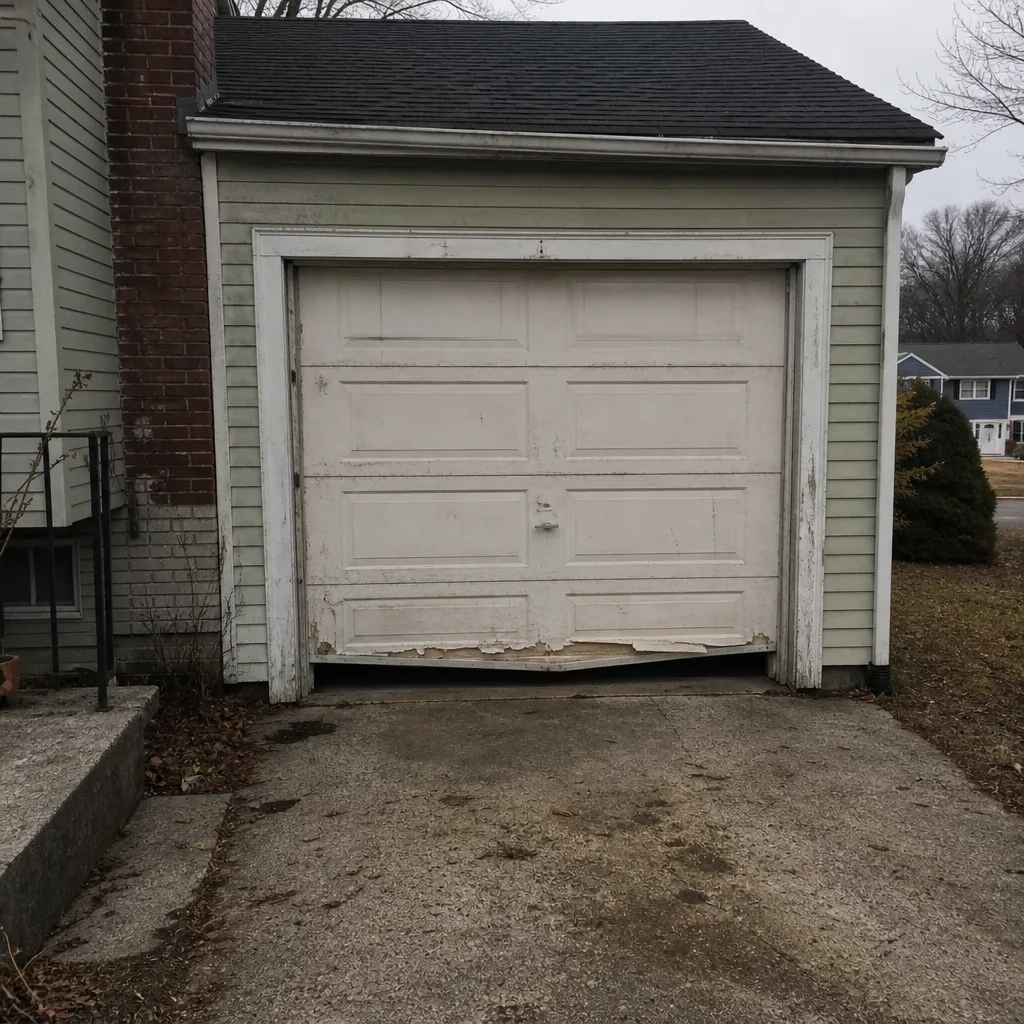 Before
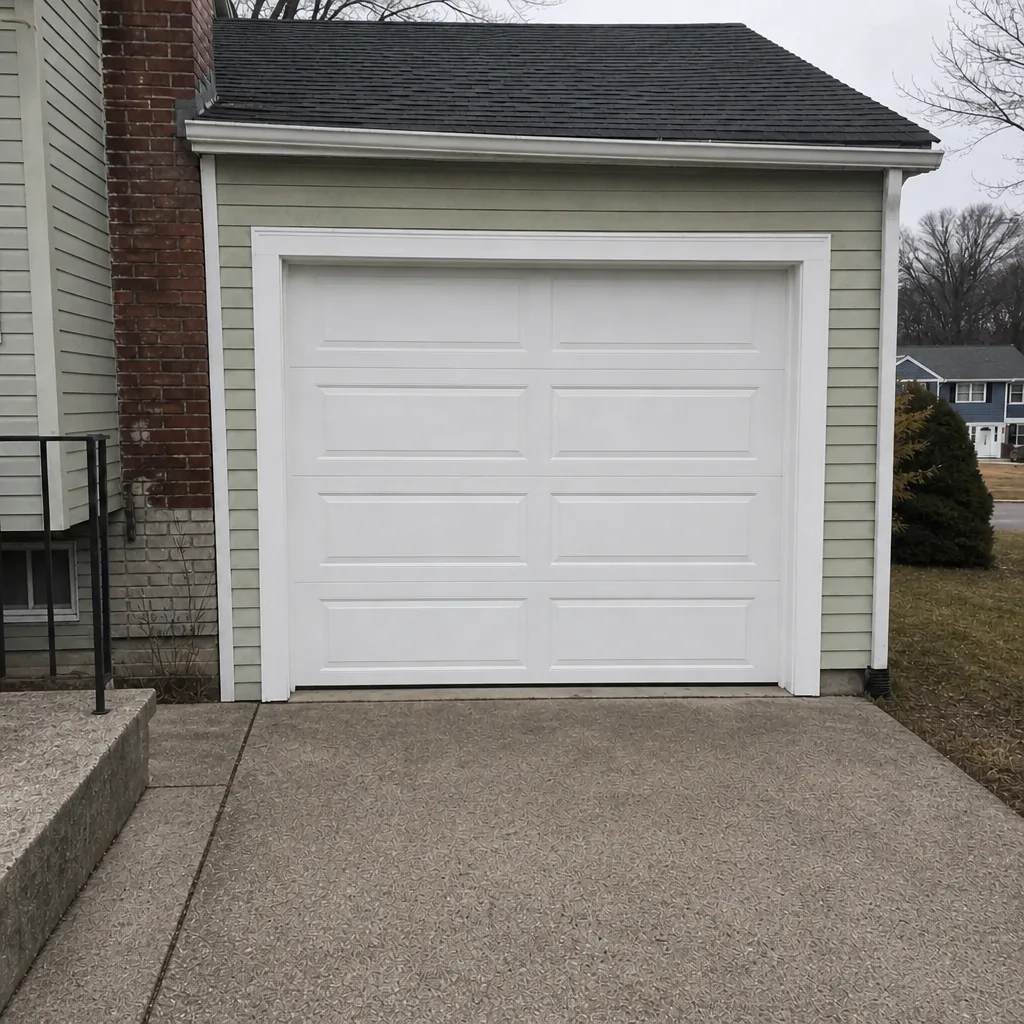 After
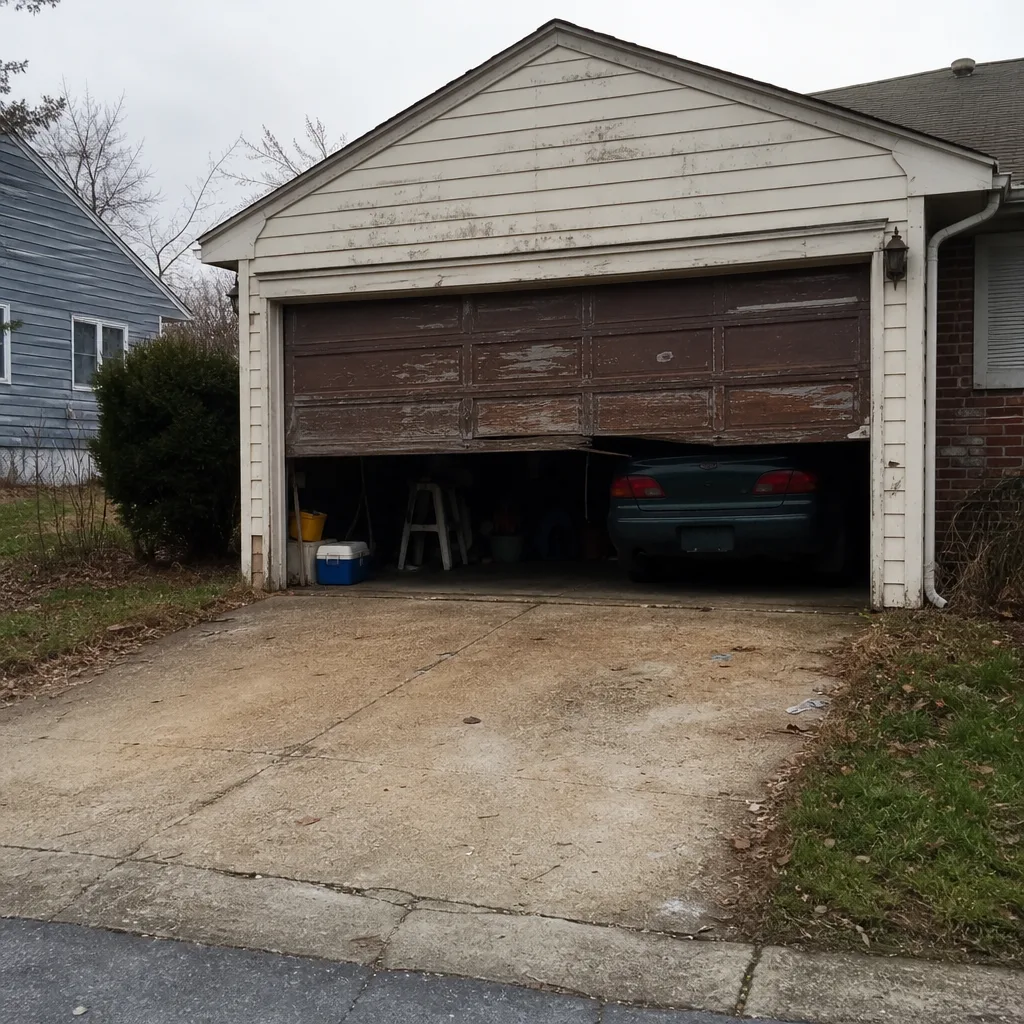 Before
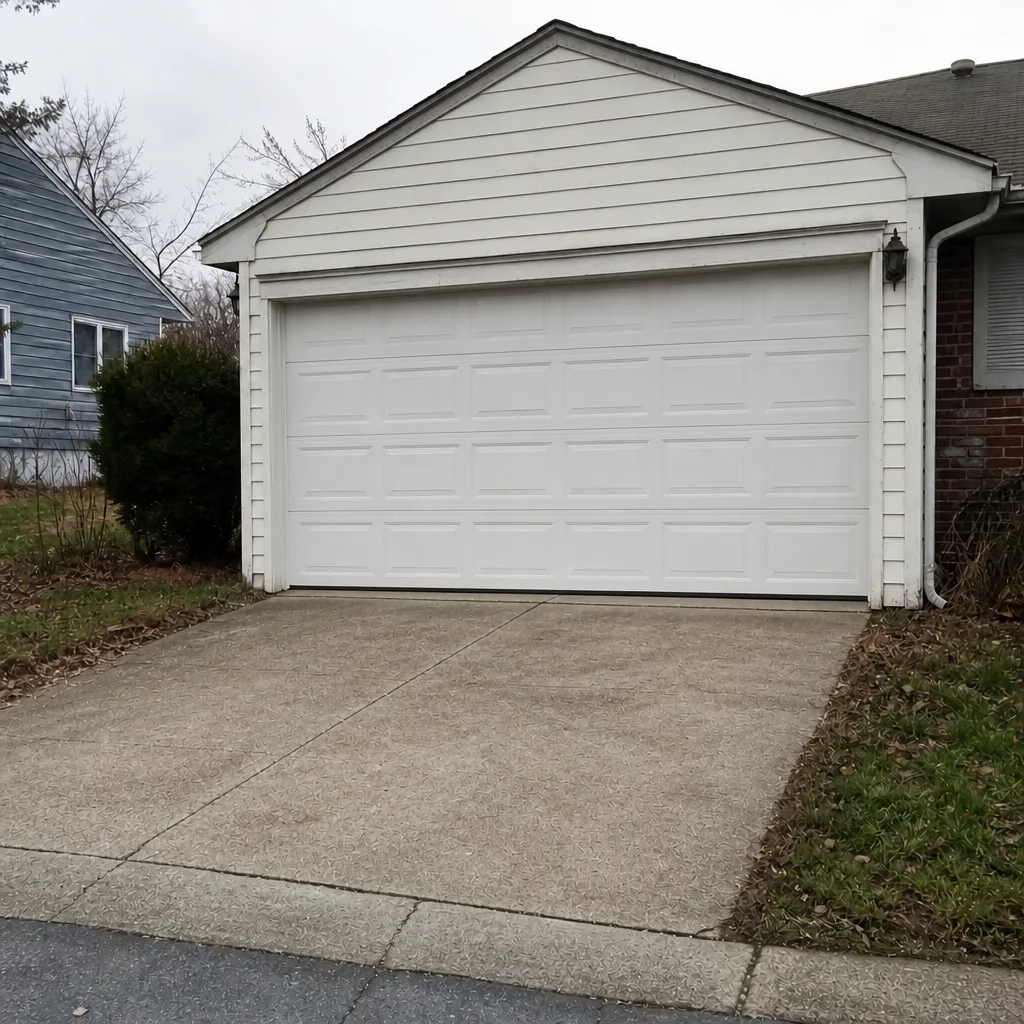 After
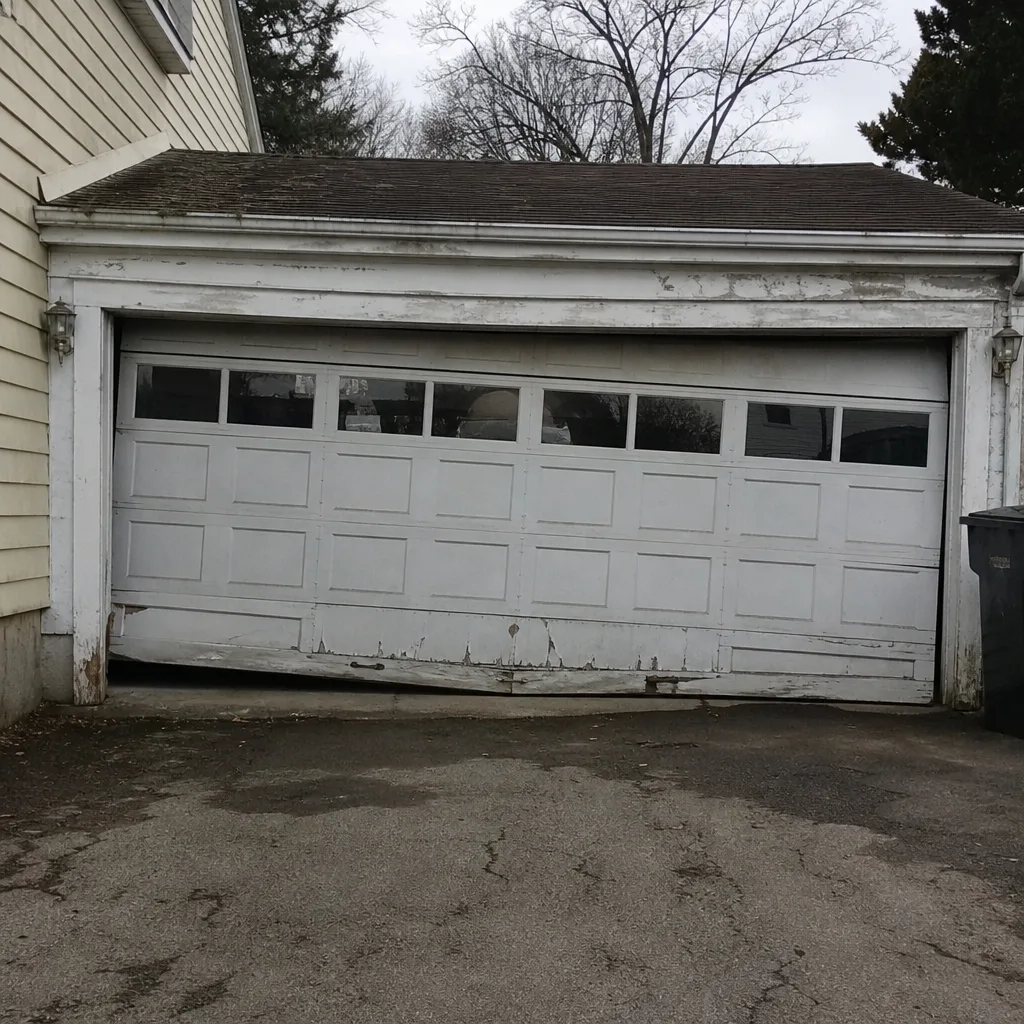 Before
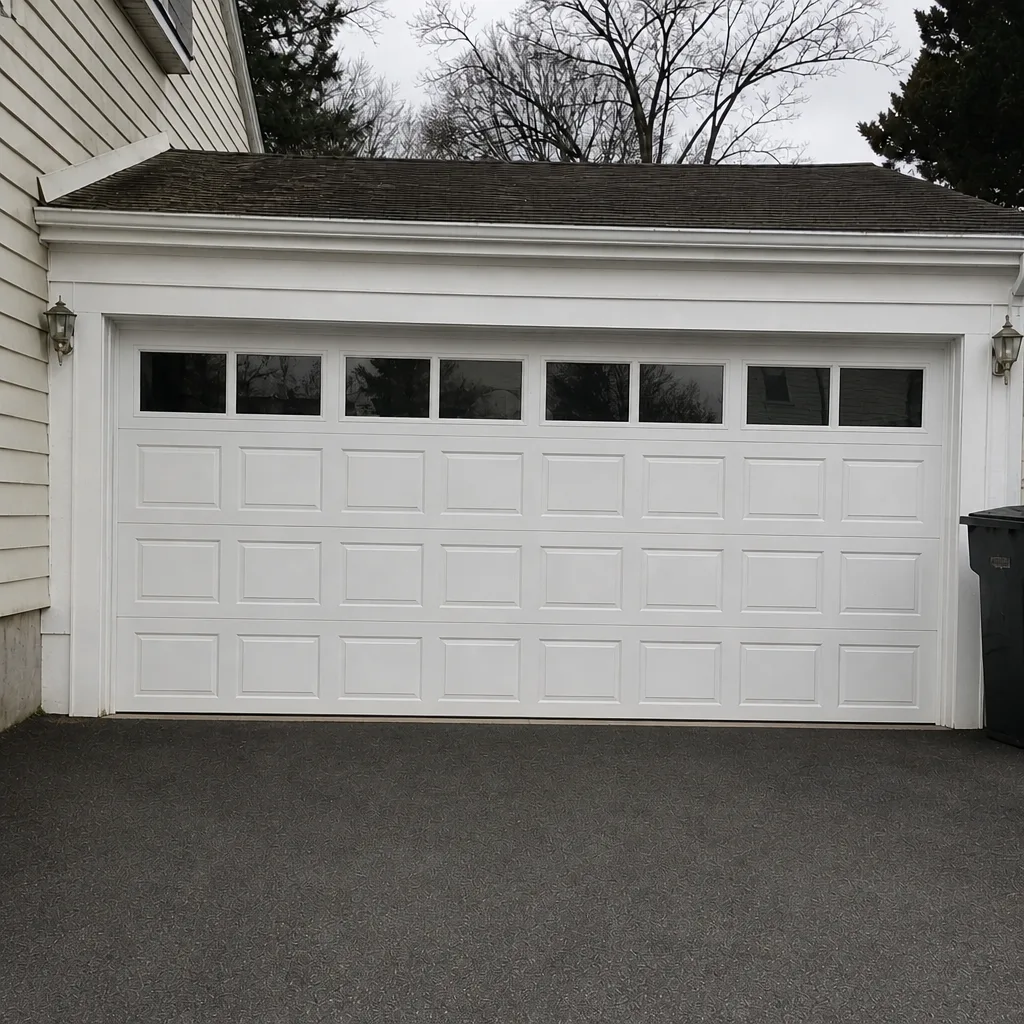 After
When to Call a Professional
Call a professional for anything involving a spring, a cable, a track that’s out of true, or a door that doesn’t reverse when it should. Those parts carry tension, and a mistake with them can cause serious injury. Call for an opener that hums without moving the door, a remote that works only sometimes, or a safety sensor that keeps tripping. Call when a vehicle is trapped inside. And call if the door is stuck open and you can’t close it, because securing your home is the priority and a trained technician can get the door working again. Attleboro Garage Door Repair offers free estimates in Attleboro, and we answer the phone 24/7 for the moments when this happens at night. Call (855) 268-3636. Our technicians have up to 9 years of experience, and they work on the brand you own. Fast dispatch from 7am to 7pm, Sunday through Friday.
Frequently Asked Questions
First, stop using the door. Don’t press the opener, don’t force the door by hand, and keep everyone out of the garage until a technician arrives. A broken spring leaves the door unsupported, and lifting it without that support can drop the door on you or snap a cable. Call (855) 268-3636, describe the sound and where the door stopped, and we’ll dispatch a technician. We answer 24/7, and fast dispatch runs from 7am to 7pm, Sunday through Friday.
You can, if the door has working springs and moves under control. That’s what the emergency release cord is for. Pull the cord with the door fully closed, then lift the door slowly with both hands on the bottom section, standing to the side, not underneath. If the door feels heavy or fights you, stop. That means the spring or cable isn’t doing its job, and the door isn’t safe to move by hand. Call a technician instead.
Secure the opening first, then repair. Park a vehicle in front of the opening if you can, or block it from the inside with heavy furniture. If the door has working springs and moves under control, you may be able to lower it by hand using the manual release. Don’t leave a door open overnight in Attleboro if you can avoid it. Then call us and describe what’s happening so we can help you get the door closing again.
Cold weather most often trips the safety sensors. Ice on the lens, snow piled against the base of the track, or a sensor knocked out of alignment will convince the opener the beam is broken, and it will refuse to close. Clear the base of both tracks and check that both sensor LEDs are lit. If the door still won’t close, the opener’s limit or force setting may have shifted, and that’s a job for a technician.
The door is safe when it runs a full cycle without binding, sits level, reverses when an object crosses the safety beam, and shows no slack cable, no gap in either spring, and no bent panels. If the door is heavy by hand, crooked, off track, or doesn’t reverse on the safety beam test, it’s not safe. Use the go/no-go checklist above and call us before running a door that fails any item.
Have the door brand, the opener brand and model, what happened right before the failure, what the door is doing now, and whether a vehicle is trapped inside. If you know it, tell us whether your springs are torsion or extension. That’s the information that lets a technician arrive with the right parts and shorten the visit. Call (855) 268-3636 with those facts ready.
The Bottom Line
Most garage door emergencies are manageable in the first ten minutes if you know what to do. Don’t force a door with a broken spring. Don’t run a door that’s off track. Check the safety sensors and the outlet before assuming your opener is dead. Secure an open door before you worry about repairing it. And have the brand, model, and failure details ready so the technician arrives equipped, not guessing. Attleboro Garage Door Repair works on Clopay, Amarr, Wayne Dalton, Craftsman, and the other major brands daily. We offer free estimates in Attleboro, and the price is quoted and agreed before any work starts. Call (855) 268-3636. We answer 24/7. Fast dispatch from 7am to 7pm, Sunday through Friday.
Written by the team at Attleboro Garage Door Repair.