
Last updated November 23, 2026
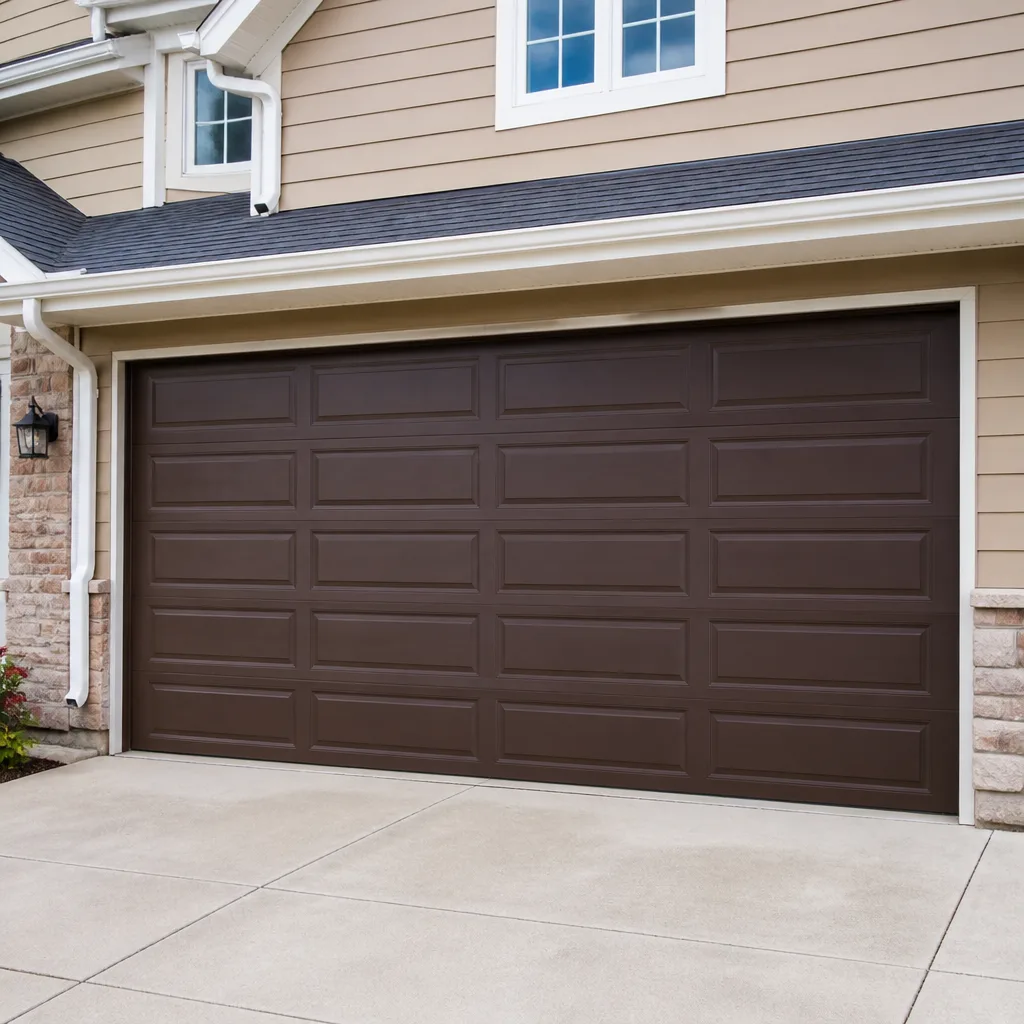 Raised-panel steel
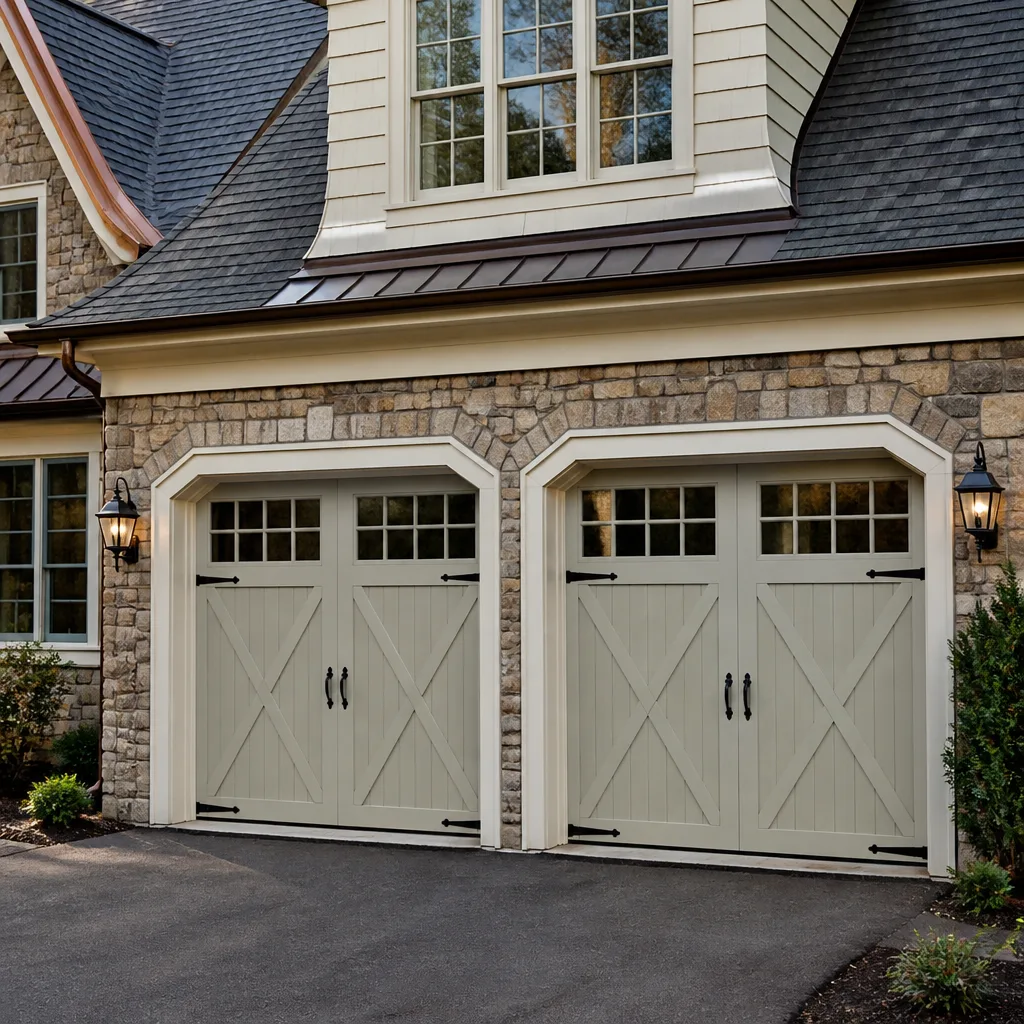 Carriage house
 Modern flush
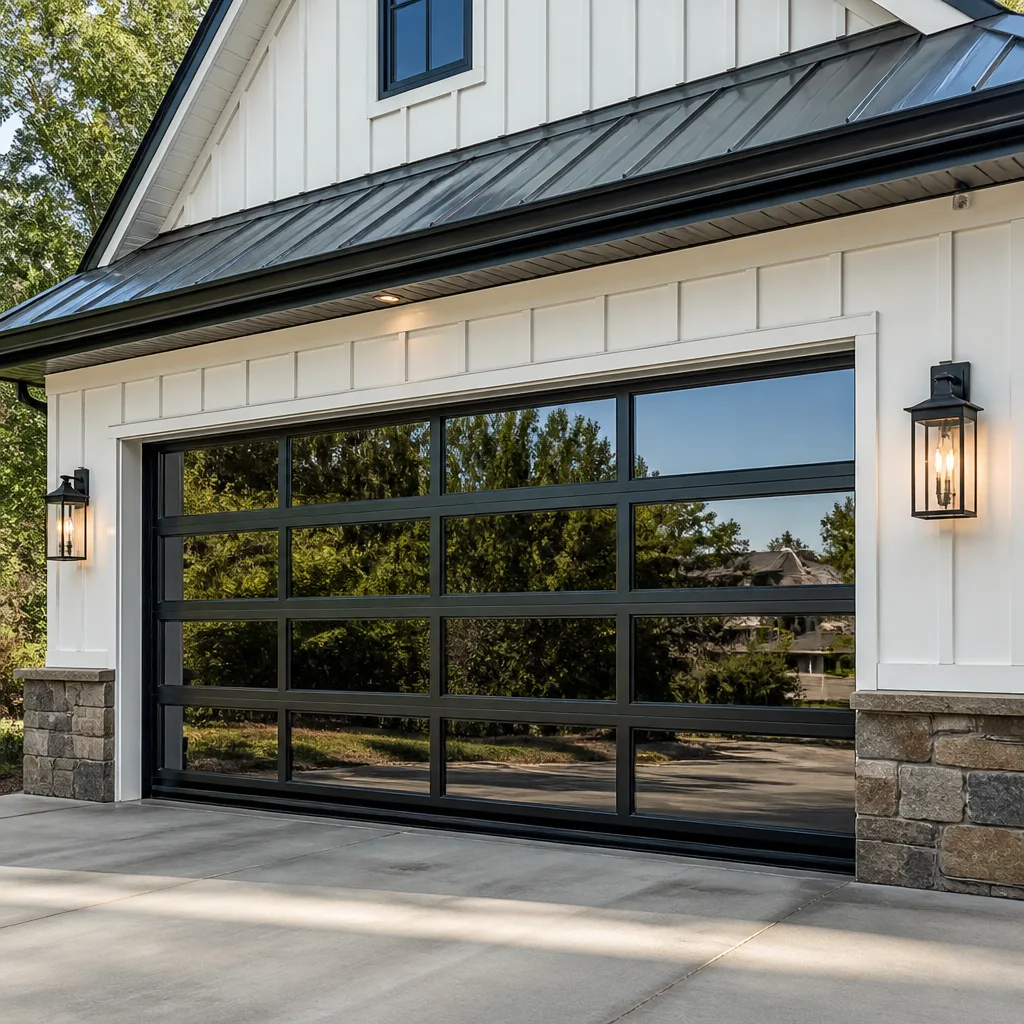 Full-view glass
 LiftMaster openers
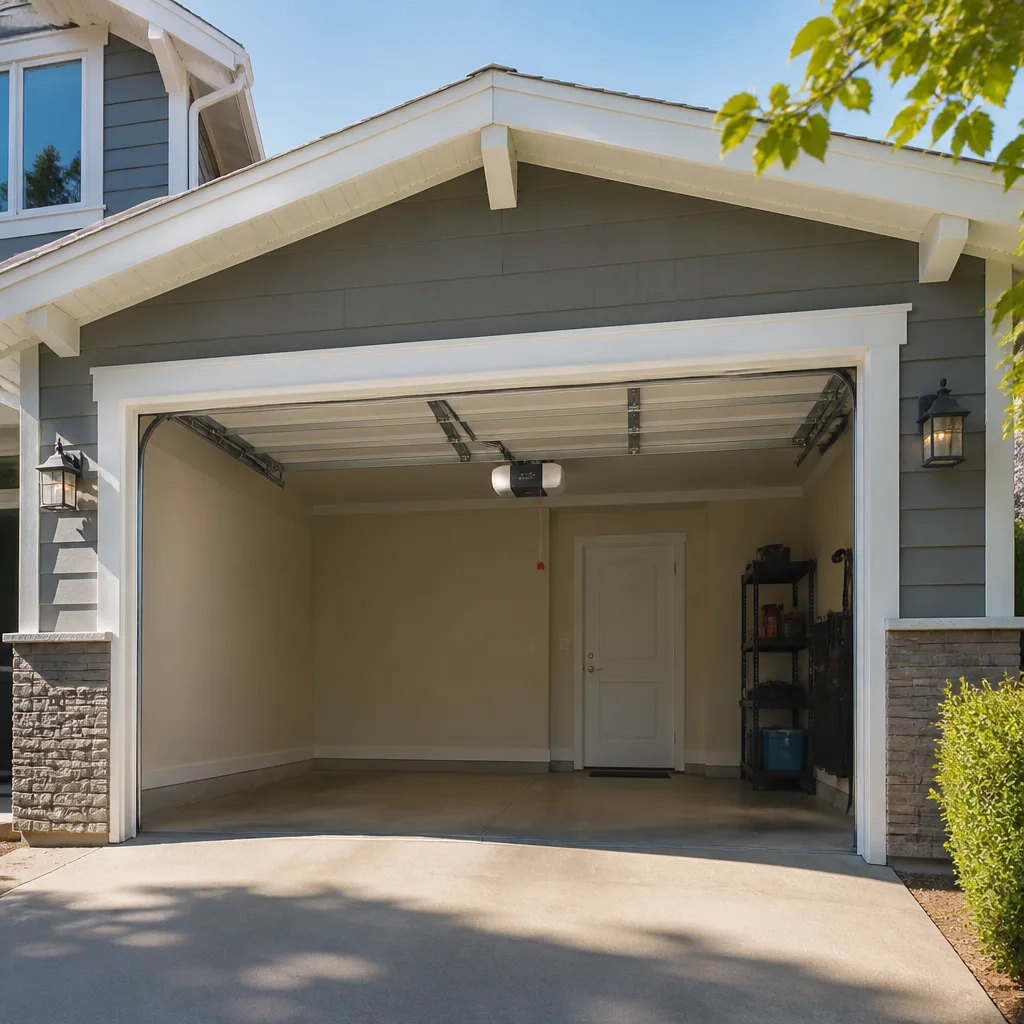 Chamberlain openers
Full 25-point door and opener safety check with every visit - springs, cables, rollers, tracks, and your LiftMaster or Chamberlain opener included
You get a price before we start. It does not change when the pro arrives.
Get your free estimateSeasonal Garage Door Care for Attleboro: Year-Round Homeowner’s Guide
The most common cause of garage door failure during Attleboro‘s January cold snaps isn’t the cold itself. It’s the lubricant you sprayed on in September, which by February has thickened into a sticky friction source instead of a smooth coating. That’s the pattern we see over and over: what you do in one season decides how the door behaves in the next. A door that gets the right attention in October sails through a January thaw. A door that gets ignored in April is the one calling for help by August. This guide walks you through a month-by-month care calendar built specifically for Attleboro’s climate, from freeze-thaw cycles to summer heat expansion, so you can stay ahead of the small problems before they become emergency calls.
Quick Answer
Seasonal garage door care in Attleboro means matching your maintenance tasks to the actual weather calendar, not a generic four-part checklist. The core work: lubricate moving parts with silicone (never petroleum-based) before winter, check the bottom seal and track alignment during freeze-thaw cycles, adjust or wait out panel movement in summer heat, and do a full inspection after every nor’easter or ice storm before you touch the opener. Do those four things and most emergency repairs never happen.
Styles & brands we work with
- Raised-panel steel
- Carriage house
- Modern flush
- Full-view glass
- LiftMaster openers
- Chamberlain openers
Table of Contents
- Why Winter Care Starts in October
- The Attleboro Month-by-Month Task Map
- Why Petroleum-Based Lubricants Fail Below 20°F
- Freeze-Thaw Cycles and the Bottom Seal Gap
- Summer Heat Expansion and Panel Alignment
- The Ten-Point Post-Storm Inspection
- Common Mistakes to Avoid
- When to Call a Professional
Why Winter Care Starts in October
By the time the first real cold arrives in Attleboro, the work that protects your door through winter is already done – or it isn’t. You can’t undo a bad lubricant choice in January. You can’t fix a cracked bottom seal once it’s frozen to the concrete. Every component that fails in a cold snap was already on a path to failure months earlier.
Here’s what’s actually happening: cold doesn’t break garage doors. Cold exposes everything you didn’t address. Metal contracts. Lubricants thicken. Rubber seals harden and lose their flex. Concrete slabs shift with frost heave and drop back as they thaw. A door that had a slightly loose track in October has a track that’s shifted out of tolerance by December, and the rollers start dragging. A torsion spring that was already near the end of its cycle count doesn’t have cold-weather tolerance built in, and it snaps.
The October prep window is genuinely important in this part of Massachusetts. Once the nightly temperatures start holding in the twenties and thirties, most of what you’d normally do becomes harder and less effective:
- Lubrication needs to be done while temperatures are still mild, so the product can settle evenly into hinges, rollers, and springs.
- Seal checks need nice weather because the rubber has to be flexible enough to inspect for cracks and compression.
- Balance tests need a functioning door that moves freely, not one already stiff from cold-thick grease.
- Hardware tightening on hinges and brackets is easier with warm, gloved hands and gives you a fresh baseline to check against mid-winter.
If you’re already behind, that’s fine – the important thing is starting now, before the worst of it. Our garage door repair team runs the same inspection we’d want you to run yourself, and knowing what we’re checking for is genuinely useful whether you call us or do it yourself.
The Attleboro Month-by-Month Task Map
A year-round care calendar tuned to Attleboro weather looks different from a generic spring/summer/fall/winter guide, because the work doesn’t cluster into four equal blocks. October and November carry more weight than any other two months. April and May are the cleanup months. July and August are the “leave it alone and watch” months.
Use this as a checklist. Print it, tape it to the inside of the garage, actually mark off the tasks.
- March: Inspect the bottom seal and threshold after the thaw. Check for water staining or gaps where melted snow pooled. Test the auto-reverse function (place a 2×4 flat on the floor under the closing door; if the door doesn’t reverse, stop and get it adjusted).
- April: Deep clean the tracks with a damp cloth (never solvent). Wipe out spring debris. Do a visual inspection of hinges, brackets, and the spring’s end plates. Look for any fresh rust on the track or hardware.
- May: Full balance test – disconnect the opener and manually lift the door to about waist height; it should stay there on its own. Re-lubricate everything with silicone. Tighten any hinge or bracket that shifts under hand pressure.
- June: Check the opener’s force setting and travel limits after the first hot week, because the panel alignment will shift slightly and the opener needs to accommodate it.
- July – August: Watch for panel alignment drift. Do not force adjustments in peak heat if the door is operating normally. Check the safety sensors at the base of the track for alignment.
- September: This is the pivot month. Lubricate every moving part with silicone. Test the balance again. Clear the bottom seal area of any debris. Inspect for cracks in the seal big enough to let cold air in.
- October: Full pre-winter inspection. Re-lubricate with the right product. Tighten all hardware. Verify the auto-reverse again. Check the weatherstripping around the door frame perimeter.
- November: One more balance and lubrication pass before the hard freezes. Confirm the bottom seal is making full contact with the floor.
- December – February: Reactive season. Do not add lubricant in freezing temperatures. If the door starts behaving differently, listen to it: grinding, squealing, or slow starting are all signals. Watch for ice formation along the bottom seal and break it up gently before operating.
The purpose of this map is to move most of your effort into the shoulder months so that December through February becomes a monitoring season, not a repair season. The garage door spring repair calls we get most often in January are for doors that had no October attention.
Why Petroleum-Based Lubricants Fail Below 20°F
Petroleum-based lubricants – the standard WD-40, most spray greases, motor oil, and anything labeled as a “penetrating lubricant” – are formulated to work in normal ambient temperature ranges. Below about 20°F, the lighter oils in the mix begin to congeal, and the grease base thickens into something closer to paste than liquid.
Attleboro regularly dips well below 20°F in January. That means a door lubricated with a petroleum product in September is running on paste by January. The hinges, rollers, and torsion spring don’t glide – they drag against a coating that was supposed to reduce friction and now creates it. You can hear it. The door gets louder, the opener cycles slower, and every bolt under the door starts working itself loose from the added vibration.
Silicone-based lubricants behave differently. Silicone doesn’t congeal at cold temperatures the way petroleum bases do; it stays effective across the range Attleboro throws at it. The right product for a garage door in this climate:
- Silicone spray or silicone grease on hinges, rollers, and torsion spring coils. Look for a product labeled specifically as a silicone lubricant.
- White lithium grease – acceptable in moderate temperatures but less reliable in deep cold; silicone is the better choice.
- Nothing on the tracks themselves. Tracks should be clean and dry. Lubricating tracks attracts dirt and makes rollers slip rather than roll.
What to skip entirely: WD-40 (the standard formula, not the silicone version) on hinges and springs, motor oil, and anything from a can with a “grease” label that doesn’t specify the base chemistry. It’s not that these products are bad. They’re just formulated for a different climate. Knowing this one fact about how your lubricant behaves at temperature is one of the highest-value pieces of Attleboro-specific garage door knowledge you can hold.
If your door is already showing the signs of cold-thickened lubricant, it’s not a disaster. A careful cleaning and re-lubrication with silicone will usually fix it. If the door has been running on paste all winter, though, wait for warmer weather before doing it, because applying anything new in freezing temps is a losing battle.
Freeze-Thaw Cycles and the Bottom Seal Gap
Attleboro’s winters are defined less by sustained cold than by cycling. You get a hard freeze, then a thaw above freezing, then another freeze. That cycle is harder on a garage door than steady cold, because each thaw lets water into places that then freeze solid, expand, and push things apart.
The bottom seal – the rubber strip along the bottom edge of the door, what most people call the weatherstripping at the floor – takes the worst of it. During a thaw, water pools along the base of the door or runs under the seal onto the concrete slab. When the temperature drops again, that water freezes and expands. Over repeated cycles:
- The seal cracks or tears, usually at the corners first.
- The concrete slab under the door can lift slightly from frost heave, creating a gap where the seal no longer makes contact.
- The door bottom itself – especially on steel doors – can show rust along the edge where moisture has been trapped.
- Ice dams form directly against the seal, which can freeze the door to the floor and burn out the opener’s motor when it tries to lift.
What compensates: the seal gap is adjustable in most cases. If your door bottom is leaving a visible gap in the warmer months, that gap will be worse in the winter. Before the first freeze, check the seal by standing inside the garage with the door closed and looking for daylight along the bottom. A small adjustment to the door’s travel limit or a fresh seal replacement is a much easier job in October than a frozen-door emergency in January.
For concrete floor shifting specifically – which is genuinely common in Attleboro’s older neighborhoods where garage slabs were poured decades ago – the fix is usually a new, slightly deeper seal rather than trying to fix the slab. A technician who knows the difference will save you money here. It’s one of the specific inspections we run on any Attleboro Garage Door Repair visit during the cold season.
Summer Heat Expansion and Panel Alignment
Steel garage doors expand in the heat. In a July or August heatwave, a steel panel door can move noticeably, and the panels that sat perfectly aligned in May may start to show visible gaps or a slightly skewed appearance by August. Homeowners in Attleboro see this most on west-facing doors that get hours of afternoon sun.
The instinct is to grab a wrench and adjust the track. Don’t – at least not yet. Here’s why: the “misalignment” you’re looking at in 95°F heat is often just normal expansion, and it’ll settle back into tolerance when temperatures drop. If you adjust the track to fit the expanded state, you’ve now created a door that’s out of tolerance in cooler weather, and the rollers will bind.
What to do instead:
- Watch for a few days. Note whether the door looks different in the morning compared to late afternoon. If the skew changes with the sun, it’s expansion – not a mechanical problem.
- Check the opener’s travel limits. If the door doesn’t fully close in heat, adjust only the opener’s force setting and travel limits, not the mechanical track.
- Listen for grinding or scraping. That signals a real alignment or hardware issue, not expansion. Scraping is worth a call.
- Wait for a cooler week before doing any mechanical adjustment to the tracks. A morning in October is the right time to fix track alignment; a July afternoon is not.
What to do if the door is genuinely binding in heat: it’s usually a loose hinge or bracket, not expanding panels. Tightening is safe. Adjusting the track geometry itself is a different job and does not respond well to guesswork.
If a summer adjustment is genuinely needed, that’s a conversation with a technician who can look at the door in the state it actually operates in and decide accordingly. Our garage door opener repair work addresses exactly this category of issue – the opener and the door are usually the joint problem.
The Ten-Point Post-Storm Inspection
After a nor’easter or any heavy ice storm in Attleboro, don’t operate the door until you’ve inspected it. Too many people lift the door the moment the storm lets up and find out the hard way that something was already damaged. The cost of the “I’ll just try it” reflex can be a snapped spring or a bent panel that costs far more than the inspection would have.
Walk out to the garage after the storm and work through this list before you touch the opener:
- Look at the tracks. Any visible bend, dent, or separation from the wall is a stop sign. Don’t run the door.
- Check for ice buildup along the bottom seal and in the tracks. Ice in a track can force rollers out during operation. Break it up gently – never chip at it with a metal tool.
- Inspect the bottom seal for tears or detachment. A storm can push snow and ice under the door and tear the seal from its channel.
- Look at the panels. Snow load or wind-driven debris can dent or partially cave a steel or aluminum panel. A dented panel with a compromised center is a structural issue.
- Examine the spring. A visible gap in the torsion spring (for a torsion system) or an obviously distended extension spring means the spring has failed. Stop and call us. Springs under tension are dangerous to handle.
- Test the balance manually. With the opener disconnected (pull the manual release cord), lift the door slowly by hand to about waist height. It should stay there without falling. If it drops, the spring or counterbalance has been compromised.
- Check the hinges and brackets for cracks or visible movement. Grab each hinge with your hand and wiggle it – it shouldn’t move.
- Inspect the cables for fraying, kinks, or detachment from their drums. Do not touch a cable that’s visibly under tension or damaged. This is a hard stop.
- Check the weatherstripping around the door frame. Storm-driven wind can tear it loose, and a compromised frame seal lets freeze-thaw damage start immediately.
- Verify the safety sensors. Look at the two small sensor units at the base of the tracks. Confirm they’re still aimed at each other (the small indicator light on each should be steady), and clear any snow or ice from them.
If anything on this list fails, don’t run the door. Call us. We answer 24/7 and book calls within our regular Sunday-through-Friday, 7am-to-7pm dispatch window. For a post-storm inspection, that’s often the cheapest call you’ll make all year.
Common Mistakes to Avoid
- Using WD-40 as a garage door lubricant. The standard formula is a penetrating oil, not a lubricant. It dries out hinges and contributes to the sticky-paste problem in cold weather. Use silicone on all moving parts and leave the WD-40 in the toolbox.
- Lubricating the tracks. Tracks are supposed to be clean and dry. Grease or spray on the tracks attracts dirt and grime, which makes rollers slip instead of roll, which wears both.
- Adjusting track alignment in summer heat. An apparent misalignment in July is usually just steel expansion. Adjusting then creates a door that’s out of tolerance in October. Wait for cool weather.
- Ignoring the bottom seal from October to April. Attleboro’s freeze-thaw cycles punish a compromised seal all winter. A small check in October saves a bigger job in February.
- Running the door after a storm without inspecting. The ten-point checklist exists for a reason. If a cable has frayed or a spring has snapped, the door isn’t safe to operate. Five minutes of inspection prevents an injury or a much bigger repair.
- Doing spring or cable work yourself. Torsion springs under tension can cause serious injury if handled without the right tools and training. This is the one piece of garage door care we’d genuinely rather you didn’t attempt. Leave it to a trained technician.
- Choosing a lubricant based on price. A $4 can of generic spray isn’t a bargain if it has to be re-done in January. A silicone-based product costs a little more and works all winter.
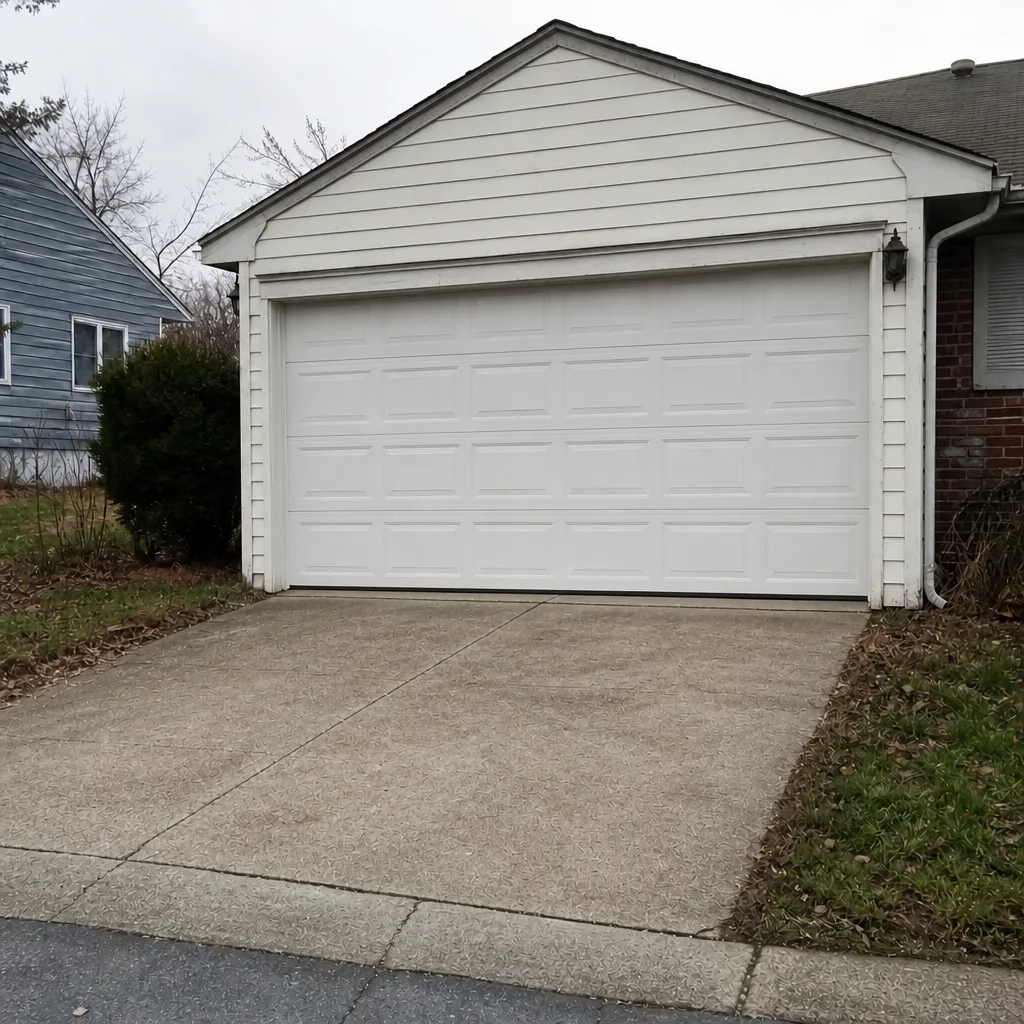
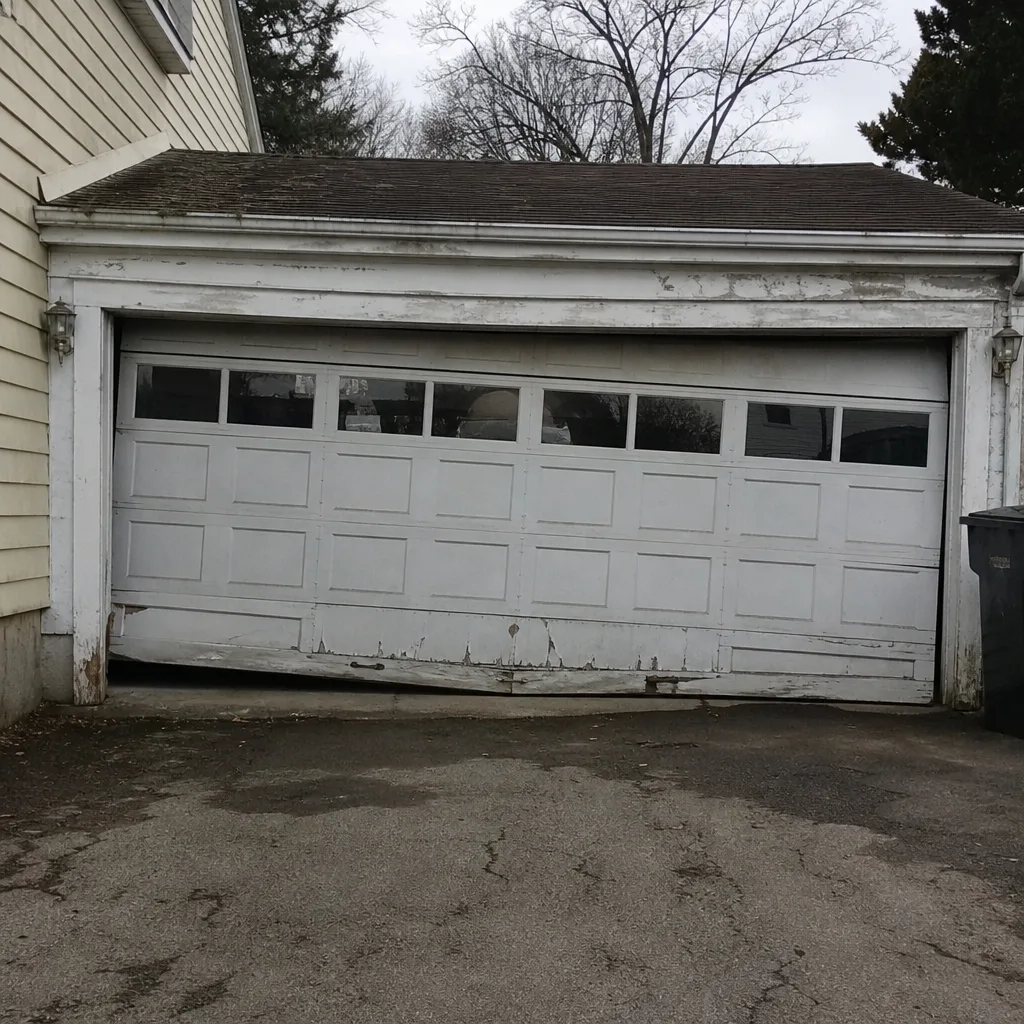
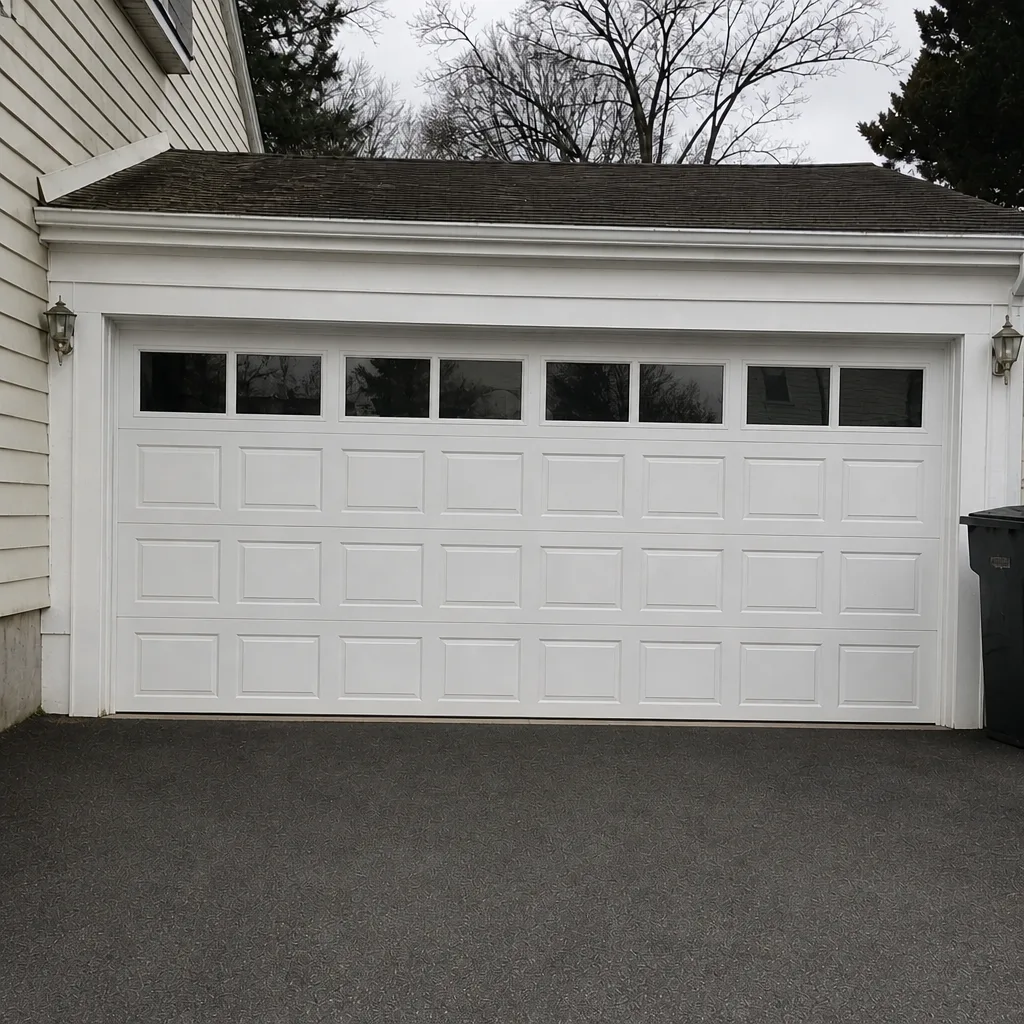
See the difference
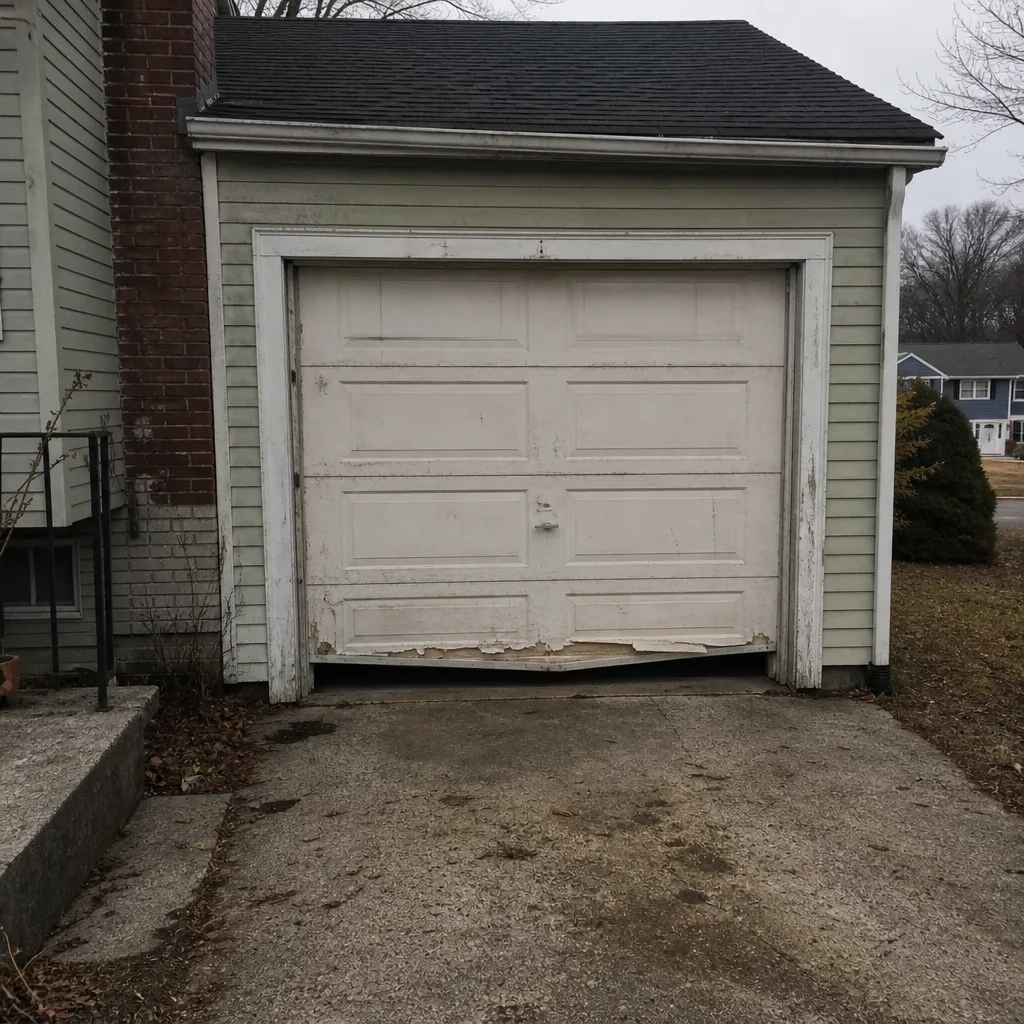 Before
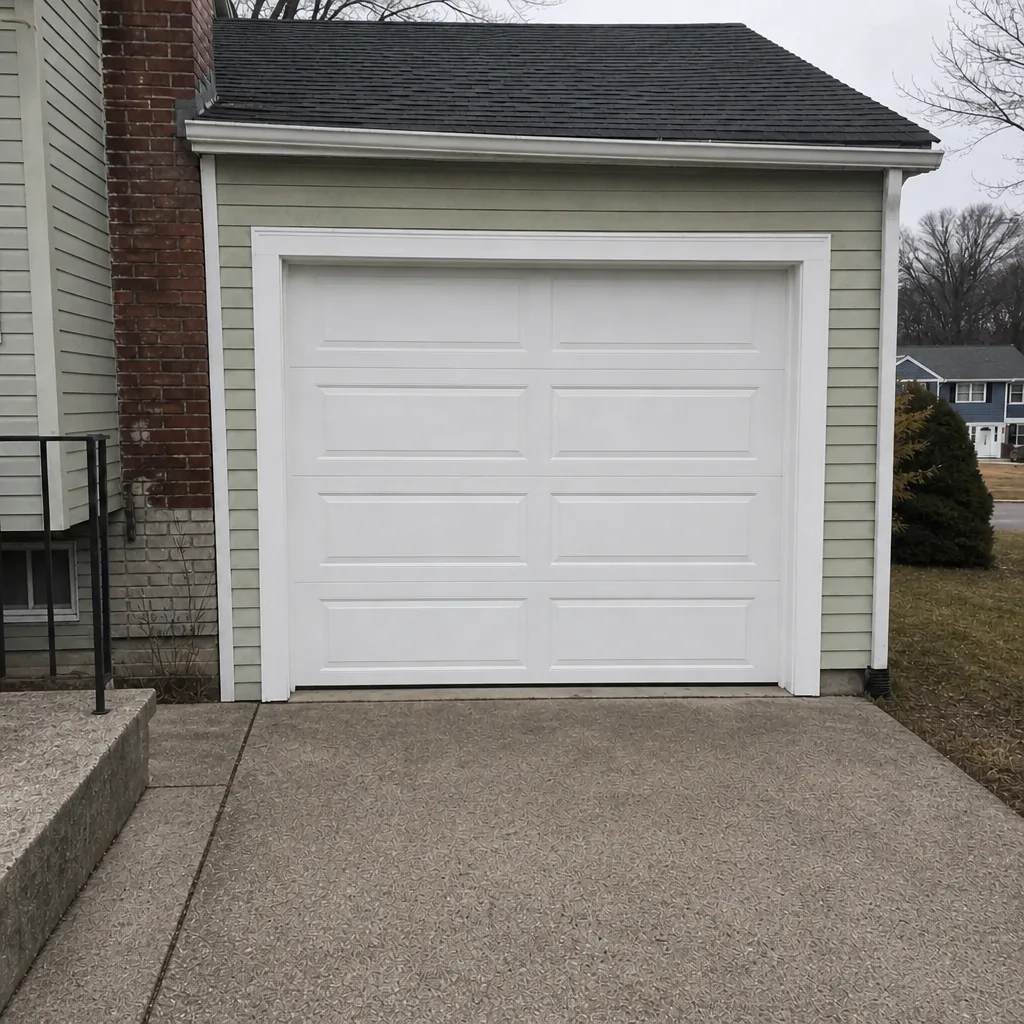 After
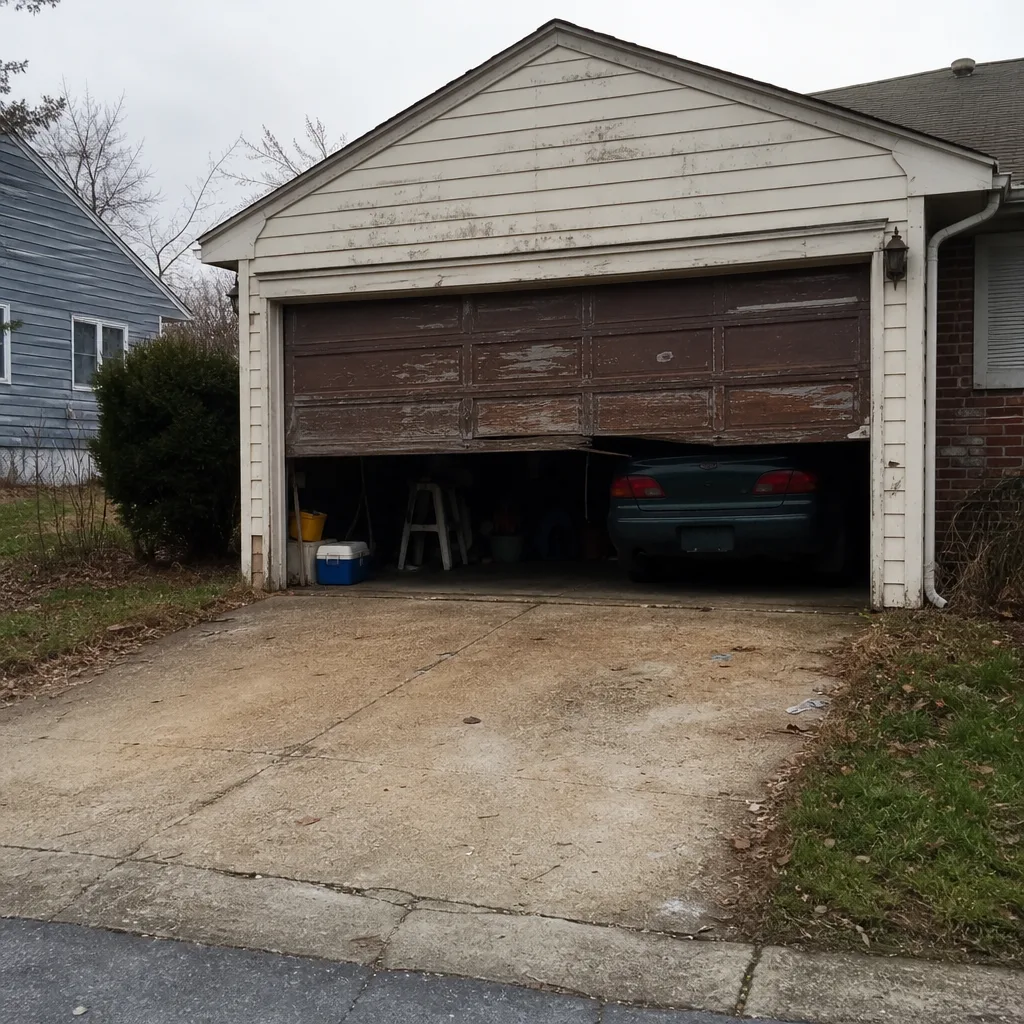 Before
 After
 Before
 After
When to Call a Professional
Most seasonal care can be handled by a homeowner with a spray can of silicone and 20 minutes. Call a professional for anything involving the torsion spring, the cables, the track adjustment, or the opener’s internal settings. Those four categories carry real risk of injury or are hard to diagnose accurately without the right tools. Also call if you see a door that has stopped operating normally and you can’t figure out why after cleaning and checking the obvious things – grinding, slow operation, uneven panels, or opener lights flashing in a pattern that doesn’t match the manual.
Our technicians have up to 9 years of experience and work on all eight of the major garage door brands – LiftMaster, Chamberlain, Genie, Clopay, Amarr, Wayne Dalton, Craftsman, and Raynor – which means we walk in already knowing your equipment, not learning it on-site. We also handle emergency calls as part of the core service, not an add-on. If a spring snapped or a door is stuck, you don’t have to wait for a regular appointment slot. Attleboro Garage Door Repair offers free estimates in Attleboro – call (855) 268-3636. We answer 24/7. Fast dispatch from 7am to 7pm, Sunday through Friday.
Frequently Asked Questions
Twice a year – once in the spring (April or May) and once in the fall (September or October). The fall application is the more important of the two because it has to last through the cold months. Silicone-based products are the right choice in this climate. Call (855) 268-3636 for an exact quote on a lubrication-or-repair visit – estimates are free.
Usually, no – the cold is exposing a lubricant that has thickened. If you used a petroleum-based product in the fall, that’s the likeliest cause. Don’t add more lubricant in freezing temperatures; wait for a mild day or call us to have it cleaned and re-lubricated properly. Call (855) 268-3636 – estimates are free.
The bottom seal is a replaceable part, and replacement is a small, straightforward job. The door itself does not need to be replaced because of a bad seal. Seal replacement typically runs somewhere in the range of a standard service call, and the written estimate sets the final price. Call (855) 268-3636 – estimates are free.
Not stop working, but it may operate slightly differently. Steel expands in heat, which can shift panel alignment by a small amount. If the door still closes fully, don’t adjust the tracks in summer heat – wait for cooler weather. If it doesn’t fully close or the opener strains, that’s a real adjustment issue. Call (855) 268-3636 – estimates are free.
Not before inspecting it. Work through the ten-point checklist first: tracks, ice buildup, bottom seal, panels, spring, balance, hinges, cables, weatherstripping, and safety sensors. If anything fails, don’t run the door. Call (855) 268-3636 – we answer 24/7 and book calls into the next opening, Sunday through Friday, 7am to 7pm.
Using the wrong lubricant in the fall and then wondering why the door is stiff in January. The second-biggest is skipping the post-storm inspection and running a door that’s been damaged without knowing it. Both are avoidable with a little attention. Call (855) 268-3636 for a free estimate – we can do the seasonal inspection for you.
The Bottom Line
Attleboro’s four seasons demand four different mindsets, not one checklist recycled four times. What you do in October decides how the door behaves in January. What you skip in April shows up as a repair bill in August. The core habits are simple: use silicone lubricant, never petroleum-based; check the bottom seal before every freeze; leave track alignment alone in summer heat and adjust it in cool weather; and run the ten-point inspection after every storm before you touch the opener. Our technicians have up to 9 years of experience working with every major brand – LiftMaster, Wayne Dalton, Craftsman, Raynor, and the rest – so when we do come out, we already know your equipment. Call (855) 268-3636 for a free estimate and a seasonal inspection. We answer 24/7. Fast dispatch from 7am to 7pm, Sunday through Friday.
Written by the team at Attleboro Garage Door Repair.