
Last updated November 23, 2026
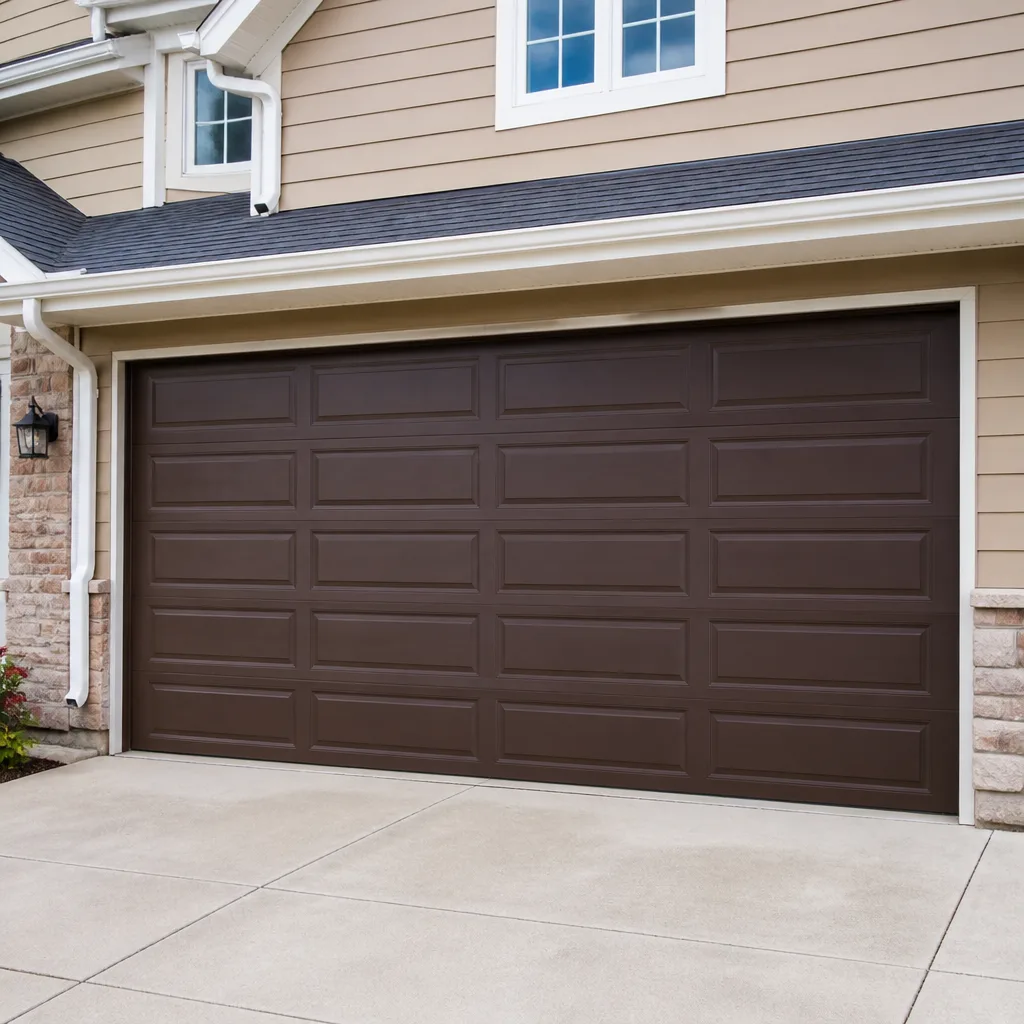 Raised-panel steel
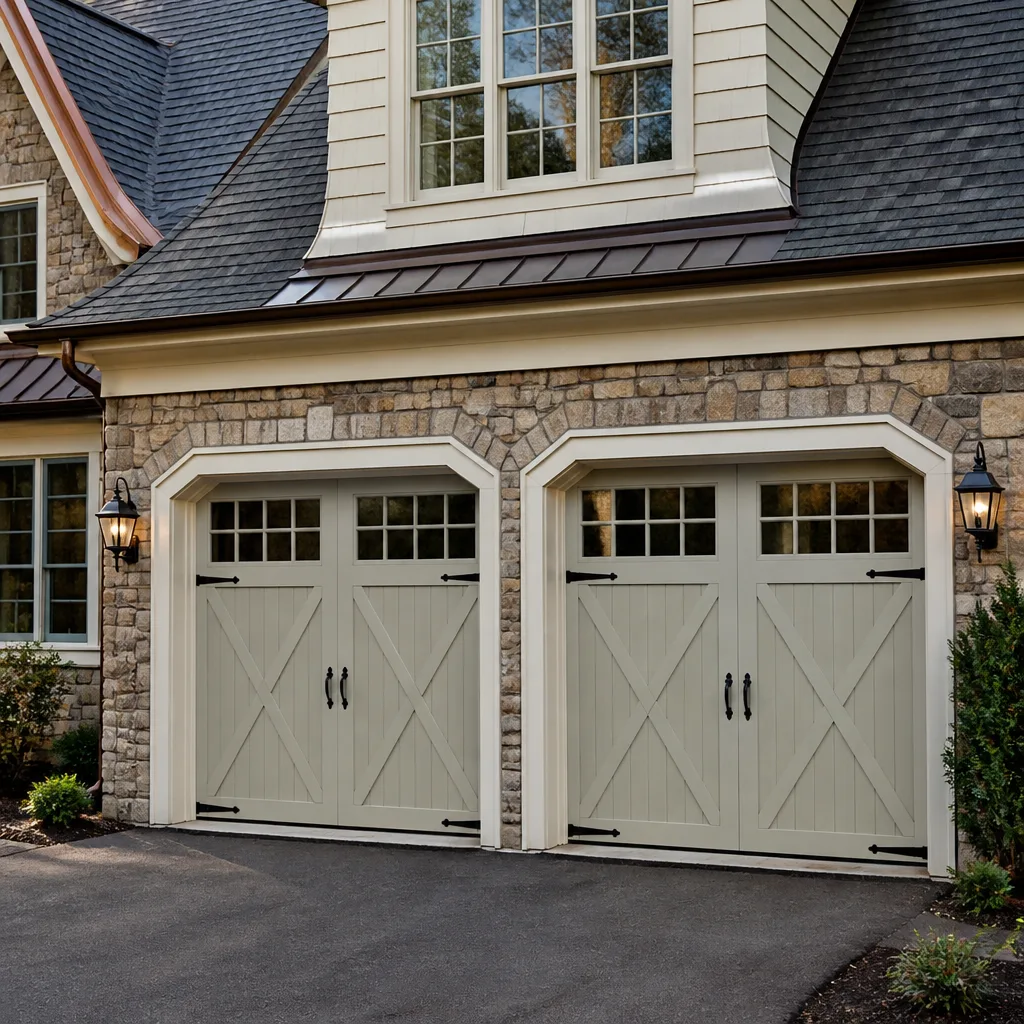 Carriage house
 Modern flush
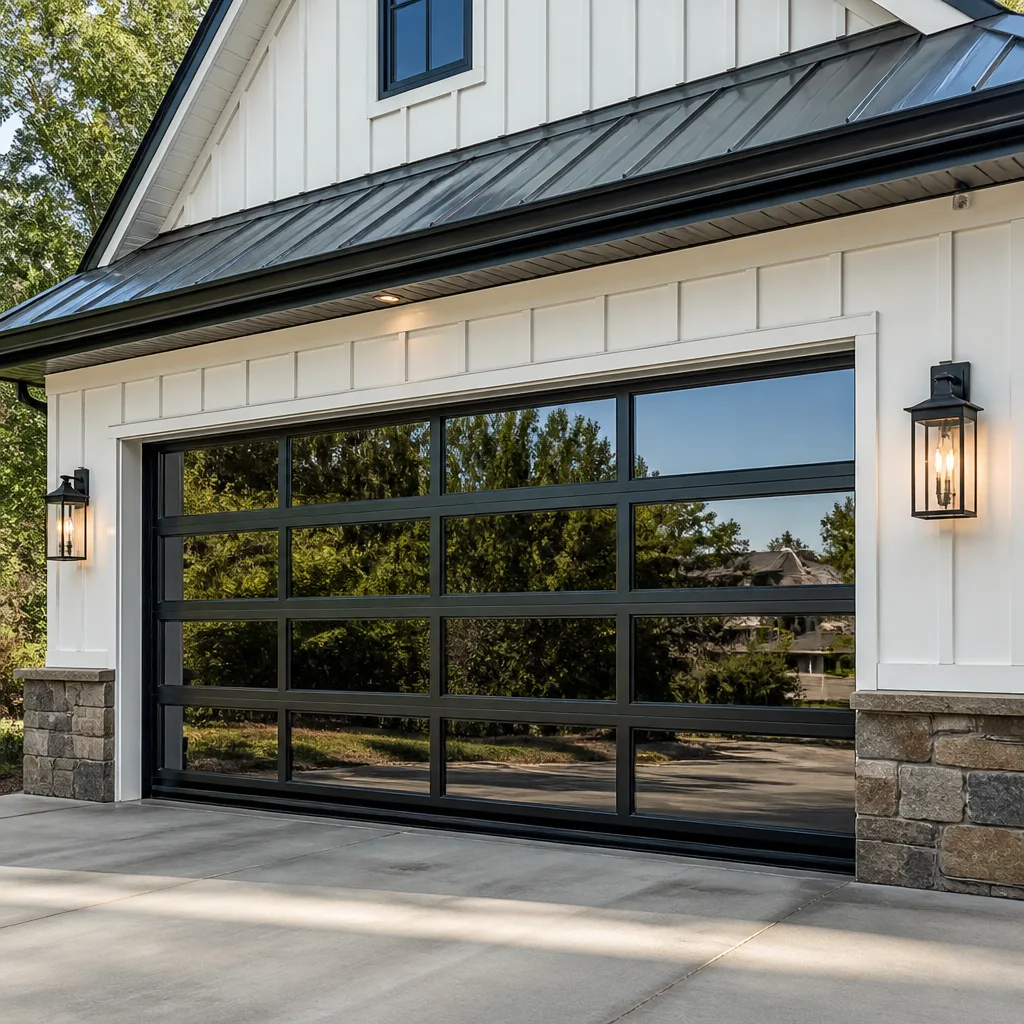 Full-view glass
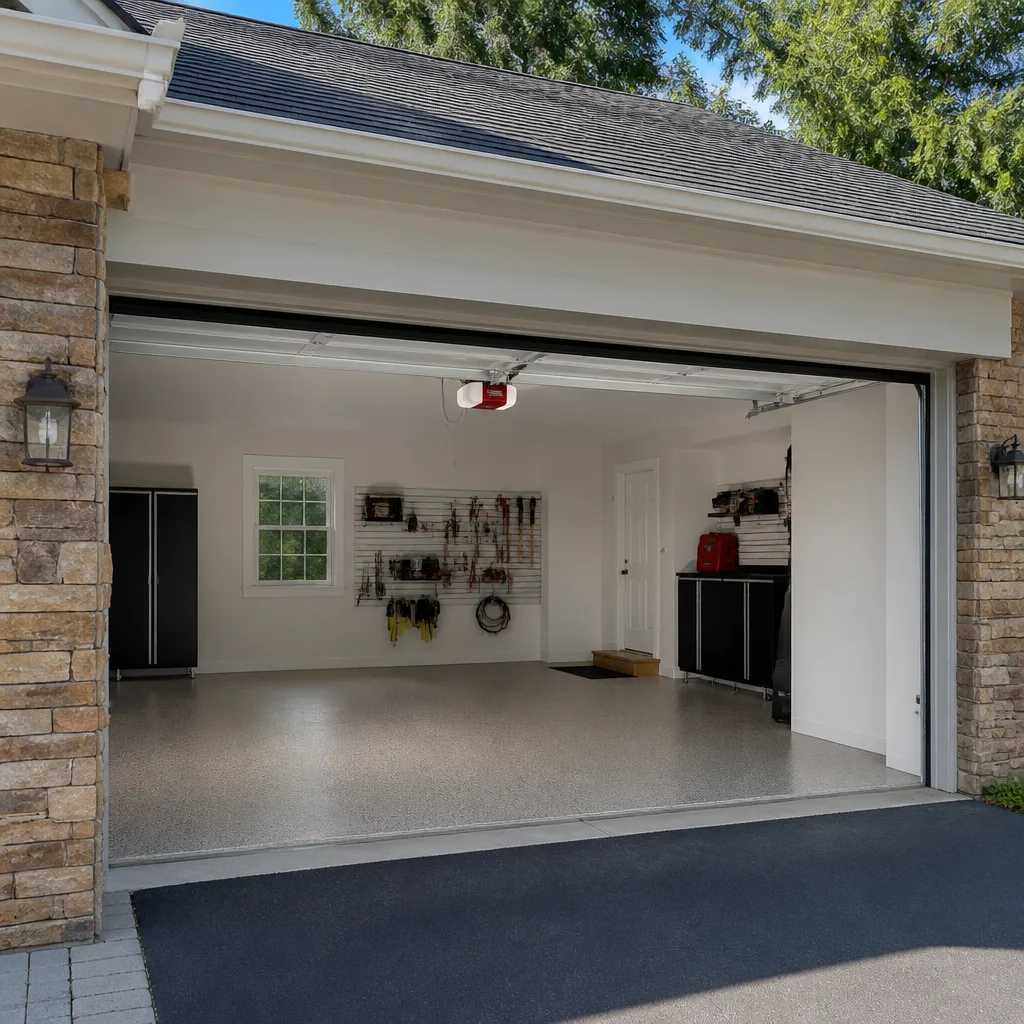 LiftMaster openers
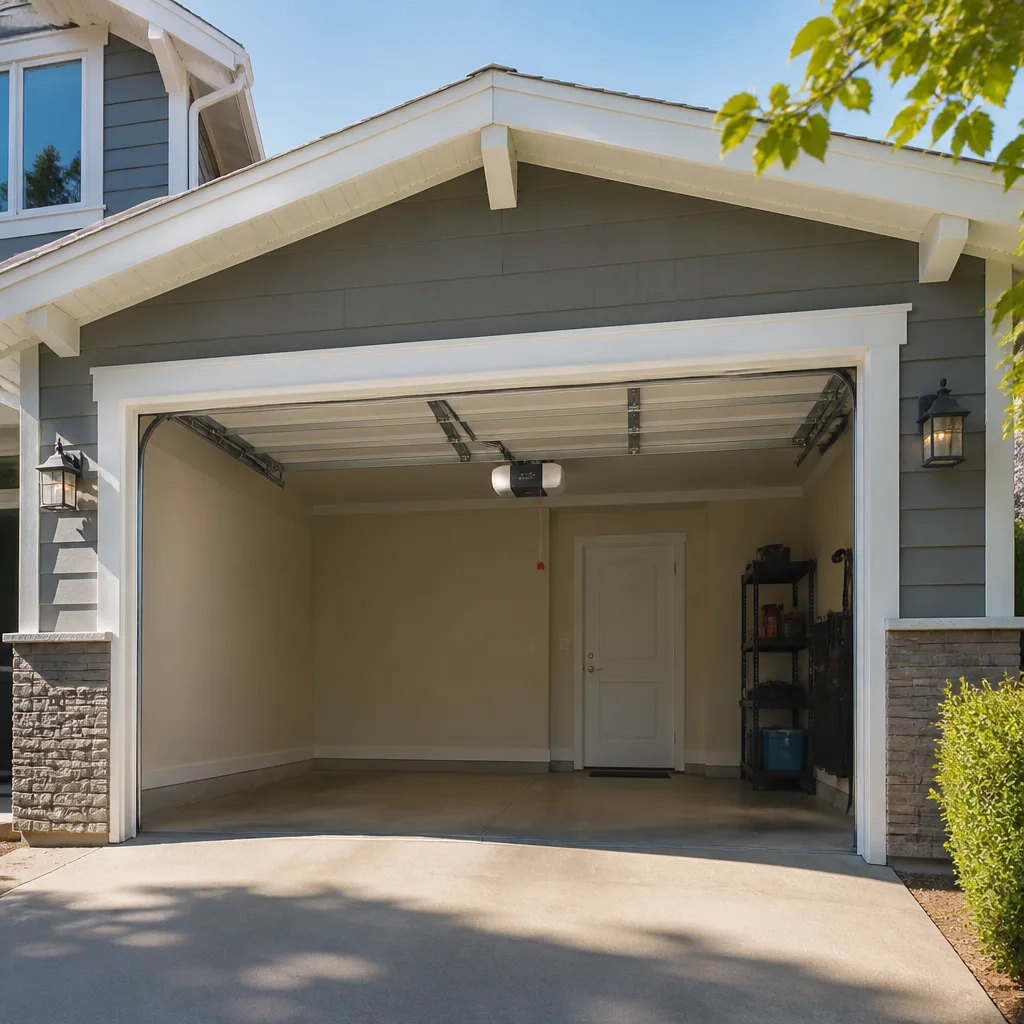 Chamberlain openers
Full 25-point door and opener safety check with every visit - springs, cables, rollers, tracks, and your LiftMaster or Chamberlain opener included
You get a price before we start. It does not change when the pro arrives.
Get your free estimateDIY vs Professional Garage Door: The Attleboro Homeowner’s Decision Guide
Most DIY debates about garage doors get the question wrong. They frame it as a skill contest: are you handy enough, confident enough, brave enough? That’s the wrong axis entirely. A wound torsion spring holds enough stored energy to take a finger or break a wrist in a fraction of a second, and that risk doesn’t shrink because you watched three videos and own a good socket set. But painting your door, swapping a bottom seal, and reprogramming a LiftMaster remote are all legitimate do-it-yourself work that nobody puts in the same sentence as spring repair. The real split is task by task. This guide walks through that split for Attleboro homeowners, from the genuinely safe jobs to the ones that carry injury risk no matter how careful you are.
Quick Answer
Some garage door work is safe to do yourself and some is dangerous no matter how experienced you are. Painting, cleaning, lubricating, replacing weather seals, adjusting photo-eyes, and reprogramming remotes are reasonable DIY tasks. Torsion springs, extension springs, cables, drums, and anything involving the door coming off its tracks should be handled by a trained technician. In Attleboro, the honest calculation usually comes down to which category the job falls into, not how confident you feel.
Styles & brands we work with
- Raised-panel steel
- Carriage house
- Modern flush
- Full-view glass
- LiftMaster openers
- Chamberlain openers
Table of Contents
- What’s genuinely safe to do yourself
- What’s physically dangerous regardless of experience
- Massachusetts liability, disclosure, and resale
- The real time and tool cost of DIY
- How DIY mistakes affect your warranty
- When “just check my work” costs more than hiring first
- Common mistakes to avoid
- When to call a professional
What’s Genuinely Safe to Do Yourself
Plenty of garage door maintenance is well within reach for an Attleboro homeowner with a free afternoon and a basic toolkit. None of it involves the springs, cables, or the door’s counterbalance system. All of it improves how the door looks, sounds, and seals against the weather.
Here’s the short list of tasks we’d tell a neighbor to go ahead and handle:
- Painting or staining the door. Prep work and paint are cosmetic. You can work at your own pace without any stored-energy risk.
- Replacing the bottom seal or weatherstripping. A worn bottom seal lets cold air and moisture into the garage. A new one slides into the retainer and costs very little.
- Cleaning and lubricating hinges, rollers, and tracks. A silicone-based lubricant on the moving metal parts quiets a noisy door and reduces wear.
- Reprogramming remotes and keypads. Whether you have a LiftMaster or a Craftsman opener, the manual walks you through it in a few minutes.
- Aligning photo-eye sensors. If the door reverses on its own, a misaligned or dirty safety sensor is often the cause. Wipe the lens, check the bracket, and confirm the indicator light is steady.
- Testing the auto-reverse feature. Place a roll of paper towels under the door and close it. The door should reverse on contact. If it doesn’t, stop and call a technician.
- Tightening exposed bolts on the door panels. Vibration loosens hardware over time. A quick pass with a wrench is fine.
None of these touch the parts under tension. That’s the dividing line. If your project stays on the safe side of it, DIY makes sense. We tell Attleboro homeowners this all the time: cosmetic and seal work is where the honest savings live.
What’s Physically Dangerous Regardless of Experience
Some garage door components store enough energy to injure you the instant something slips. Torsion springs, extension springs, and the cables that run through them are the ones that matter. A torsion spring wound for a standard door holds hundreds of pounds of force. When it fails during handling, it doesn’t fail slowly.
The components we would never recommend for a homeowner:
- Torsion springs. Winding bars are the tool of the trade, and a slip while winding can break a hand or worse. This is a job for someone who’s done it a hundred times.
- Extension springs. Less dramatic than torsion, but still stored energy. If the safety cable is missing or broken, a failed spring can fly across the garage.
- Lift cables. A cable under tension that snaps can whip with enough force to cut through clothing and skin.
- Drums and bearing plates. These hold the cables in place and carry spring tension. Loosening them incorrectly releases the whole system.
- Track realignment when the door is off the rails. A door hanging by one side is under load you can’t see. It can come down or swing out.
- Replacing the door itself. A single-car door weighs well over a hundred pounds, and the panel edges are razor-thin. Two people with the wrong technique can get hurt fast.
We’re not saying this to sell a repair. We’re saying it because we’ve seen what happens when a homeowner with good intentions and a set of locking pliers tries to release a torsion spring. The injury risk doesn’t shrink with confidence. If a job touches the springs, cables, drums, or counterbalance, that’s where garage door spring repair starts and where DIY ends.
Massachusetts Liability, Disclosure, and Resale
Garage door work can affect more than your knuckles. If you’re a homeowner in Attleboro and you plan to sell within the next few years, what you do or don’t disclose about repairs matters. Massachusetts real estate transactions typically include a seller’s statement of condition, and most standard forms ask about known defects and recent repairs. A garage door that was fixed improperly and left with an unsafe condition is the kind of thing that can surface during a buyer’s inspection, at the worst possible moment in the deal.
A few practical points Attleboro homeowners should keep in mind:
- Keep records of any professional work. A written estimate and a receipt from a licensed technician are documentation you can show a buyer, an inspector, or an insurer.
- Know what “licensed and insured” actually means here. The local professional you hire should be licensed and insured as Massachusetts requires for their trade. If you do the work yourself, that coverage doesn’t extend to you or anyone helping you.
- Understand your homeowner policy’s limits. Policies vary, and some exclude injuries to the homeowner or damage caused during unpermitted mechanical work. If you’re unclear, call your agent before you start.
- Note that door replacement typically requires a permit. Most cities require a permit for a full door replacement, so ask Attleboro’s building department before scheduling the work. DIY spring swaps generally don’t trigger a permit, but an improperly installed door can fail a buyer’s inspection later.
- Document the condition at the time of sale. A professional inspection report on the garage door is a low-cost way to close a gap in the seller’s statement of condition.
The resale conversation isn’t about scare tactics. It’s about knowing that a garage door repair left undocumented or improvised can become a question on a disclosure form or an inspector’s report. When it does, the paperwork a professional leaves behind is worth more than the money saved. If you’re thinking about a new door, garage door repair is often the better first call – especially if only one panel or the hardware is the real problem.
The Real Time and Tool Cost of DIY
The “save money” math on DIY ignores what your time is worth and what tools you actually need. Here’s an honest breakdown of the most common DIY tasks in Attleboro, from a homeowner with average tools and no prior garage door experience:
| Task | Realistic Time | Tools Needed | Tool Cost (if you don’t own them) |
|---|---|---|---|
| Paint a two-car door | 6-8 hours across two afternoons | Brushes, roller, drop cloths, primer, exterior paint | Paint and supplies typically run $80-$200 depending on door size and finish |
| Replace bottom seal | 1-2 hours | Utility knife, screwdriver, replacement seal | Seal runs roughly $20-$50 |
| Lubricate hinges, rollers, tracks | 30-45 minutes | Silicone spray, rag | Around $10-$15 |
| Reprogram remote and keypad | 10-20 minutes | Manual, ladder | Nothing if you have the manual |
| Align photo-eyes | 30-60 minutes | Screwdriver, maybe a level | $0 if the brackets are intact |
| Tighten hardware | 20-30 minutes | Socket set or wrench | $0 for most homeowners |
For the safe tasks, the money math checks out. For the spring and cable jobs, the tool list alone (winding bars, proper clamps, a second pair of hands) usually costs more than having the job done correctly, and that’s before you factor in the injury risk. If you’re not sure which category your repair falls into, garage door opener repair is the phone call that sorts it out, whether the problem turns out to be the opener or the door itself.
How DIY Mistakes Affect Your Warranty
Door manufacturers write their warranties around proper installation and service by qualified technicians. When a homeowner replaces a spring or disconnects a cable and the door then fails, most manufacturers will decline the warranty claim because the repair was outside the terms. That means a mistake can leave you paying for parts you thought were covered.
Here’s what typically happens when a DIY spring or cable repair goes wrong, in the order it happens:
- The spring is replaced with the wrong size or wire gauge. Torsion springs come in matched pairs with specific cycle ratings. A “close enough” replacement might work for a few weeks and then fail prematurely, often damaging the door or opener in the process.
- The safety cable is left off an extension spring. A missing safety cable usually isn’t visible until a spring breaks and causes damage elsewhere. When it does, the warranty claim is refused, and the homeowner is left with a bill for the door plus the original spring.
- The door is left unbalanced. An unbalanced door strains the opener motor. On a LiftMaster or Chamberlain system, that shows up as premature wear on the drive gear and a shorter opener life.
- The warranty void is discovered during a later repair. When a technician arrives and sees the signs of a DIY spring swap, the manufacturer won’t cover subsequent failures. The homeowner ends up paying for the fix and, if the door is damaged, for a replacement.
Repairing the consequences of a DIY mistake can cost more than the original repair would have. For a Raynor or Wayne Dalton door, the manufacturer’s terms are strict about who touches the counterbalance system. If the door is still under warranty and the springs are the issue, that’s the moment to hand it to a trained technician.
When “Just Check My Work” Costs More Than Hiring First
We get this call regularly in Attleboro. A homeowner replaced a spring, adjusted the cable, or installed a new opener, and now they want someone to confirm it’s all fine. Nine times out of ten, the follow-up visit costs more than the original repair would have because the first attempt left the door in a worse starting position.
Why does that happen? A few patterns come up over and over:
- The door is out of balance and needs to be re-tensioned from scratch. If the original spring was wrong-gauge, the technician has to remove it, order the correct spring, and start over. That’s two visits and a parts markup versus one.
- The opener has been run against a misaligned door for weeks. The motor has already been strained. That turns a $150 opener fix into a full replacement.
- A panel has bowed from unbalanced operation. There’s no way to un-bow a dented panel. The door has to be replaced or the panel ordered.
- The tracks are bent from a door that jumped. That’s not a “check my work” job anymore. That’s a real repair.
The way to avoid this is simple: if you’re even slightly unsure whether a job falls into the safe or dangerous category, get a quote first. A free estimate costs nothing. A correction after a failed attempt usually does. If the door is completely stuck, the safer option is to call us; we answer 24/7 and fast dispatch runs 7am to 7pm, Sunday through Friday, so a technician can get eyes on it before a small problem becomes an expensive one.
Common Mistakes to Avoid
- Trying to wind a torsion spring without winding bars. Locking pliers and Vise-Grips are not a substitute. If the spring slips, the tool and your hand go with it. Even experienced technicians treat this as the most dangerous part of the job.
- Disconnecting cables to “reset” the door. Lift cables are under tension even when the door is down. Loosening the drum or the cable can cause it to whip. This is where most serious garage door injuries happen.
- Skipping the safety cable on extension springs. If the door has extension springs, check that each one has a steel safety cable running through the center. If it’s missing, that’s a call-us-now situation, not a weekend project.
- Painting over the photo-eye sensors or the bottom seal. Paint blocks the safety sensor lens and makes the seal brittle. In Attleboro where the seasons swing hard, a painted seal cracks faster than an untreated one.
- Assuming “same weight” means “same spring.” Two springs of the same length can have different wire gauges and cycle ratings. A wrong-gauge spring drops the door’s lifespan and can damage the opener within a few months.
- Ignoring a door that reverses too easily or too late. The auto-reverse is a safety feature, and it should be tested monthly. If the door doesn’t reverse on contact with an object, stop using it until it’s checked.
- Running the opener against a door that’s already struggling. If the door needs a shove to close, or the opener strains audibly, stop cycling it. Every cycle is doing more damage to the motor and the door panels.
When to Call a Professional
Call a technician when the job touches the spring, cable, drum, or counterbalance system. Call when the door is off its tracks, hanging unevenly, or reverses without contact. Call when the opener is straining or making a sound it didn’t make last month. And call when you’re not sure whether the problem is the door or the opener, because the diagnosis matters more than the repair.
Attleboro Garage Door Repair offers free estimates in Attleboro. Call (855) 268-3636. We answer 24/7. Fast dispatch from 7am to 7pm, Sunday through Friday. We work on equipment from LiftMaster, Chamberlain, Genie, Clopay, Amarr, Wayne Dalton, Craftsman, and Raynor, and our technicians have up to 9 years of experience. One call covers diagnosis, parts, and installation, so you don’t need to coordinate between an installer and a repair tech.
See the difference
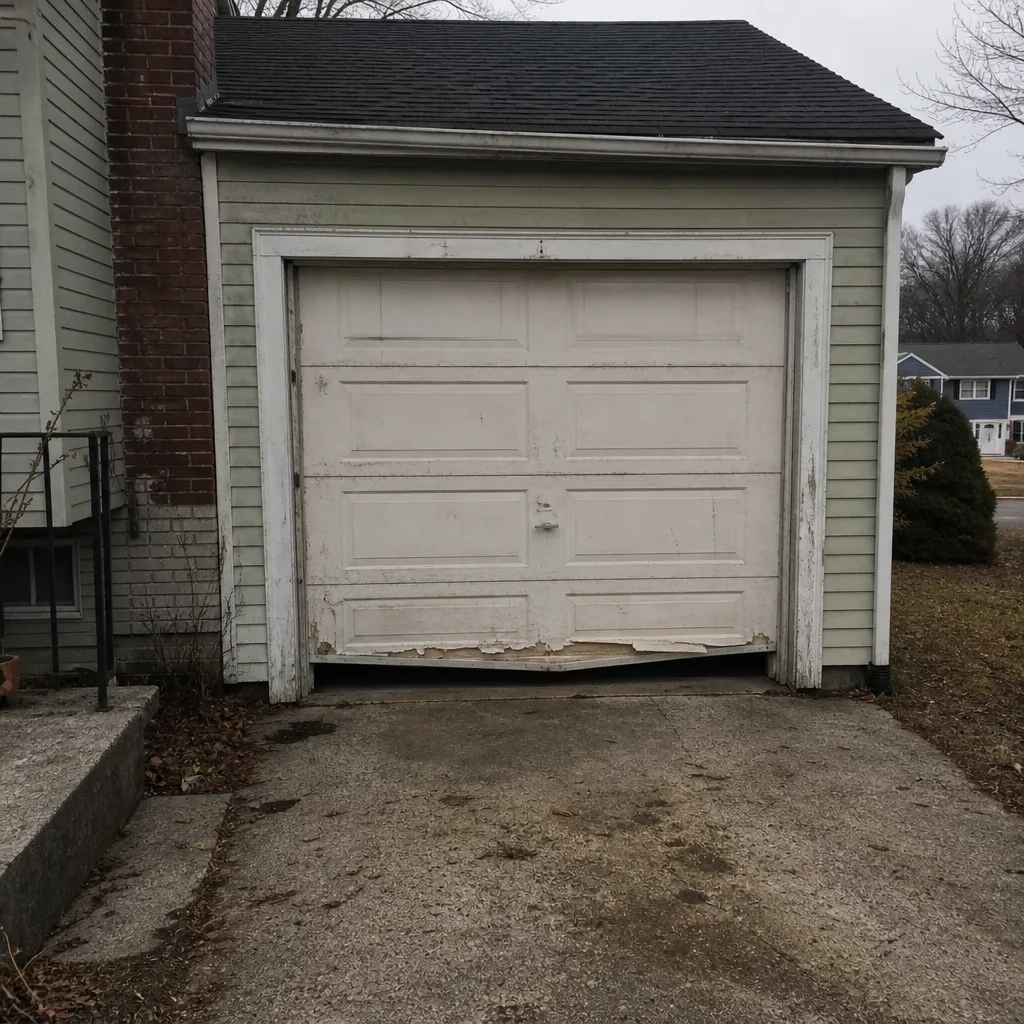 Before
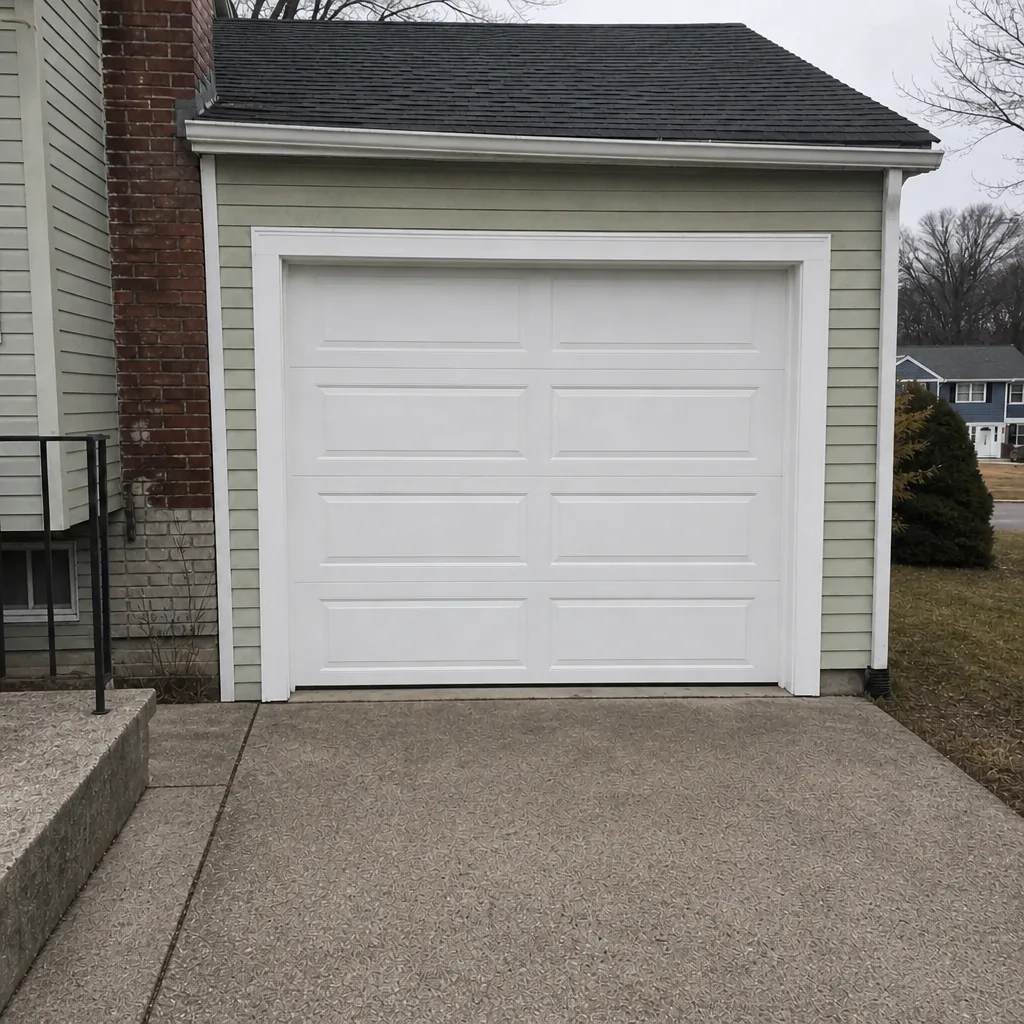 After
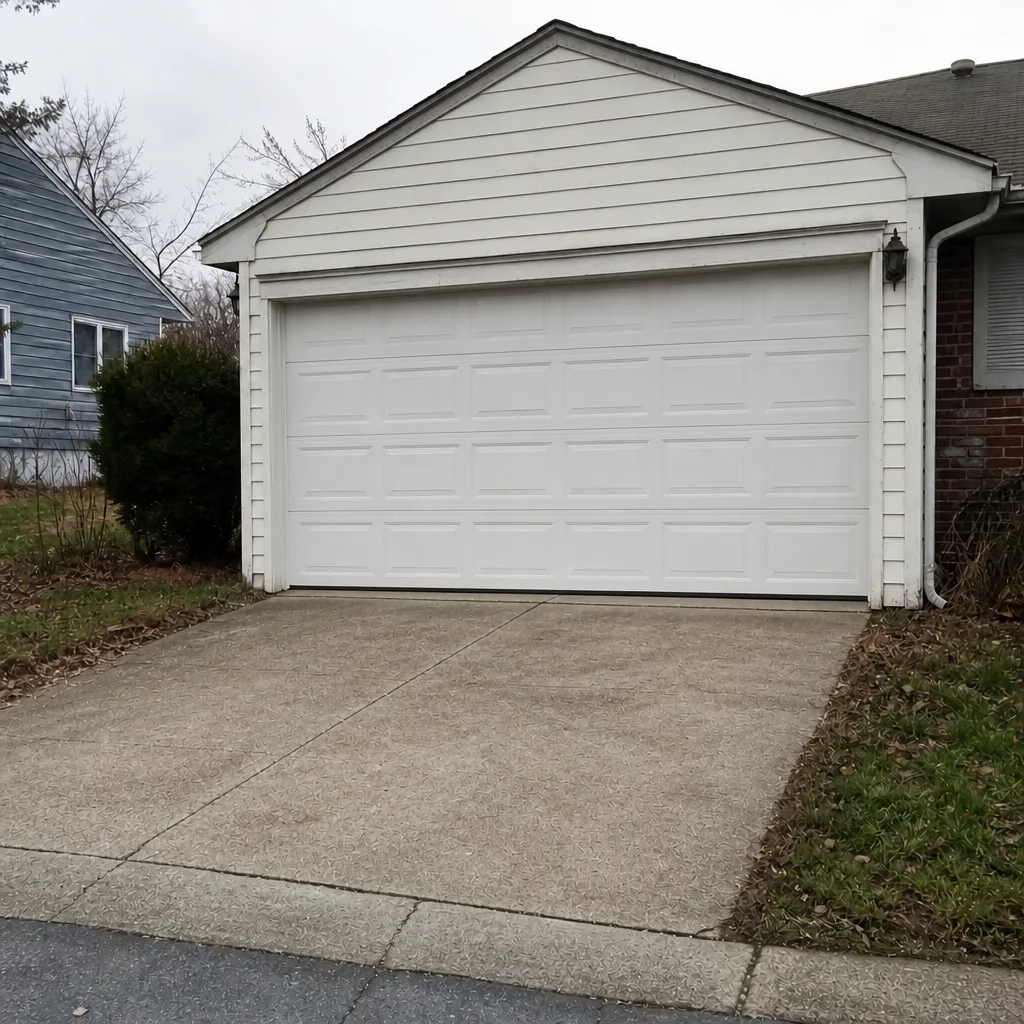
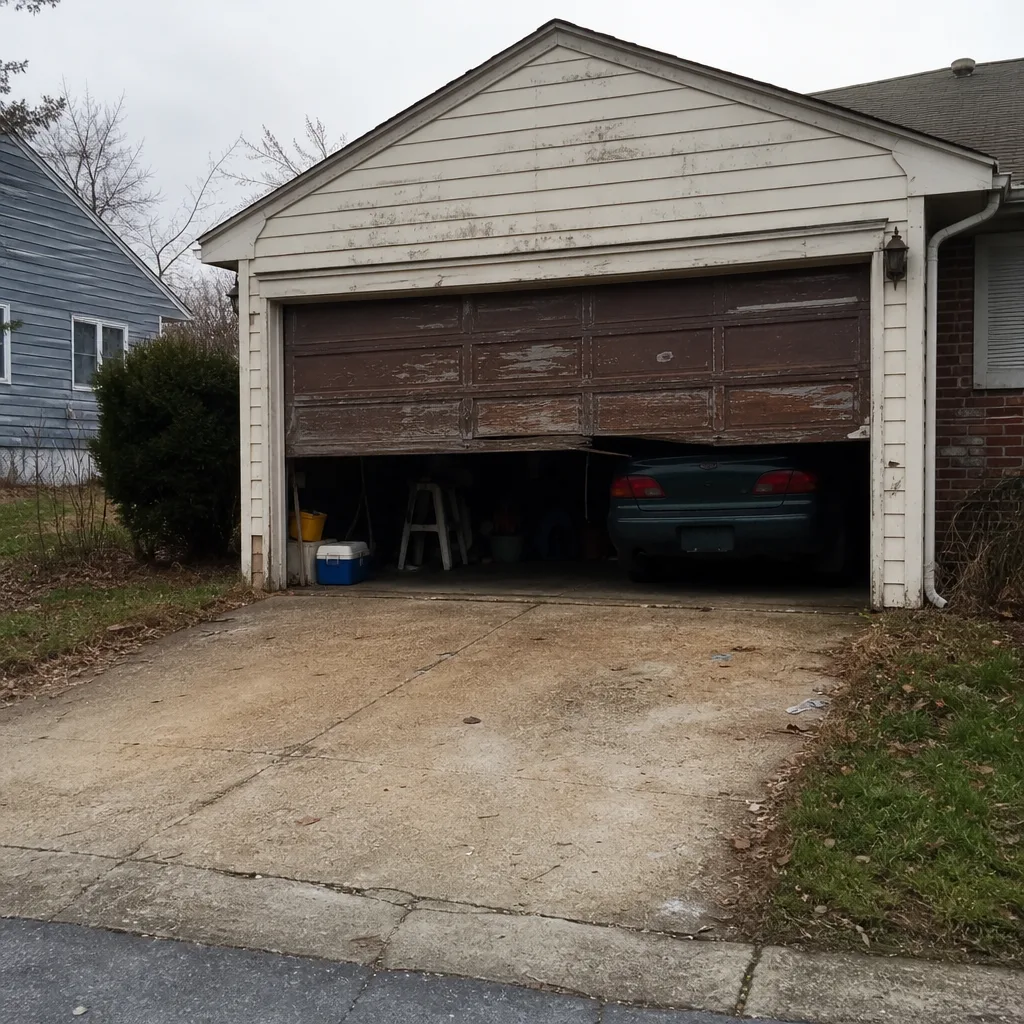 Before
 After
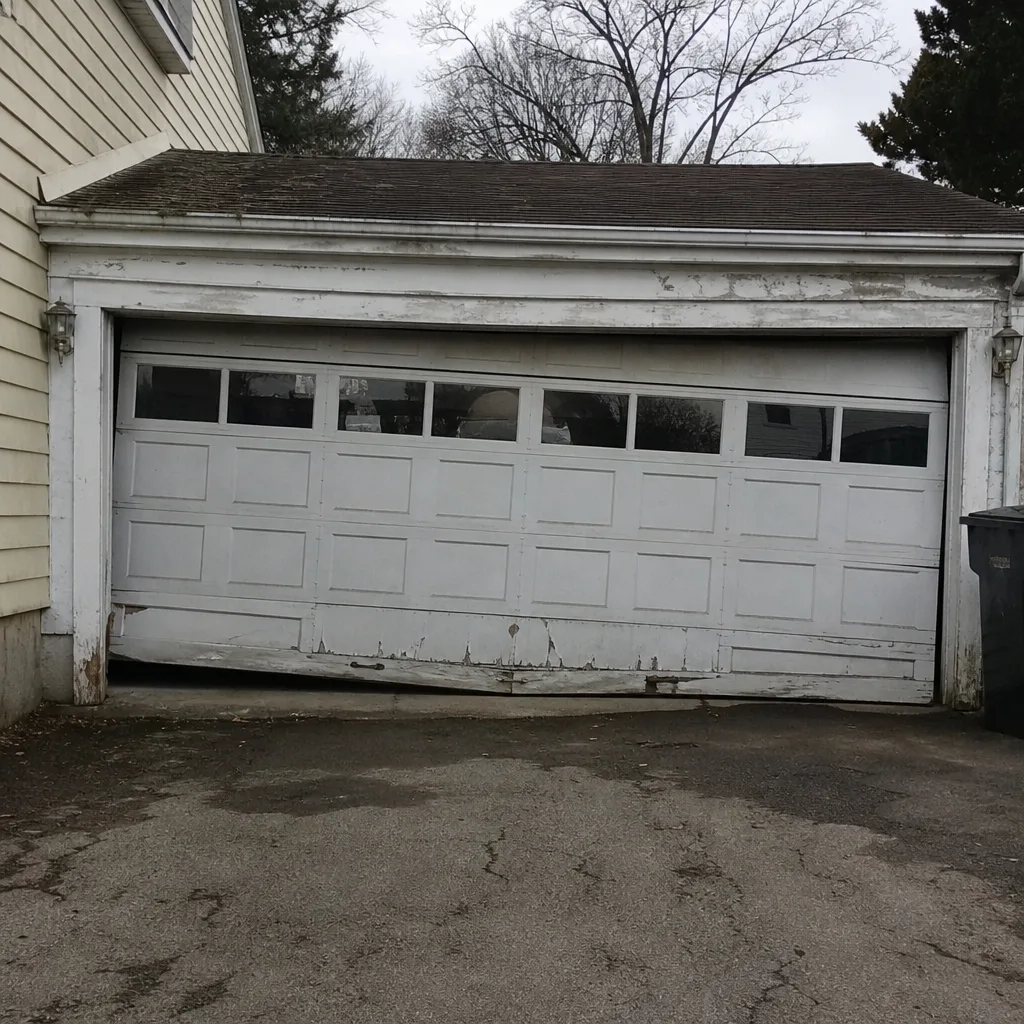 Before
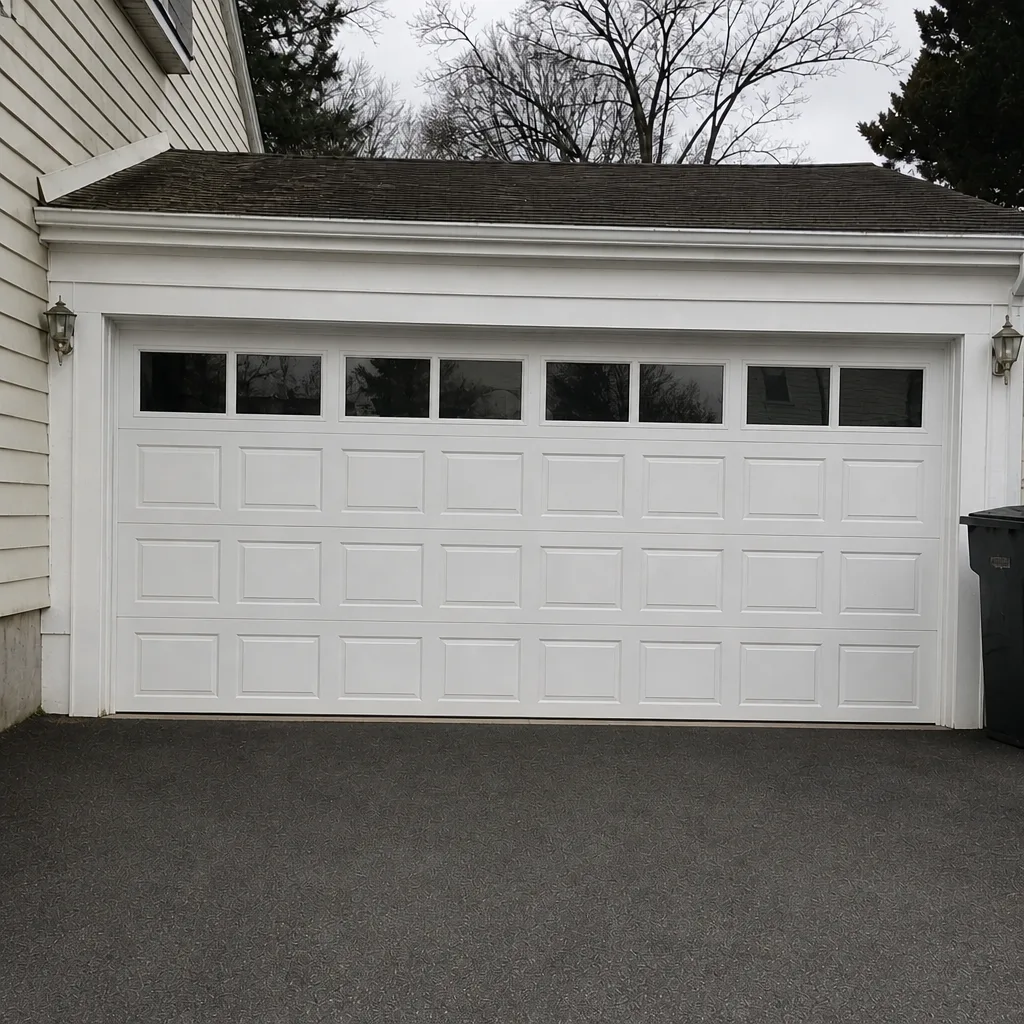 After
Frequently Asked Questions
No. Torsion springs and extension springs store enough energy that a slip can cause a severe injury in a fraction of a second, regardless of how careful you are. Massachusetts homeowners who attempt this are also outside any manufacturer warranty that requires professional service. Call (855) 268-3636 for a free estimate, and if the door is currently stuck, don’t cycle it further.
Painting, cleaning, lubricating hinges and rollers, replacing bottom seals and weatherstripping, tightening exposed bolts, aligning photo-eye sensors, and reprogramming remotes are all reasonable DIY tasks. None of these touch the springs or cables, and none require special tooling. When a task involves the springs, cables, drums, or a door that’s off its tracks, it’s a professional job.
Often yes. Most major manufacturers, including Raynor and Wayne Dalton, write their warranty to require installation and service by qualified technicians. When a homeowner replaces a spring or disconnects a cable and the system fails afterward, the claim is usually refused. The cost of the follow-up fix typically falls entirely on the homeowner.
Most cities require a permit for a full door replacement, so ask Attleboro’s building department before scheduling the work. Spring and cable repairs typically don’t trigger a permit. If you’re selling the home, an unpermitted replacement can become a question during a buyer’s inspection, so keep the paperwork from any professional work you have done.
Yes, same-day service is often possible. Call (855) 268-3636. We answer 24/7. A call outside dispatch hours is booked into the next opening, Sunday through Friday, 7am to 7pm. We’re closed on Saturday, and no technician is sent on Saturday or overnight. Once on-site, the technician diagnoses the issue and quotes the price before any work begins.
Yes. The local professional we connect you with is licensed and insured as Massachusetts requires for their trade. Every repair is quoted and agreed before any work starts, so the invoice matches the written estimate. If you’re comparing quotes from other providers, ask for that same assurance in writing before scheduling.
For safe tasks, DIY usually does save money. For springs and cables, the honest math favors a professional. The tool cost alone for a proper spring replacement (winding bars, cable clamps, and a second pair of hands) is often more than the labor. Add the risk of injury and a voided warranty, and the “save money” calculation usually turns negative.
The Bottom Line
The DIY vs. professional question isn’t about how handy you are. It’s about which tasks carry stored energy and injury risk regardless of experience. Paint, seals, lubrication, and remote work: safe, worth doing yourself, and never the same conversation as spring repair. Springs, cables, drums, and doors that come off track: professional territory. Attleboro homeowners who get this split right save money on the safe jobs and avoid the costly risk on the dangerous ones. Attleboro Garage Door Repair handles the full scope – repair, opener repair, spring repair, and installation – so one call covers diagnosis, parts, and installation when you decide a task is out of DIY range. Call (855) 268-3636. We answer 24/7. Fast dispatch from 7am to 7pm, Sunday through Friday. Estimates are free, and the price is quoted and agreed before any work starts.
Written by the team at Attleboro Garage Door Repair.