
Last updated November 23, 2026
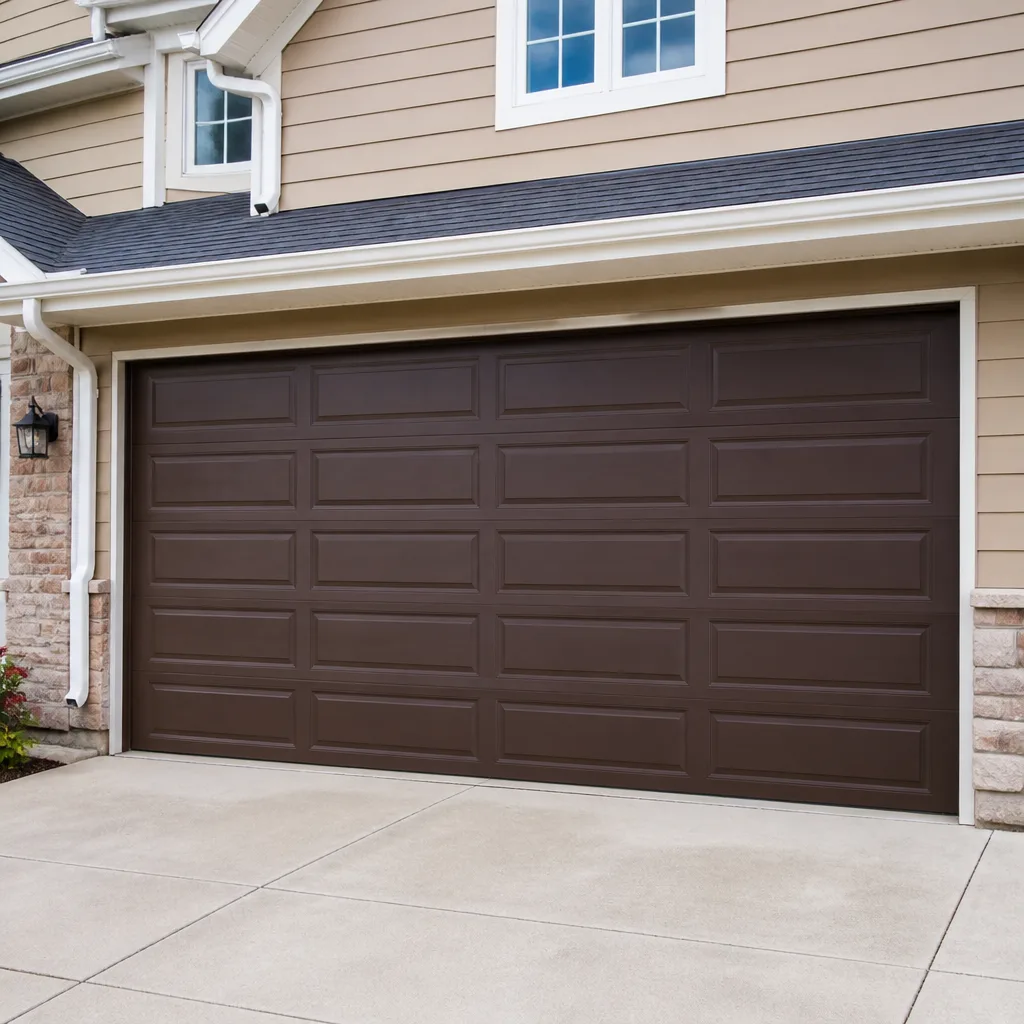 Raised-panel steel
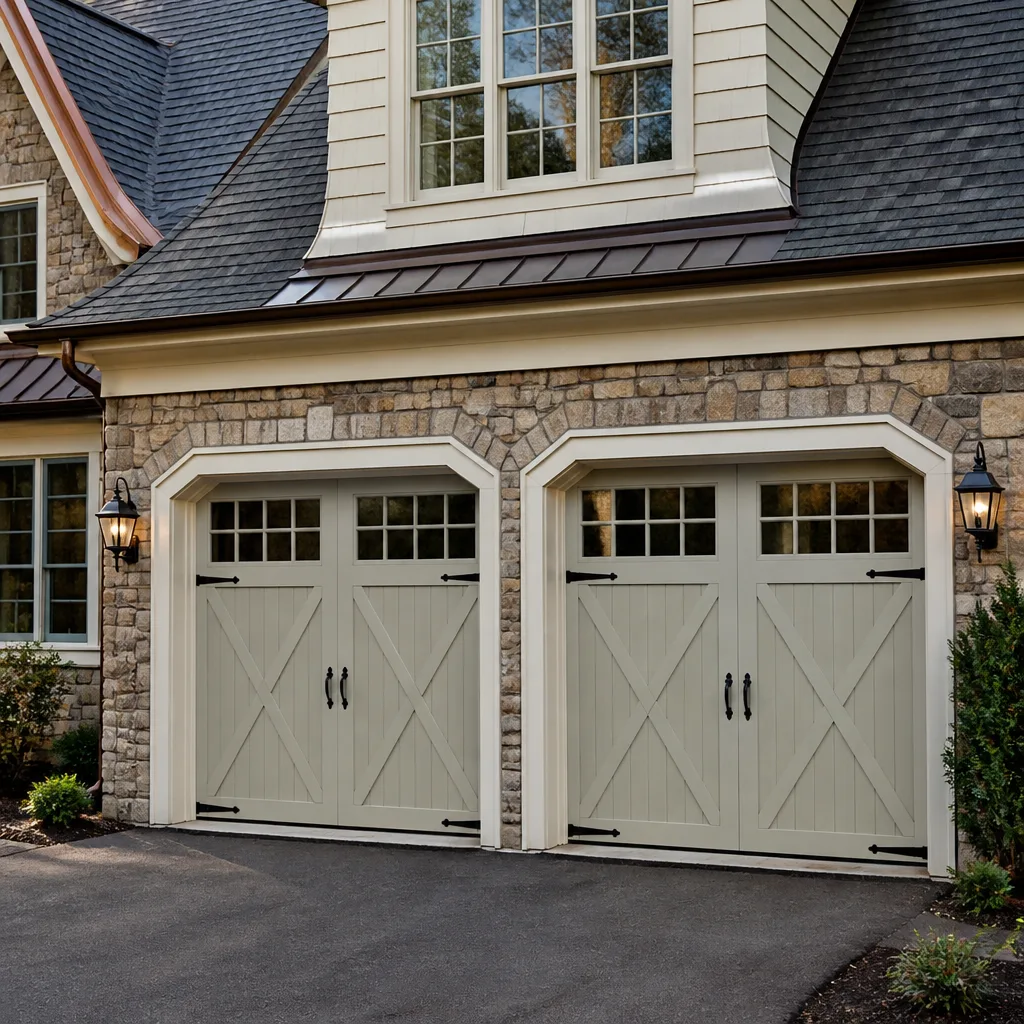 Carriage house
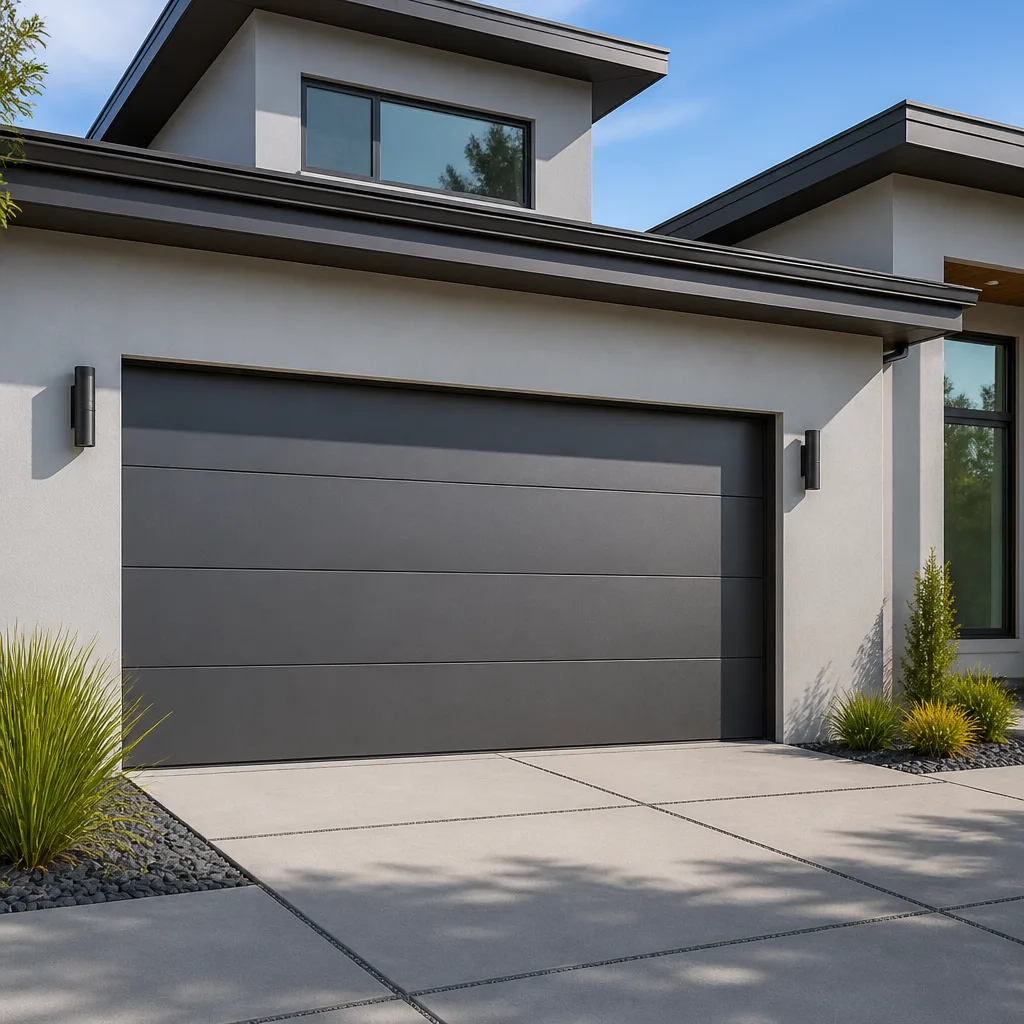 Modern flush
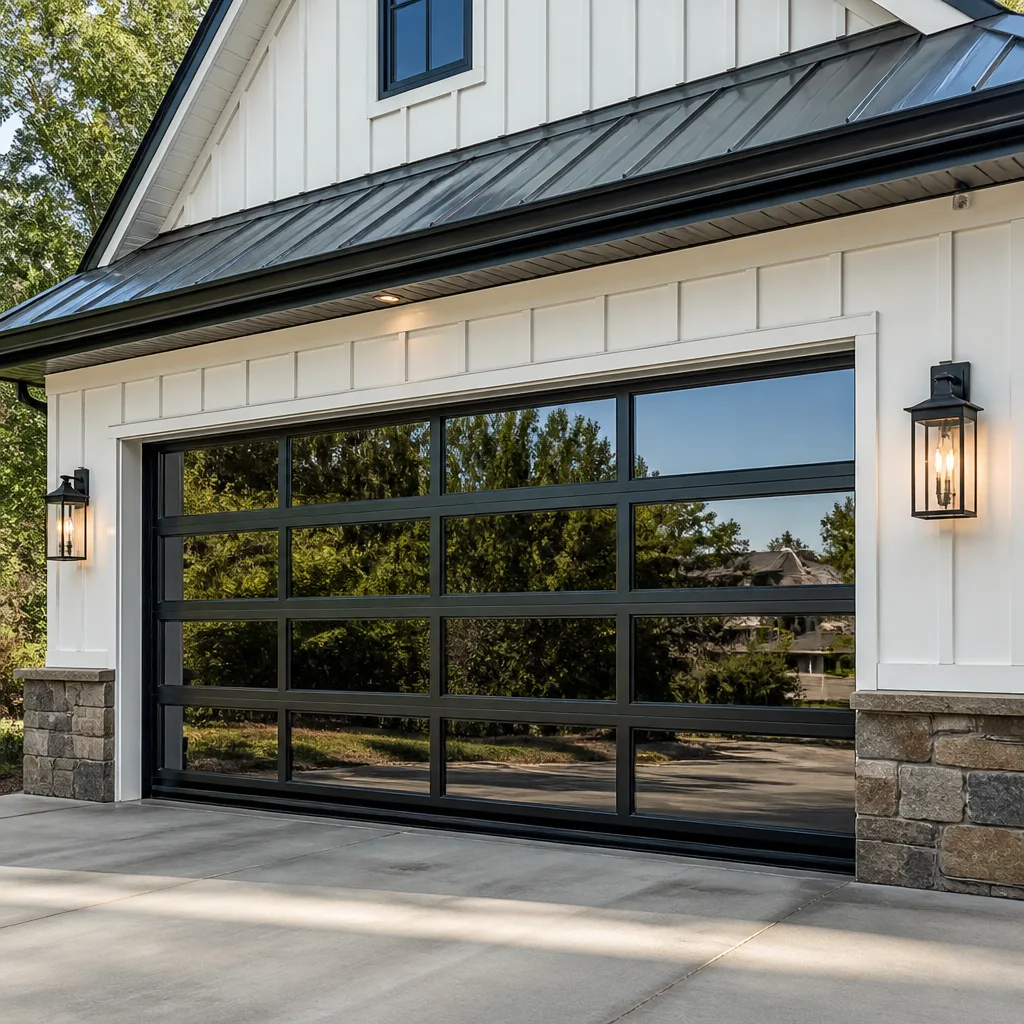 Full-view glass
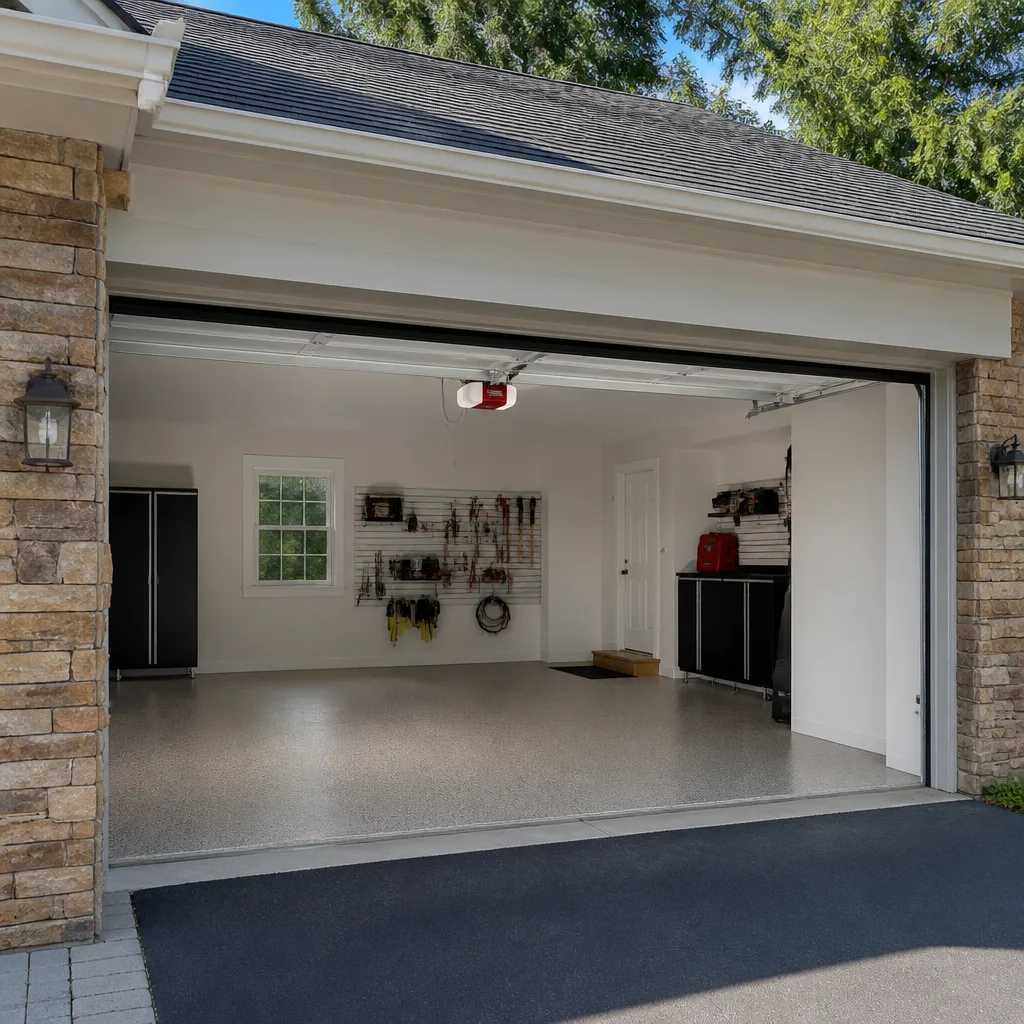 LiftMaster openers
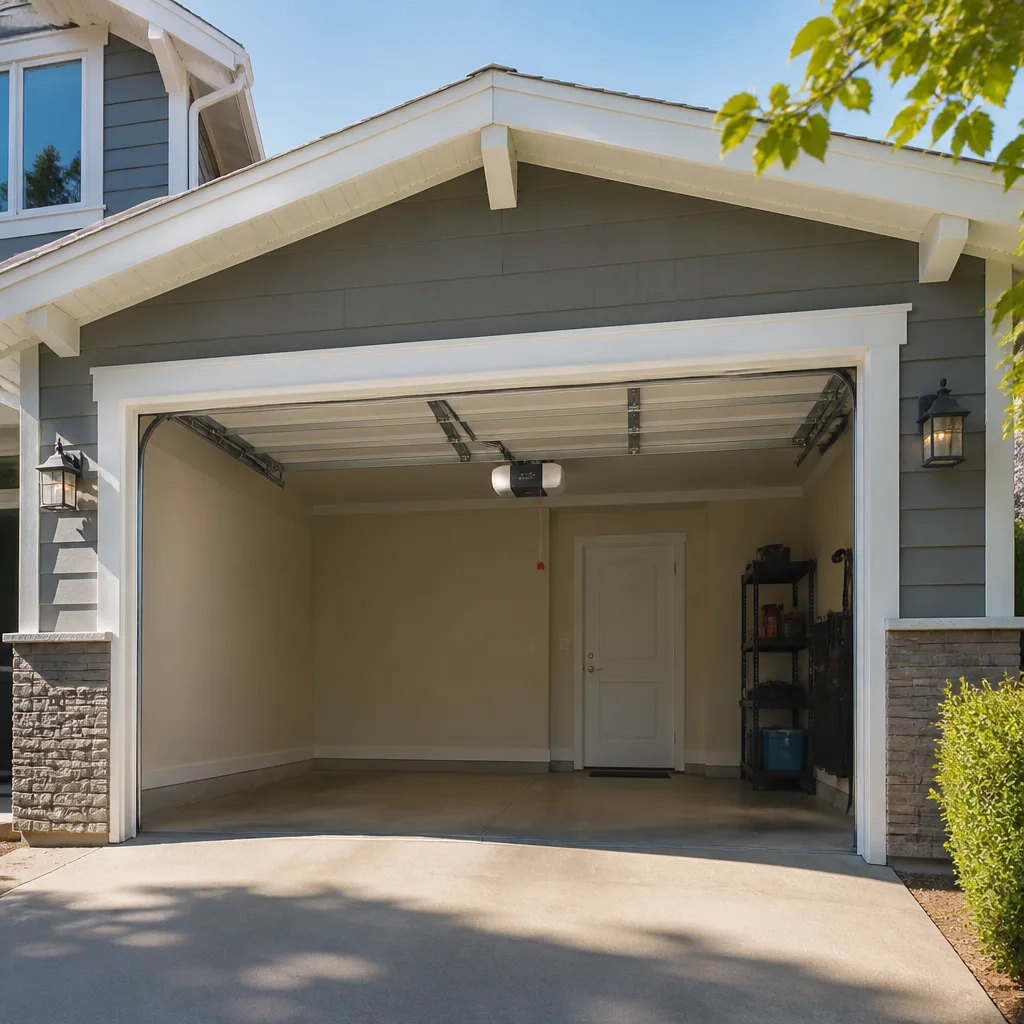 Chamberlain openers
Full 25-point door and opener safety check with every visit - springs, cables, rollers, tracks, and your LiftMaster or Chamberlain opener included
You get a price before we start. It does not change when the pro arrives.
Get your free estimateChoosing the Right Garage Door Brand: A Buyer’s Guide for Attleboro
The garage door brand with the loudest advertising in the country has some of the tightest parts availability in New England. That’s the part of door shopping nobody puts on a showroom wall, and it’s the part that decides whether a repair five years from now takes a day or a month. We’re writing this from Attleboro, where a garage door works through humid summers, freeze-thaw winters, and plenty of road grit blowing in off the street. In this guide you’ll learn how to compare Clopay, Amarr, Wayne Dalton, Raynor and other brands on the things that actually matter – material, insulation, parts, dealer support, and warranty – instead of on which brochure looks nicest.
Quick Answer
The right garage door brand for an Attleboro home is the one with a strong local dealer network, stocked or quickly available parts, and a warranty the manufacturer actually enforces – which is usually a well-supported steel door from Clopay, Amarr, Wayne Dalton, or Raynor rather than the brand with the biggest ad budget. Compare brands on gauge thickness, insulation and parts availability, not on panel styling. Then match your opener brand to the door so the system works together for the long haul.
Styles & brands we work with
- Raised-panel steel
- Carriage house
- Modern flush
- Full-view glass
- LiftMaster openers
- Chamberlain openers
Table of Contents
- Why Brand Choice Matters More in Attleboro Than You’d Think
- Clopay, Amarr, Wayne Dalton, and Raynor: An Honest Comparison
- How to Check a Brand’s Local Dealer and Service Network
- Which Brands Enforce Warranties Best in Massachusetts
- Matching Door Brand to Opener Brand
- Cosmetic vs. Structural: Reading a Showroom Door Correctly
- A Step-by-Step Brand Evaluation Checklist
- What Happens When Your Chosen Brand Needs Repair Later
Why Brand Choice Matters More in Attleboro Than You’d Think
Most people shopping for a new garage door spend their time on color and window layout. Those decisions feel important because you see them every day. The decisions that actually cost you money show up two, five, or ten years later, when a section gets dented, a hinge wears out, or an opener starts fighting the door.
Attleboro’s climate puts a garage door through a specific kind of stress. Summers here run humid, so steel doors sweat and any weak point in the paint or galvanizing starts to corrode from the inside out. Winters bring repeated freeze-thaw, and the door open and closes across ice and grit that works into the tracks and hinges. A door built for a dry climate can look fine on day one and show rust bubbling at the bottom panel within a few seasons. That’s not a design flaw you’ll spot in a showroom. It’s a materials decision made at the factory, and it’s the single biggest reason brand matters here.
Parts availability is the other half. A garage door is a mechanical system, and every system needs parts eventually. Some brands sell through a broad dealer network with parts sitting in regional warehouses. Others restrict distribution tightly, which means the technician standing in your driveway has to order from a single source and wait. In Attleboro, a broken spring or a bent section can leave a car trapped in the garage, so a two-week parts wait isn’t a small annoyance. It’s a disruption.
There’s also the housing stock. Attleboro has everything from older homes with tight single-car garages to newer construction with wide two-car openings. A brand that offers a limited range of sizes and radii will force compromises on an older opening. A brand with a full catalog lets the installer fit the door to your actual garage instead of the other way around. When we talk with homeowners about Attleboro Garage Door Repair, the brand conversation almost always comes back to those three things: how the door handles the climate, whether its parts exist nearby, and whether it fits the opening you already have.
None of this means you need a premium brand for every garage. It means you need to evaluate brands on the criteria that match how the door will actually live. The next section does that comparison directly.
Clopay, Amarr, Wayne Dalton, and Raynor: An Honest Comparison
These four brands cover most of the residential market in and around Attleboro, and each has real strengths. This isn’t a ranking. It’s a comparison on the criteria that matter: how the door resists corrosion, how well it insulates, and how easy it is to get parts later.
Clopay is the largest residential door manufacturer in the country, and that scale shows up in dealer coverage. Clopay’s steel doors use galvanized steel with a baked-on finish, and their insulated lines (the intellicore and similar polyurethane-core models) hold up well through humid summers. Because Clopay sells through a wide network, parts are usually easy to source locally. The tradeoff is that Clopay’s catalog is enormous, which means two doors with the same model name can differ a lot depending on the series. You have to read the spec sheet, not the brochure.
Amarr is known for solid steel construction and a broad range of styles, and its insulated doors compete well on thermal performance. Amarr’s distribution is strong in the Northeast, so a dealer can usually get sections and hardware without a long wait. Homeowners who want a traditional raised-panel look at a reasonable cost often land on Amarr. Corrosion resistance is good on the better series, but the base models use lighter-gauge steel, so check the gauge before you assume.
Wayne Dalton brings a few genuinely different product lines to the table, including foam-core doors that are lighter and easier on the opener, and some models with distinctive panel designs. The lighter weight can be an advantage for older openers that are near the end of their rated capacity. Parts availability is generally good, though certain proprietary components take longer to source than a standard hinge or roller.
Raynor is a smaller, family-held manufacturer with a reputation for durable steel doors and strong warranty support. Raynor’s distribution is narrower than Clopay’s, so whether Raynor is a good fit depends heavily on the local dealer. Where there’s a good Raynor dealer nearby, the doors hold up well and the warranty backing is solid. Where there isn’t, a repair can mean a longer wait. That’s why the dealer network check in the next section matters so much for Raynor specifically.
If we had to compress the comparison into a single idea: Clopay and Amarr win on parts availability through scale, Wayne Dalton offers some useful lighter-weight options, and Raynor rewards you when the local dealer is strong. All four are capable of a door that lasts. The difference is in the details of materials, insulation, and what happens at repair time.
How to Check a Brand’s Local Dealer and Service Network
Before you commit to a brand, find out who will service it. A garage door that can only be repaired by a technician driving in from outside the area is a door with a built-in delay. Here’s how to check a brand’s local support before you buy.
- Ask the installer who services the brand locally. A straight answer names local service relationships. A vague answer (“we can get anyone”) usually means you’ll be the one tracking down help later.
- Confirm parts lead times for common failures. Ask how long a replacement spring, hinge, roller, or bottom section takes to arrive. Standard parts should be quick. Proprietary parts take longer, and you should know which is which.
- Check whether the brand’s dealers handle repair, not just sales. Some outfits sell doors but won’t touch them once they’re on the house. That leaves you searching for help exactly when you need it most.
- Ask about the local climate track record. A dealer who installs in Attleboro should be able to talk about how the brand’s finishes and bottom seals hold up through humid summers and salted winter roads. If they can’t, they haven’t been paying attention.
- Confirm warranty service runs through a local path. A warranty is only useful if there’s someone nearby who can file and perform the work. Ask who handles warranty claims in your area before you sign.
There’s a broader point here. The garage door industry has moved toward consolidation, and some brands are now distributed through fewer channels than they once were. That can be perfectly fine – a strong dealer behind a narrower brand beats a weak dealer behind a dominant one every time. The dealer is the part of the brand you actually interact with.
This is also where brand familiarity on the service side pays off. When technicians know a brand well, they can diagnose a problem and order the right part the first time instead of guessing. That’s the practical value of working with people who service many brands rather than one. When a door needs attention, being able to call a team that handles the major makes means the diagnosis and the parts order happen in one visit. That’s the idea behind garage door repair built around the brands people actually own.
Which Brands Enforce Warranties Best in Massachusetts
Warranty enforcement is where brand reputation meets paperwork. Every major brand publishes a warranty, and the terms are usually more generous on paper than in practice. The difference between brands comes down to how consistently they honor claims and how clearly the terms are written.
Here’s the pattern we see most often in Massachusetts. The brands with the strongest enforcement histories are the ones with well-organized dealer networks and clear written terms: Clopay, Amarr, and Raynor generally fall into this group. Claims get approved when they match the published terms, and the process runs through the local dealer. Wayne Dalton’s warranty is also solid, but certain components fall under different coverage periods, so you have to read carefully.
The real problem isn’t dishonest manufacturers. It’s unenforced terms that homeowners never knew about. These are the warranty provisions that most commonly go unused:
- Prorated coverage. Many warranties don’t cover the full cost after the early years. A “lifetime” spring or section warranty might cover a smaller and smaller percentage each year after the initial period. Homeowners assume it’s fully covered and are surprised at the bill.
- Finish and paint exclusions. Finish warranties often exclude damage from road salt, fertilizers, and chemicals stored in the garage. In a snowy climate like Attleboro’s, that exclusion covers a lot of the wear people actually see.
- Installation and labor exclusions. Product warranties cover parts, not labor. The cost of putting a covered part back on the door usually falls on the homeowner. That’s why a brand with local dealers who can do the labor efficiently saves you real money.
- Required maintenance records. Some warranties require documented maintenance. If nobody told you to keep records, the term quietly lapses.
- Improper installation clauses. A warranty can be voided if the door wasn’t installed to the manufacturer’s spec. That’s a dealer responsibility, but the homeowner pays the price. It’s a good reason to make sure the installer follows the spec and documents it.
Before you buy, ask the seller to point out the exclusions in writing. A brand that pushes back on that request is telling you something. When a spring or opener does fail and the warranty comes into play, having someone local who can check the coverage, order the part, and finish the job makes the difference between a claim that gets used and one that gets forgotten. That’s part of how garage door spring repair works when a warranty or a worn part is involved.
Matching Door Brand to Opener Brand
Your door and your opener are a team, and mismatches between them cause the kind of slow, nagging problems that are hard to pin down. A heavier door paired with an opener sized for a lighter one will strain the motor and wear out faster. A door with a non-standard track radius can confuse a safety sensor or a travel limit that isn’t adjustable enough for it.
Attleboro homes use a lot of LiftMaster, Chamberlain, Genie, and Craftsman openers, and each has its own travel limits, force settings, and safety-reverse behavior. When the door and opener brands are matched by someone who knows both, setup is straightforward. When they aren’t, the door can strain the opener, the safety reverse can trip at random, or the opener can sense resistance that isn’t really there. None of these failures show up on installation day. They show up months later as grinding, stuttering, or a door that reverses for no visible reason.
Some practical guidance:
- Size the opener to the door’s weight. Insulated steel doors are heavier than uninsulated ones, and the opener’s rated capacity needs to match. This is where door brand and model actually matter at the planning stage.
- Confirm the opener supports the door’s safety features. LiftMaster and Chamberlain tend to be flexible about travel and force adjustment, and Genie and Craftsman have their own quirks. A door with unusual geometry may need an opener that can accommodate it.
- Keep the safety reverse working. Any brand combination must pass the safety-reverse test, where the door reverses on contact with an object. If it doesn’t, the opener and door aren’t matched correctly, regardless of brand.
- Plan for parts from both sides. If the door brand has strong parts availability and the opener brand doesn’t, one side of your system will always be slower to repair. Consider both before you commit.
If you’re not sure whether your current opener can handle the new door, that’s a conversation worth having before the door is ordered. Opener work is its own specialty, and it helps to have people who service the major opener makes on the other end of the phone. If a mismatch is already causing trouble, that’s what garage door opener repair is for.
Cosmetic vs. Structural: Reading a Showroom Door Correctly
Showroom doors are set up to appeal to the eye. The differences you can see – panel style, window design, wood-grain embossing – are often the least expensive differences between models. The differences that decide how long the door lasts are the ones you can’t see, which is why you should ask about them directly.
Here are the structural questions that separate a durable door from a pretty one:
- Steel gauge thickness. The steel used for the panel face is measured in gauge, and a lower number means thicker steel. Thicker steel resists dents from kids, bikes, and storm debris and holds its shape longer. A door with a nice embossed finish but thin steel is a cosmetic door.
- Hinge grade. Hinges are the moving joints of the door, and they take constant load. A standard hinge and a heavy-duty hinge look similar in a showroom but last very differently. Ask what grade of hinge the door ships with, and whether it can be upgraded.
- Insulation type and density. Polyurethane foam holds a higher insulating value for its thickness than polystyrene, and a fully insulated door with end caps performs better than one with insulation panels that stop short. For a garage under living space or attached to a conditioned part of the house, this matters.
- Bottom seal and weatherstripping. The seal is your first line against water, grit, and drafts. A robust vinyl or rubber seal and a well-fitted bottom retainer keep the door tracking cleanly through Attleboro’s wet and icy seasons. A flimsy seal wears out first.
- Track and hardware quality. Track gauge, roller material, and the quality of the torsion hardware are all visible on the spec sheet and invisible in a showroom display. Ask, and compare.
- Section construction. Doors are built from sections, and the joints between them are stress points. A door with interlocking sections, proper reinforcement, and a strong center stile holds up better than a lighter design with the same surface look.
The wood-grain embossing doesn’t matter if the steel under it is thin. The window layout doesn’t matter if the hinge grade is low. Cosmetic choices should be the last decision, not the first. When you’ve narrowed the structural field, you can pick the panel style you like from the doors that are built to last. That’s how we’d advise any Attleboro homeowner walking into a showroom.
A Step-by-Step Brand Evaluation Checklist
Here’s a practical sequence you can work through before committing to any brand. It moves from the most important question to the least, so you’re not distracted by the trim before you’ve settled the frame.
- Measure the actual opening. Note the width, height, and headroom, and check the radius of the existing track if there is one. Some brands fit an older, tighter opening better than others, and you don’t want the brand decision to force a construction change.
- Identify the door’s job. Is the garage attached and heated, detached and unheated, or under a living space? That answer sets your insulation target and the steel gauge you should be looking at.
- Ask for the spec sheet, not the brochure. The spec sheet lists gauge, insulation type and value, hinge grade, and section weight. If a brand won’t share those numbers, that’s information too.
- Check local parts availability for the brand. Ask a local installer how quickly they can get a replacement spring, hinge, roller, or bottom section for that model. Confirm the parts actually flow through a local path.
- Read the written warranty and mark the exclusions. Note the length of coverage, the prorated periods, the labor exclusion, and any maintenance requirements. Ask the seller to explain any clause you don’t understand.
- Confirm the opener will work with the door. If you’re keeping your existing LiftMaster, Chamberlain, Genie, or Craftsman unit, check its rated capacity against the new door’s weight and confirm the safety reverse will work. If the opener is older, plan to replace it with the door.
- Get the final written price before work starts. Make sure the quote covers the door, hardware, track, and any opener work, so nothing is added after the fact.
Work through those seven steps and you’ll have a brand decision you can defend to yourself in five years. That’s the standard worth holding a garage door to, because it’s a purchase most people make only a few times in a home’s life. Also confirm what happens if a door or opener fails in a way that leaves the car stuck. Attleboro Garage Door Repair offers garage door repair alongside installation, so a door that needs immediate attention isn’t a separate vendor problem.
What Happens When Your Chosen Brand Needs Repair Later
The brand decision doesn’t end when the door is installed. It starts paying off, or starts costing you, the first time something breaks. Here’s how brand choice affects a repair years down the road, and why it’s worth thinking about now.
A spring is the most common failure on any door, and it’s also the most hazardous part of the system. A torsion spring stores enough energy to cause serious injury, and the cables and drums that work with it can release suddenly. This is not a do-it-yourself repair. When a spring fails, the brand question becomes practical: does the replacement spring fit the door’s configuration, and can a local technician get it quickly? On the docket for a brand with strong local parts flow, that’s a same-day or next-day fix. On a restricted-distribution brand, it can be a wait.
A door section or hinge failure raises a related question. Some brands support sections individually, and some sell only complete doors, which is a costly difference. Wayne Dalton and Raynor have their own approaches, and the better series are usually the ones that support individual parts. Clopay and Amarr, because of their scale, generally make sections and hardware easier to source. That’s why we push homeowners to ask that question before buying, not after a section gets dented.
Emergency availability is the other half of a repair. Doors fail at the worst possible time – late at night, on a Sunday before work, or when the car is packed for a trip. Attleboro Garage Door Repair offers emergency garage door service so a stuck or broken door doesn’t have to wait for standard business hours. We answer 24/7, and fast dispatch from 7am to 7pm Sunday through Friday. That doesn’t erase the parts question, but it does mean you get a diagnosis and a plan quickly, and the right parts get ordered on the first visit instead of the second.
Finally, an open garage door is a security exposure. If a door won’t close, your tools, bikes, and stored belongings are visible from the street. That makes a failed door a matter to handle promptly, not to live with. Whatever brand you choose, make sure a real local service path exists before you commit.
Common Mistakes to Avoid
- Choosing by name recognition alone. The brand with the biggest ad spend isn’t automatically the one with the best local support or the quickest parts. Ask about parts and dealer coverage before you ask about style.
- Comparing doors by panel style instead of steel gauge. A showroom door can look identical to a thinner, cheaper one under the same finish. The gauge, hinge grade, and section construction are what decide how long it lasts.
- Ignoring the opener. A brand-new insulated door on an opener sized for an older, lighter door will strain both. Check capacity and safety reverse before the door goes up.
- Skipping the local dealer check. A door that can only be serviced by someone from outside the area will slow every repair. Confirm there’s local support before you buy.
- Assuming the warranty covers labor. Most product warranties cover parts, not the cost of replacing them. Read the terms before you rely on them.
- Buying on price without the full scope. A quote that excludes hardware, track, or opener work can look lower and end up costing more. Get the written price for the whole job.
- Trying to fix a spring yourself. Springs, cables, and drums store dangerous energy and cause serious injuries. Leave that work to trained technicians.
See the difference
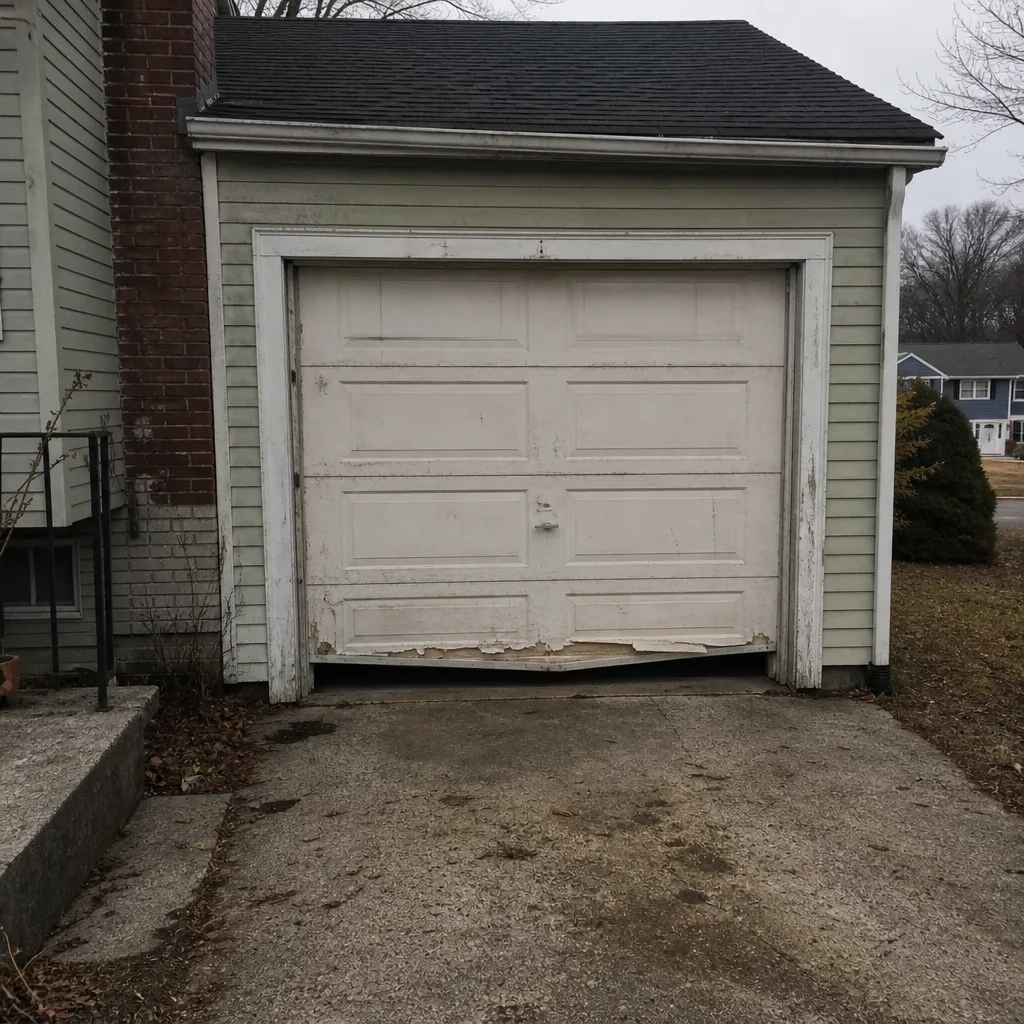 Before
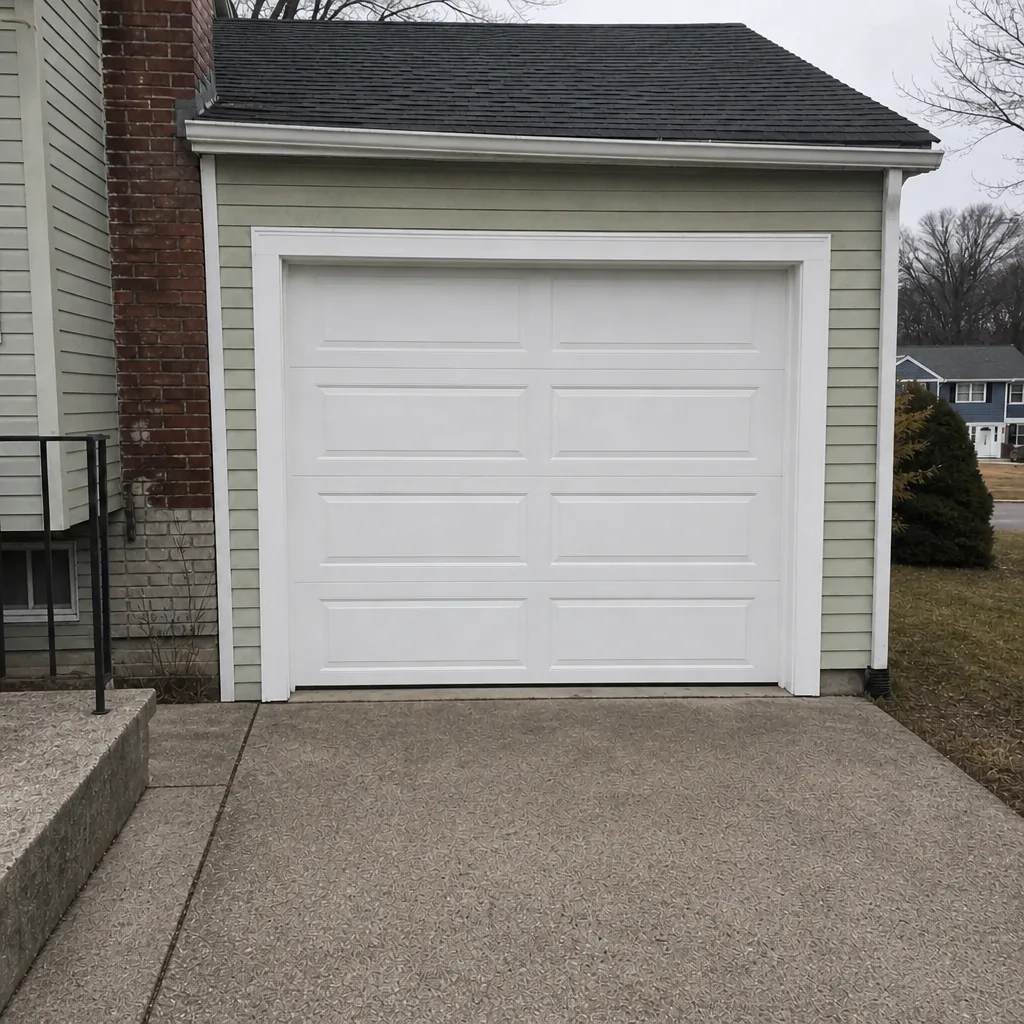 After
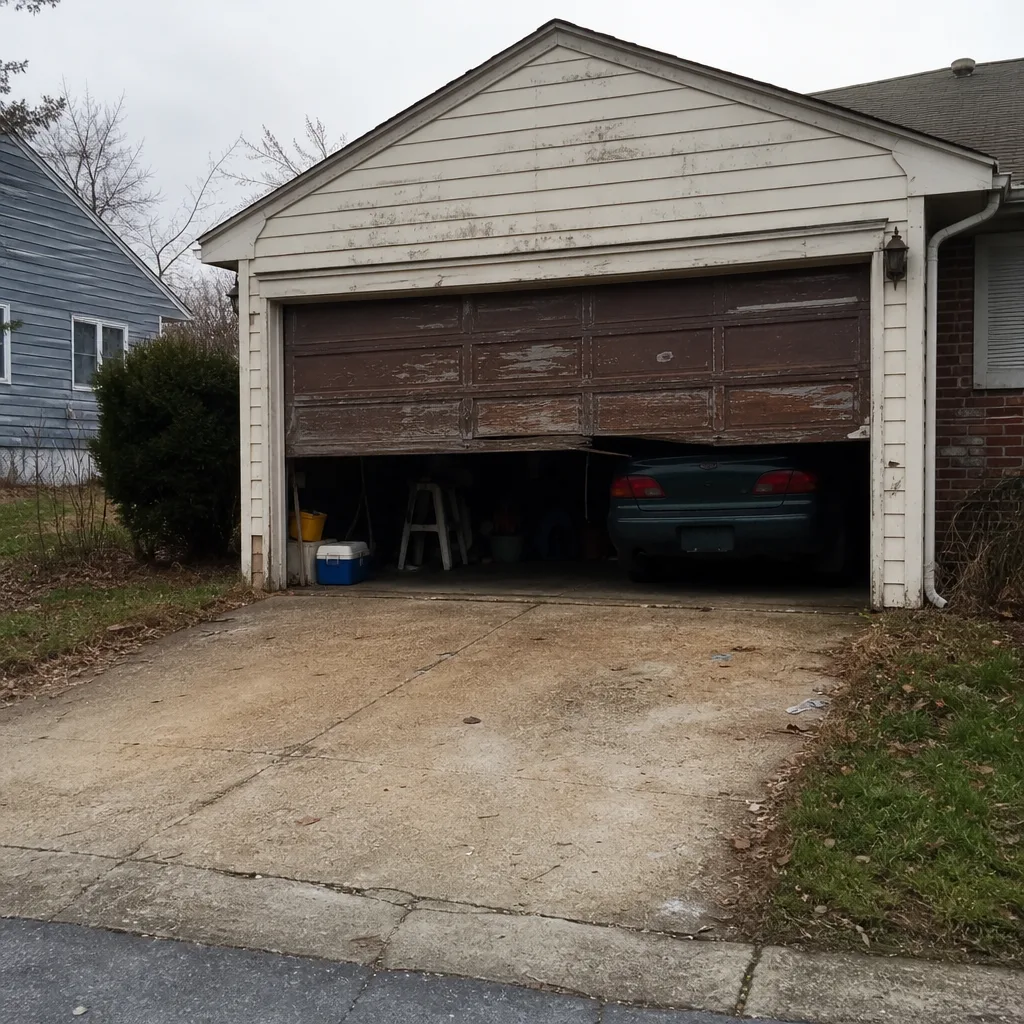 Before
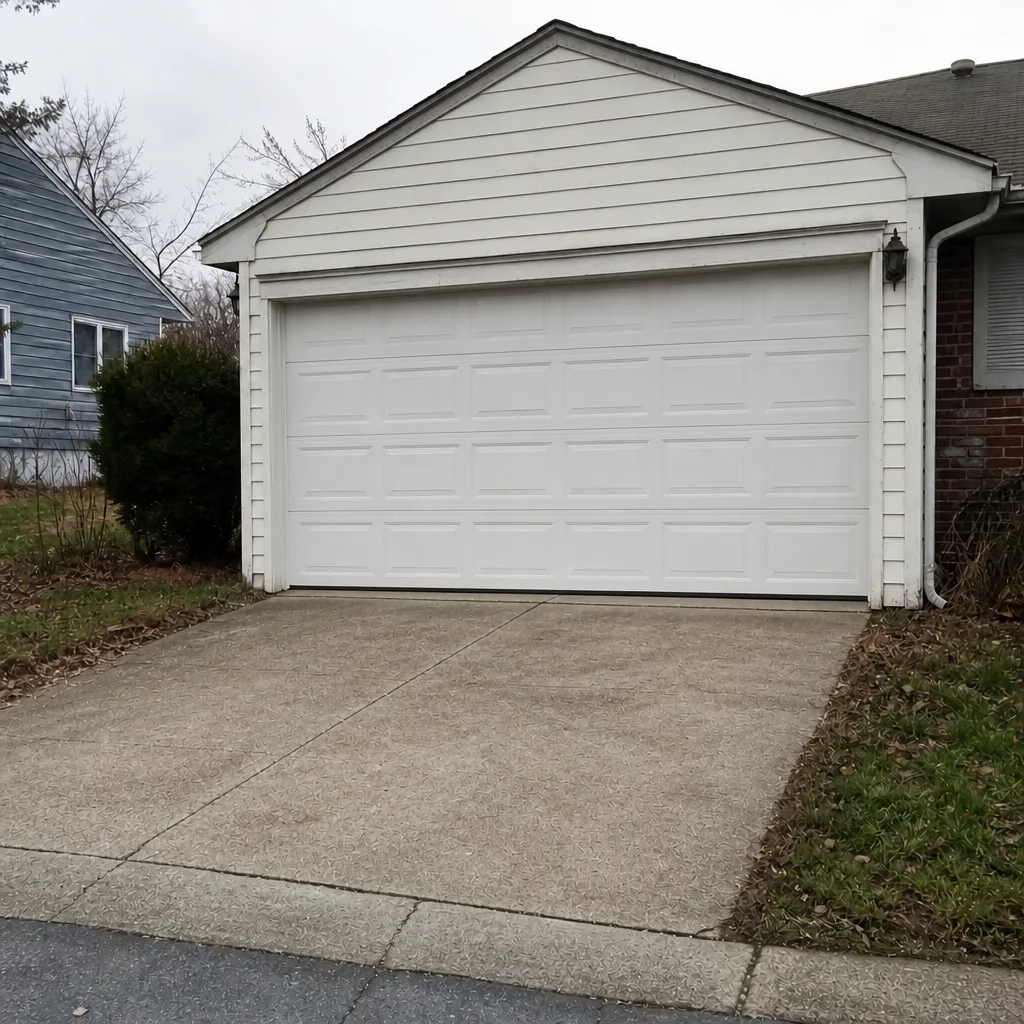 After
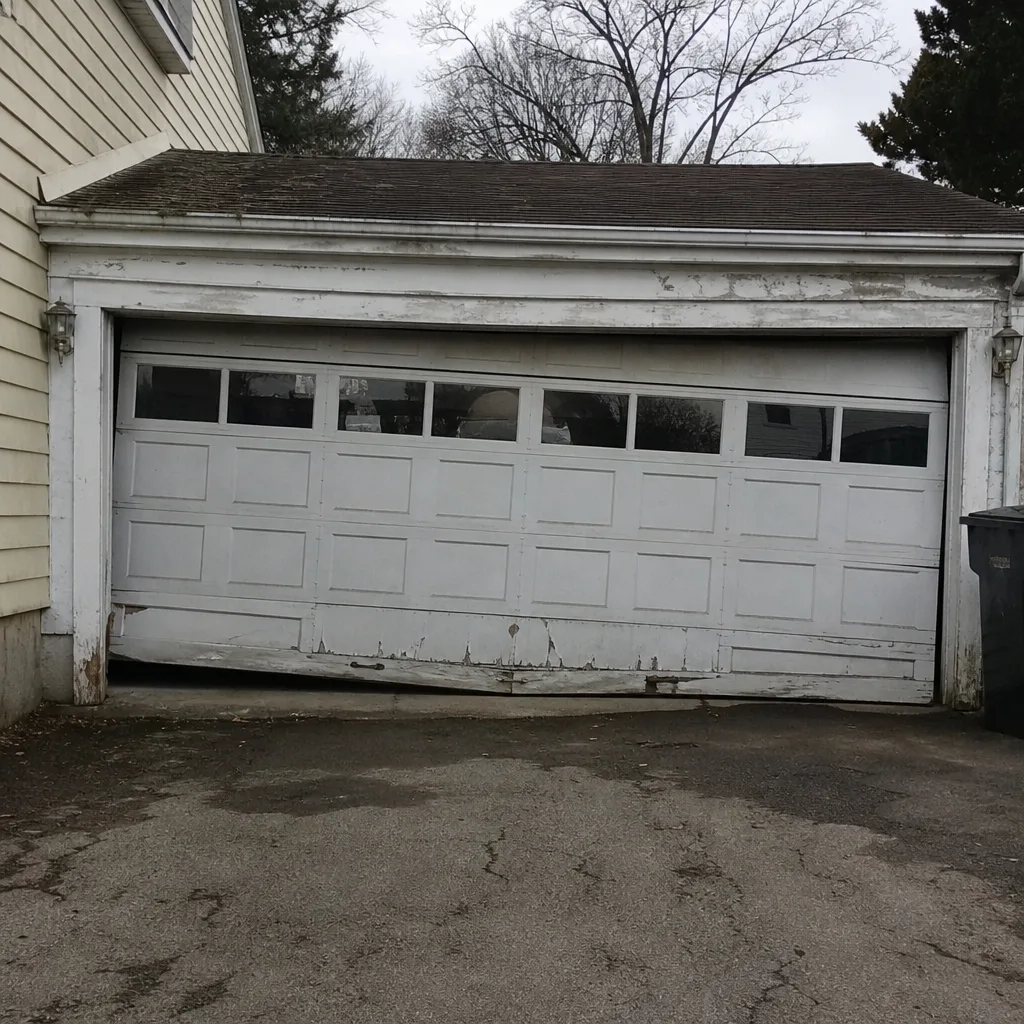 Before
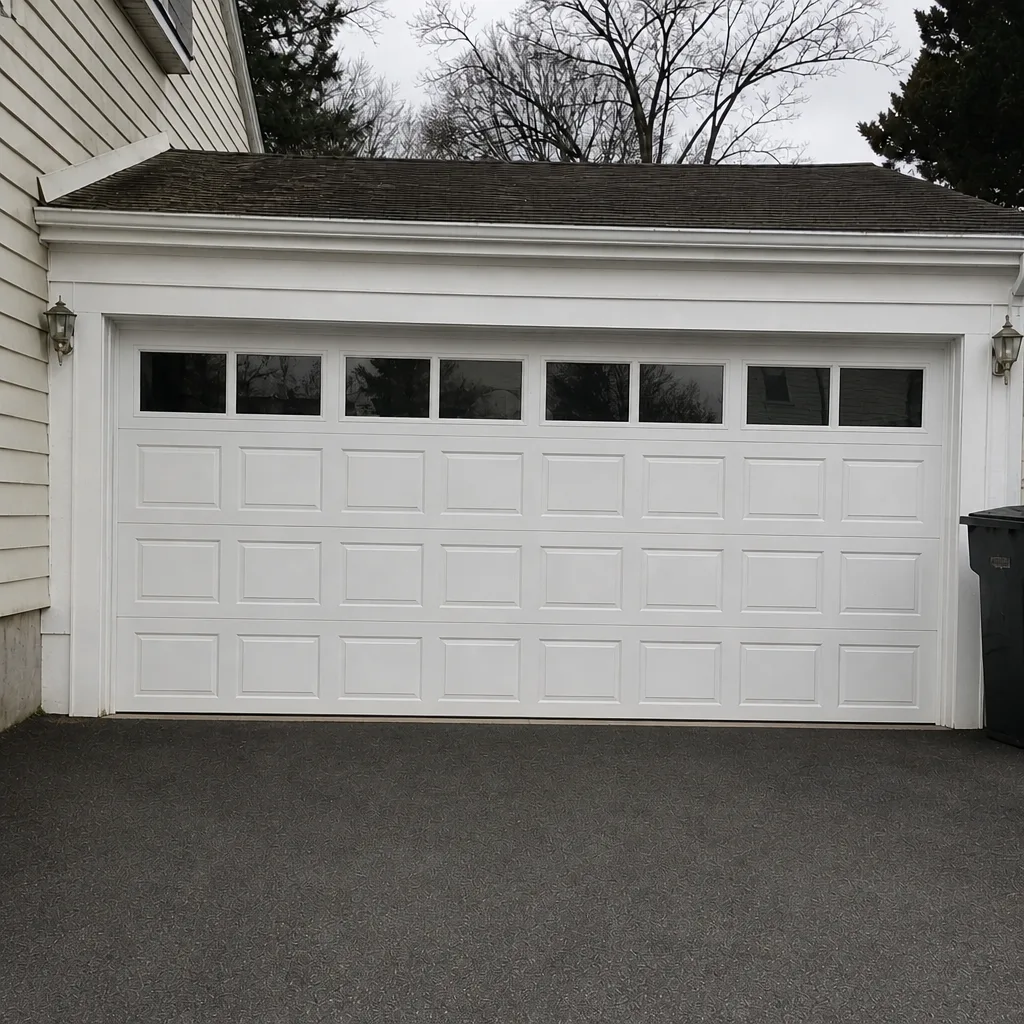 After
When to Call a Professional
You should call a trained technician when a spring breaks, when a cable hangs loose, when the door won’t close or reverse, or when a section is bent badly enough to affect the track. You should also call when the opener grinds, limits itself out, or won’t respond to the remote, since a faulty safety reverse can lead to worse. Any work involving the door’s torsion system, cables, or electrical components belongs to a professional for good reason: those parts can cause serious injury, and a small mistake can damage the door further. If you’re unsure whether your current door and opener are matched, or you’re choosing a brand and want hands-on advice, a quick conversation helps. Attleboro Garage Door Repair offers free estimates in Attleboro – call (855) 268-3636. We answer 24/7, and fast dispatch from 7am to 7pm, Sunday through Friday.
Frequently Asked Questions
There’s no single best brand, but the strongest fit for Attleboro homes is a well-supported steel door from Clopay, Amarr, Wayne Dalton, or Raynor, provided a strong local dealer stands behind it. The deciding factors are corrosion resistance for our humid summers, insulation for garages attached to living space, and parts availability so repairs don’t stall. Compare those before comparing panel styles. Call (855) 268-3636 for an exact quote – estimates are free.
Yes, mostly through parts availability and labor time. A brand with broad local distribution lets a technician get a spring, hinge, or section quickly, which keeps a repair short. A tightly distributed brand can mean a longer wait and more labor. The written estimate sets the final price, and you’ll know the full cost before any work starts. Call (855) 268-3636 for an exact quote – estimates are free.
Usually yes, but the combination has to be sized correctly. The opener’s rated capacity must match the new door’s weight, and the safety reverse has to work reliably. Heavier insulated doors can overload an older opener, and unusual track geometry may push an opener past its adjustment range. Have the match checked before the door is ordered. Call (855) 268-3636 for an exact quote – estimates are free.
Yes, on their better series. The steel is galvanized and the finish is baked on, which resists the humidity our summers bring. On lower series, the gauge is thinner and the finish is the thing to watch, especially near the bottom panel where road grit and winter salt collect. Ask for the spec sheet and confirm the gauge, hinge grade, and finish warranty. Call (855) 268-3636 for an exact quote – estimates are free.
It’s often worth it, especially if the opener is older or undersized for a heavier door. A new insulated door will outlast an old opener that’s already at its rated capacity, and matching the two avoids strain and safety-reverse problems down the road. If your opener is in good shape and correctly sized, you can keep it, but have it checked first. Call (855) 268-3636 for an exact quote – estimates are free.
Ask for the spec sheet, the local parts lead time for common failures, the written warranty with the exclusions pointed out, and who services the brand locally. Also confirm the opener will match and that the final written price covers the whole job. A dealer who answers those questions clearly is a dealer who’ll be there when the door needs work. Call (855) 268-3636 for an exact quote – estimates are free.
The Bottom Line
Choosing a garage door brand comes down to which manufacturer’s materials, parts, and local support hold up in Attleboro’s climate and housing. Compare Clopay, Amarr, Wayne Dalton, and Raynor on steel gauge, insulation, hinge grade, parts availability, and warranty enforcement, not on which name has the most ads. Check the local dealer network before you buy, match the opener to the door, and get the full written price before work starts. Our technicians have up to 9 years of experience across the major door and opener brands, so the recommendation is specific to your equipment. Call Attleboro Garage Door Repair at (855) 268-3636 for a free estimate. We answer 24/7, and fast dispatch from 7am to 7pm, Sunday through Friday.
Written by the team at Attleboro Garage Door Repair.