
Last updated November 23, 2026
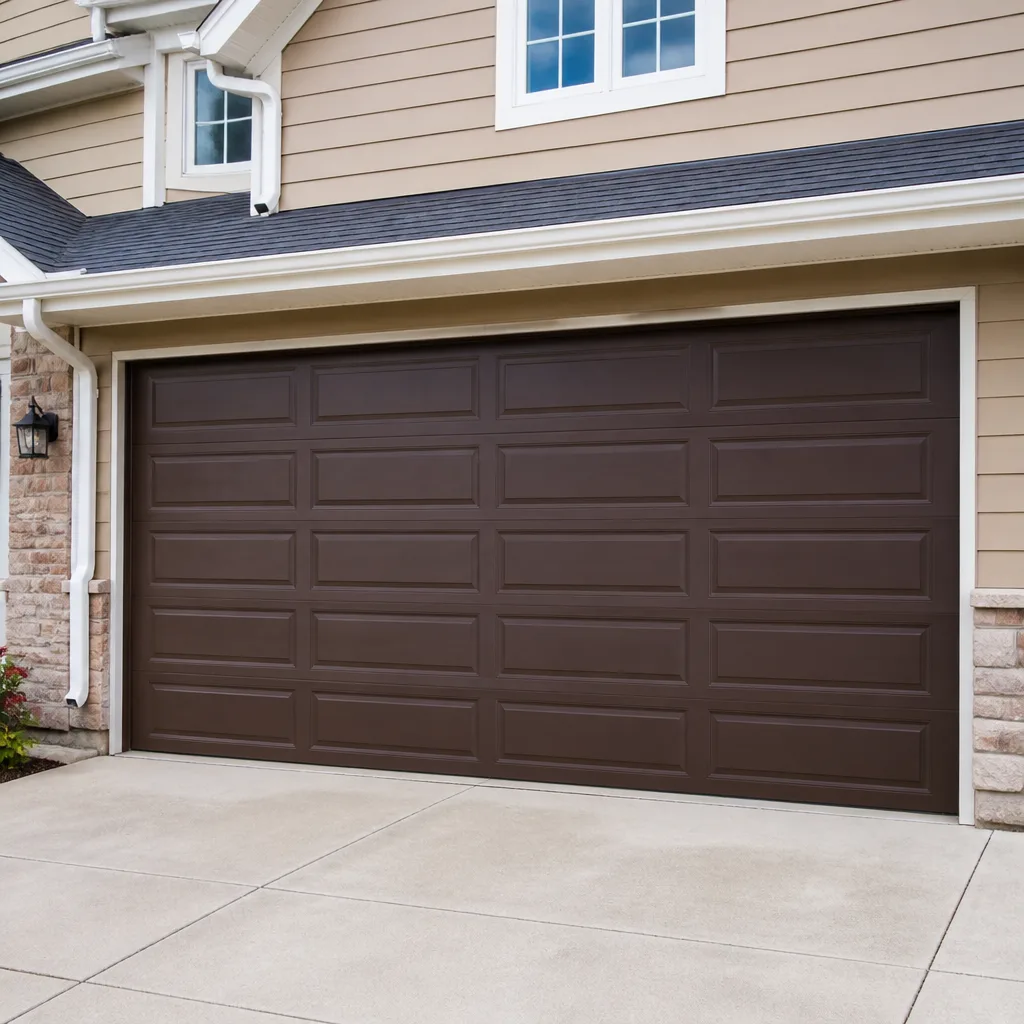 Raised-panel steel
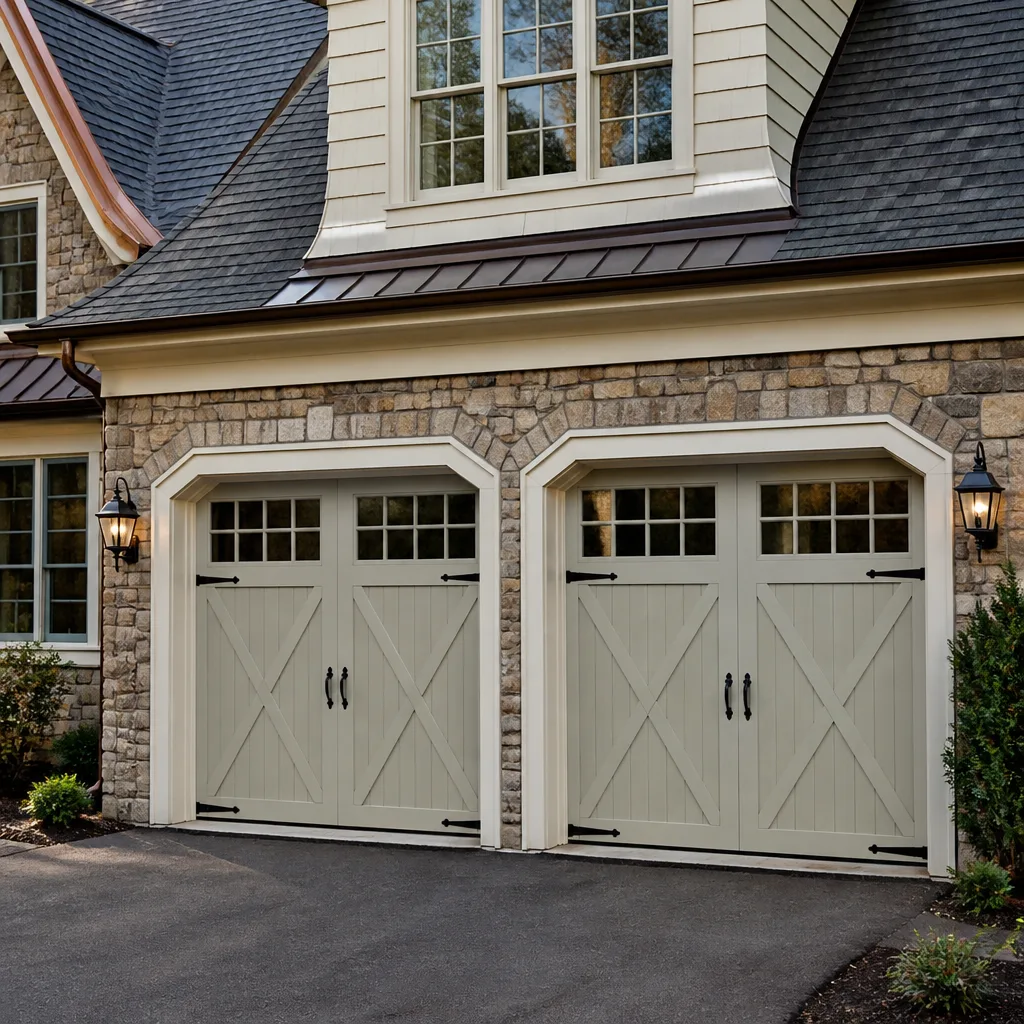 Carriage house
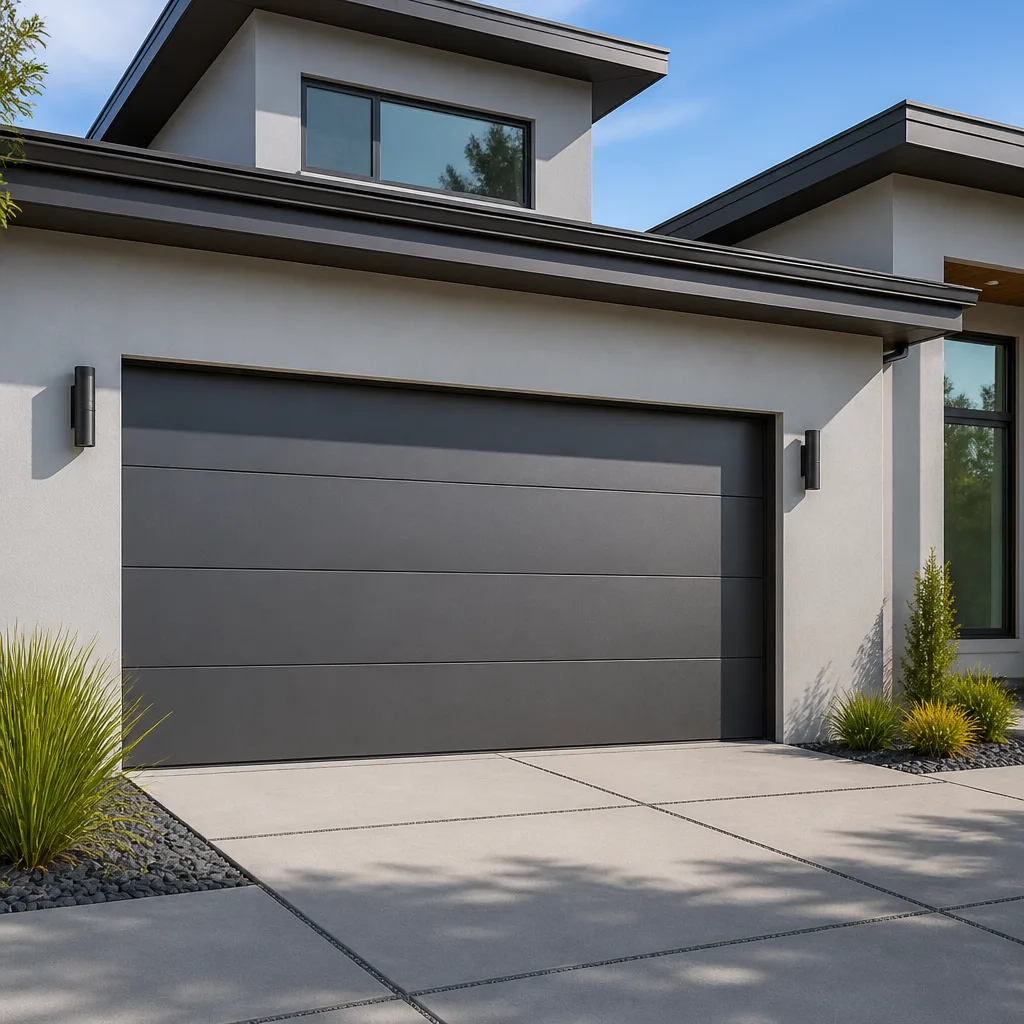 Modern flush
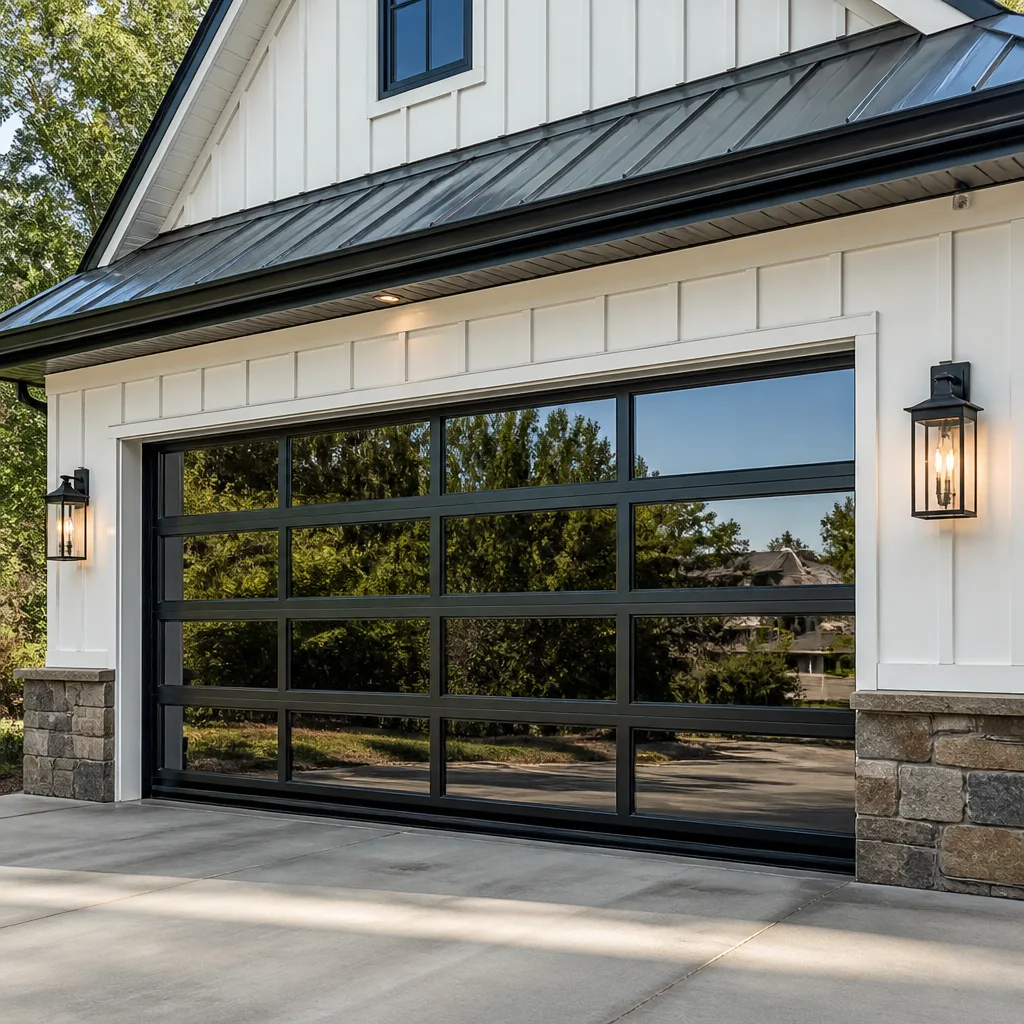 Full-view glass
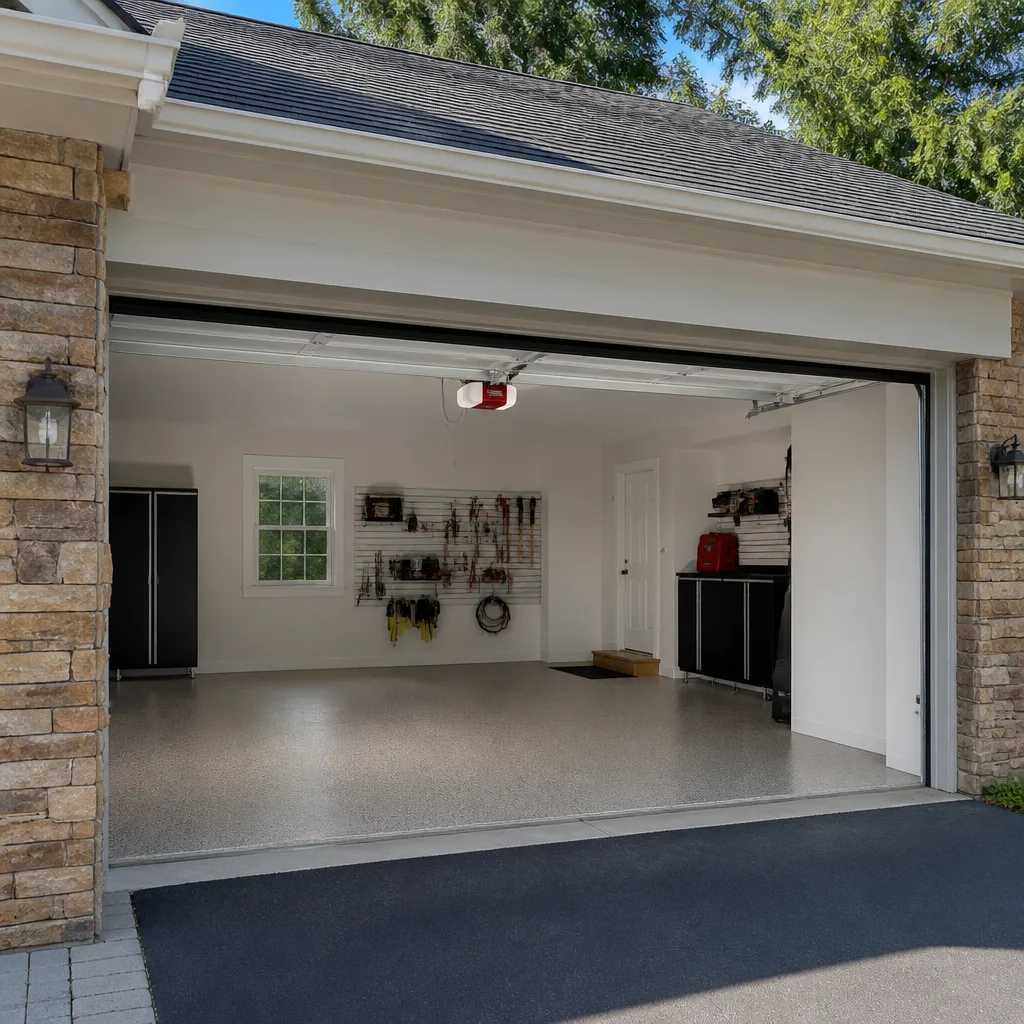 LiftMaster openers
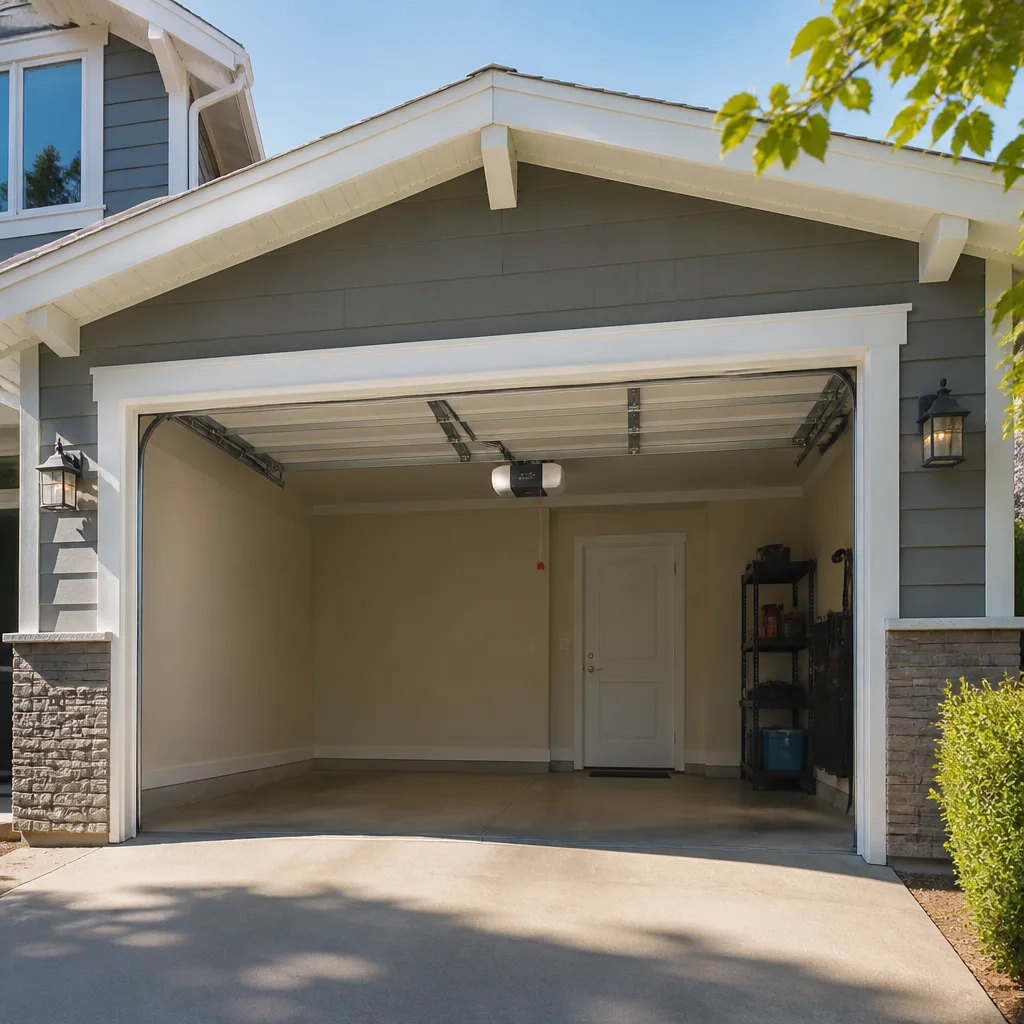 Chamberlain openers
Full 25-point door and opener safety check with every visit - springs, cables, rollers, tracks, and your LiftMaster or Chamberlain opener included
You get a price before we start. It does not change when the pro arrives.
Get your free estimateThe Complete Guide to Garage Doors in Attleboro
Most garage door advice you’ll find online was written for a national audience, and it shows. It talks about “typical” wear and “average” lifespan without ever asking where the door actually lives. Here’s the problem with that: a garage door in Attleboro spends its life in one of the more demanding climates in Massachusetts. Temperature swings between January lows and August highs can exceed 100°F across the year, and that constant expansion and contraction works on steel, wood, and hardware in ways a door in a mild climate never experiences. Add humidity, road salt tracked in off Route 1 and I-95, and a housing stock where plenty of homes went up before 1990, and you get a set of local variables that change almost every garage door decision: material, insulation, opener type, even whether a modern door will fit the opening.
This guide treats your zip code as a variable, not an afterthought. By the end, you’ll understand how Attleboro’s climate and housing shape the choices you make about a garage door – which materials hold up, which insulation makes sense for your garage, how to read a warranty honestly, and when a job is genuinely DIY territory versus when it isn’t. It’s the background we wish every homeowner had before they start calling around.
Quick Answer
A garage door in Attleboro needs to be chosen and maintained for a freeze-thaw climate, not a national average – which means prioritizing insulated steel or moisture-stable materials, checking hardware and springs as seasons shift, and confirming your opening height before ordering any new door or opener. If your door is stuck, making noise, or not opening evenly, that’s a repair issue and worth a call. If you’re planning a replacement, start with measurements and a written estimate before committing to a material.
Styles & brands we work with
- Raised-panel steel
- Carriage house
- Modern flush
- Full-view glass
- LiftMaster openers
- Chamberlain openers
Table of Contents
- How Attleboro’s Climate Affects Garage Doors
- Steel vs. Wood vs. Fiberglass: What Holds Up in Attleboro
- Single, Double, or Triple-Layer: Choosing the Right Insulation
- Why Pre-1990 Attleboro Homes Have Non-Standard Openings
- Doors Near I-95 and Route 1: What Survives the Salt Spray
- How to Read a Garage Door Warranty for a New England Climate
- Springs, Cables, and Why Safety Comes First
- A Seasonal Maintenance Routine for Attleboro Homes
How Attleboro’s Climate Affects Garage Doors
Attleboro sits in a freeze-thaw band where the temperature crosses 32°F repeatedly through winter and early spring. That cycle is harder on a garage door than a steady cold snap, because it expands and contracts metal, works at seals, and stresses every moving part a little every time it happens. You’ll notice the effects in a few predictable places.
Steel panels flex as they warm and cool. Over a season, a panel that was flat in October can show a slight bow by March. Weatherstripping along the bottom and sides hardens when it freezes and softens when it thaws, so it can crack or pull loose and let cold air, moisture, and small pests into the garage. Hardware – hinges, rollers, brackets – loosens as the door cycles through these swings. Springs, which are under constant tension, take the cumulative load of a door that’s slightly heavier or binding differently than it was the week before.
Humidity matters too. Attleboro summers are humid enough that an unsealed wood door will absorb moisture and swell, then shrink again in the dry heat of a closed garage. That cycle is why wood doors in this region need more attention than wood doors in drier parts of the country.
None of this means a garage door can’t last a long time here. It means maintenance should follow the seasons rather than a calendar reminder you set once. A door that gets checked before winter and again in spring will generally outlast one that’s ignored until something breaks. Our technicians have up to 9 years of experience, and the pattern is consistent: doors that get seasonal attention fail less often and less suddenly. When something does give, garage door repair is usually a same-day matter rather than a replacement.
Steel vs. Wood vs. Fiberglass: What Holds Up in Attleboro
National guides will tell you steel is durable, wood is beautiful, and fiberglass is lightweight. That’s true everywhere. What they leave out is how each material behaves specifically in a freeze-thaw climate with humid summers, and that’s where the practical differences show up.
Steel is the most common choice for Attleboro homes for good reason. It doesn’t absorb moisture, so the freeze-thaw cycle works on it as expansion and contraction rather than swelling and rotting. The weak points are the finish and the hardware. A steel door whose paint or powder coat chips will begin to rust at the chip, especially on the bottom section where slush and salt sit. Keep the finish intact and steel lasts well here.
Wood is the material most affected by this climate. It looks warm and suits older Attleboro homes, but it moves with humidity. Without a proper seal and regular refinishing, wood can swell in summer, shrink in winter, and let moisture into joints. Wood doors are a commitment in this region, not a set-and-forget choice.
Fiberglass sits between the two. It doesn’t rust and it doesn’t rot, which is a real advantage in a wet climate. It can become brittle with age and UV exposure, and cheaper fiberglass doors can crack under impact, but a quality fiberglass door handles Attleboro’s swings well.
- Best all-around for this climate: insulated steel with a factory finish and regular hardware checks
- Best if you want wood’s look: wood or wood-look steel, with a firm plan for sealing and refinishing
- Best for low maintenance: fiberglass or steel, both of which ignore moisture
- Worst outcome: an unsealed wood door left to the elements through several winters
If you’re weighing a replacement, brands like Clopay and Amarr both offer steel lines built for cold climates, and Wayne Dalton carries fiberglass and steel options worth comparing. We work on all of them and can tell you which specific model makes sense for your garage rather than steering you toward whatever’s easiest to order.
Single, Double, or Triple-Layer: Choosing the Right Insulation
Insulation is where a lot of garage door decisions get made on autopilot. The right level depends almost entirely on whether the garage is attached to the house or detached, and how you actually use the space.
A single-layer door is one skin of steel or fiberglass with no insulation. It’s the lightest and least expensive option, and it’s fine for a detached garage where you’re storing a car and some tools and don’t care about temperature. It does nothing to keep heat in or cold out.
A double-layer door adds a layer of insulation behind the outer skin, usually polystyrene or polyurethane. It’s a meaningful step up: quieter operation, less condensation, and better temperature control. For an attached garage where you spend time or where the garage shares a wall with living space, this is often the sensible middle ground.
A triple-layer door sandwiches insulation between two steel skins, giving it structural rigidity along with the thermal benefit. It’s the heaviest and the most expensive, and it’s the right call if the garage is attached and used as a workshop, a gym, or anything beyond parking.
Attached garages in Attleboro benefit most from insulation because the garage wall is part of your home’s thermal envelope. An uninsulated door on an attached garage pulls heat out of the house in winter and lets it in during summer. Detached garages are a different calculation: if you’re not heating or cooling the space, a single-layer door is often enough, and spending up for triple-layer may not pay back.
- Decide whether the garage is attached or detached.
- If attached, choose double or triple-layer depending on how the space is used.
- If detached and unheated, single-layer is usually sufficient.
- Confirm the opener can handle the weight of the door you choose – heavier doors need appropriately rated openers.
That last point matters and gets overlooked. A triple-layer door is significantly heavier than a single-layer one, and putting a heavy door on an undersized opener shortens the opener’s life. That’s one of the reasons it’s worth having the opener checked alongside any door decision. If yours is struggling, garage door opener repair can sort out whether it’s a door-weight problem or an opener problem.
Why Pre-1990 Attleboro Homes Have Non-Standard Openings
Plenty of Attleboro homes were built before 1990, and a good number of them have garage openings that don’t match the dimensions a modern door is built to. This catches homeowners off guard when they order a replacement and discover it doesn’t fit.
The reasons are historical rather than mysterious. Older homes were often built with openings sized to the door of the era, and those sizes varied by builder and by decade. A garage built in the 1950s may have an opening that’s a few inches off from what a modern standard door assumes, or a header height that’s lower than today’s doors are designed for. Sometimes the opening is square but the floor has settled slightly, which throws off the bottom seal. Occasionally the tracks were installed at an angle that worked for the original door but won’t suit a rigid modern panel.
None of these are deal-breakers. They just mean the measurement has to happen before the order, not after. A proper measure checks:
- The opening width and height at multiple points, because older openings are rarely perfectly square
- The headroom above the opening, which determines whether a standard-tension or low-headroom setup is needed
- The side clearance, which affects track placement
- The floor level, since a sloped or settled floor changes how the bottom seal sits
- The existing opener’s compatibility with the new door’s weight and travel
This is why a free measure matters so much more than a phone quote on a replacement job. A number given over the phone assumes a standard opening; a measure confirms what you actually have. If the measure turns up a non-standard opening, that’s a planning detail to work through, not a reason to panic – it just needs to be sorted before the door is built.
We’ve measured plenty of Attleboro openings that turned out to be a few inches off standard. It’s routine, and it’s exactly the kind of thing that gets missed when a door is ordered sight unseen. When you’re ready to move on a replacement, Attleboro Garage Door Repair can measure and quote in one visit.
Doors Near I-95 and Route 1: What Survives the Salt Spray
If your home sits close to I-95 or Route 1, your garage door faces a specific kind of wear that homes deeper into the residential streets don’t. The issue is road salt and the spray it generates, which settles on vehicles and gets tracked into garages, and which also coats the lower sections of a door that faces the street.
Salt is hard on metal. It accelerates corrosion at any point where the finish is compromised – a chip, a scratch, the cut edge of a panel, the bottom rail where slush collects. That doesn’t mean a door near a highway is doomed. It means the material and finish choice matters more, and maintenance has to be a bit more attentive.
What holds up best in these zones:
- Factory-finished steel with a good bottom seal – the finish is the protection, so keeping it intact is the whole game
- Fiberglass – no rust risk at all, which makes it a strong option in salt-heavy spots
- Wood with a robust finish and regular recoating – workable, but requires real discipline
- Any door with a well-sealed bottom and sides – the seal is what keeps salt and moisture off the hardware and out of the garage
What struggles most is bare or chipped steel, and untreated wood. If your door faces a busy road, plan on rinsing the lower panels periodically and touching up any chips promptly rather than waiting for spring. The same logic applies to the tracks and hinges: a quick wipe and a check for corrosion goes a long way.
It’s also worth knowing that the salt problem is worst at the bottom of the door and on the hardware nearest the floor. That’s where to look first when you’re inspecting for wear, and where a small touch-up saves a bigger repair later.
How to Read a Garage Door Warranty for a New England Climate
A garage door warranty is only as good as its exclusions, and in a New England climate those exclusions matter more than the headline coverage. Manufacturers know that freeze-thaw cycles, humidity, and road salt are hard on doors, and many warranties are written to limit exposure to exactly those conditions.
When you’re reading a warranty, look for these specific things:
- What the finish warranty actually covers. Many warranties cover the finish against defects but exclude damage from “environmental” causes, which can include salt exposure and moisture. Ask what counts.
- Whether rust and corrosion are covered. Some warranties cover rust on the door sections; others exclude it entirely. The difference matters a lot near a highway.
- How long each component is covered. Springs, hardware, and the door sections often have different terms. A long door warranty doesn’t mean the springs are covered for the same period.
- What voids the warranty. Improper installation, unauthorized repairs, and lack of maintenance are common void conditions. Keep records of any service.
- Whether labor is included. Many warranties cover parts but not the labor to replace them.
- What the warranty says about climate and installation environment. Some manufacturers specify conditions; read them before you buy.
The practical takeaway: a warranty is a starting point, not a guarantee that every failure gets covered. The best protection is a door suited to the climate and a maintenance routine that keeps the finish and hardware intact. If a warranty claim comes up, having a service record helps.
If you’re comparing doors and want help reading the fine print, we’re happy to walk through it with you. We work with Clopay, Amarr, and Wayne Dalton among others, and we can tell you how each manufacturer’s warranty tends to read in practice.
Springs, Cables, and Why Safety Comes First
Torsion and extension springs are the parts of a garage door system that store the energy needed to lift a door that can weigh hundreds of pounds. They’re also the most dangerous components on the whole assembly, and they’re the one area where we’d genuinely steer you away from DIY.
A spring under tension carries an enormous amount of stored energy. When one fails – and they do fail, usually without warning – it releases that energy suddenly. The result can be a loud bang, a door that drops, and, if someone is in the way or working on the spring when it lets go, serious injury. Cables, which run alongside the springs and help balance the door, are under similar tension and can whip if they snap. This is not a component to experiment with.
What you can safely do is recognize when something’s wrong:
- The door feels unusually heavy when you lift it manually
- You hear a loud snap from the garage
- The door opens crookedly or one side lags
- The door won’t stay up when you lift it partway
- You can see a gap in a spring coil
Any of those point to a spring or cable problem, and the right move is to stop using the door and call a trained technician. garage door spring repair is a job that requires the right tools, the right technique, and an understanding of how the tension is managed safely. It’s a task many general handymen won’t take on for exactly that reason.
We handle spring repair routinely, and we take the safety side of it seriously. If you suspect a spring problem, don’t run the door to “see if it’s really broken” – leave it and call.
A Seasonal Maintenance Routine for Attleboro Homes
A little attention twice a year keeps a garage door working through Attleboro’s swings far better than a single annual service. Here’s a routine that fits the local climate.
Before winter:
- Test the door’s balance by disconnecting the opener and lifting it halfway – it should stay put.
- Check the weatherstripping along the bottom and sides for cracks or gaps, and replace anything that’s hardened.
- Look at the springs and cables for visible wear, gaps, or fraying, and call if you see anything.
- Lubricate hinges, rollers, and tracks with a garage-door lubricant (not WD-40).
- Test the safety reverse by placing an object in the door’s path and confirming it reverses.
- Touch up any chips in the finish, especially on the bottom section.
In spring:
- Rinse the lower panels and hardware to clear road salt and grit.
- Recheck the balance and the safety reverse.
- Inspect the tracks for alignment and tighten any loose hardware.
- Look at the door’s seal against the frame, since winter can shift it.
- Check the opener’s force settings if the door feels heavier than it did in fall.
This routine takes maybe half an hour twice a year and catches most of the small problems before they become big ones. The balance test and the safety reverse test are the two most important steps, because they tell you whether the door is safe to operate. If either fails, stop using the door and have it looked at.
Common Mistakes to Avoid
- Ordering a replacement door without measuring the opening. Older Attleboro homes often have openings that are a few inches off standard, and a door ordered by assumption won’t fit. Measure first, or have it measured, before you commit.
- Choosing a door for looks alone. A beautiful wood door that isn’t sealed and refinished will struggle through a New England winter. Match the material to the climate and your willingness to maintain it.
- Skipping insulation on an attached garage. An uninsulated door on an attached garage pulls heat out of the house all winter and lets it in all summer. The extra cost of a double or triple-layer door usually makes sense there.
- Ignoring small finish chips. In a salt zone, a chip in the paint is where rust starts. Touch it up promptly rather than waiting for the damage to spread.
- Trying to replace a spring yourself. Springs store enormous energy and can cause serious injury when they fail. This is the one job to hand to a trained technician without exception.
- Putting a heavier door on an existing opener without checking the rating. A triple-layer door can overwhelm an opener sized for a single-layer one. Match the opener to the door.
- Assuming a warranty covers everything. Many warranties exclude rust, corrosion, and environmental damage, which are exactly the failures this climate produces. Read the exclusions before you buy.
See the difference
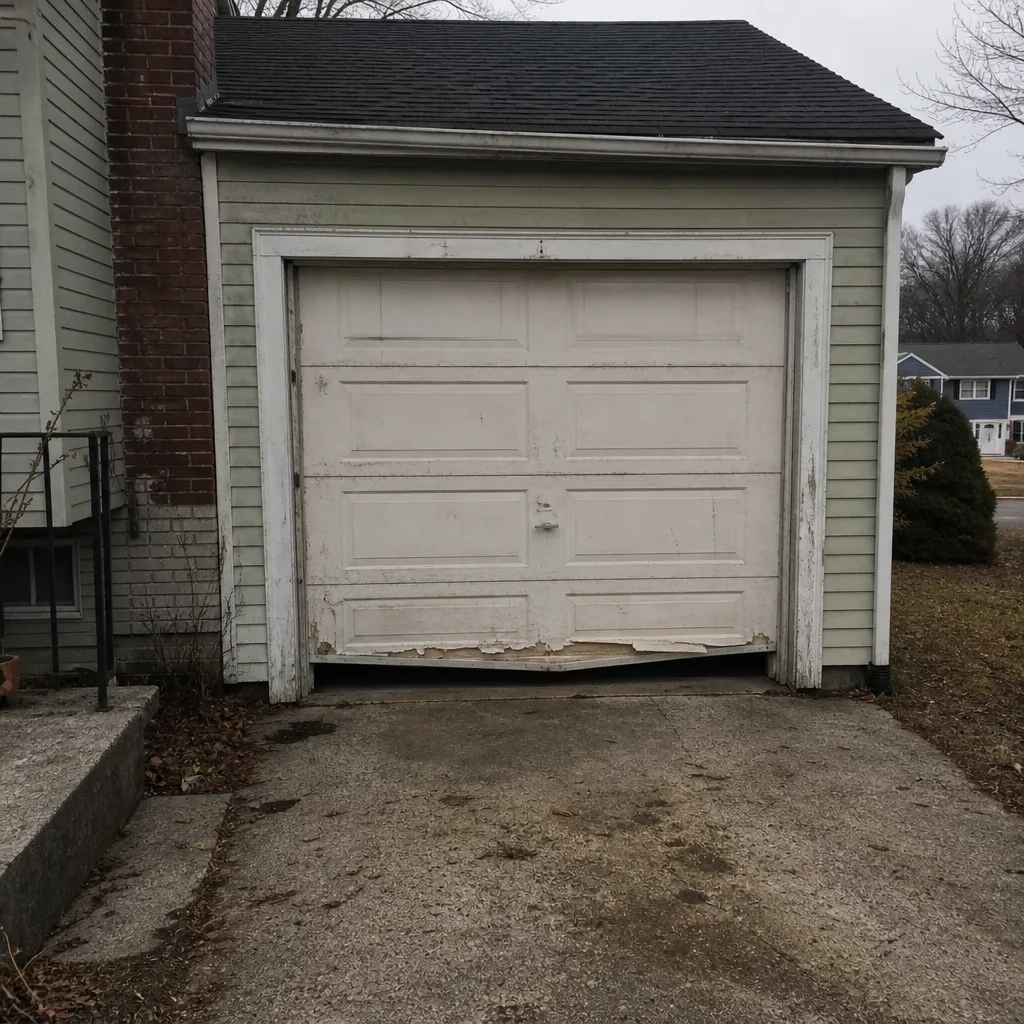 Before
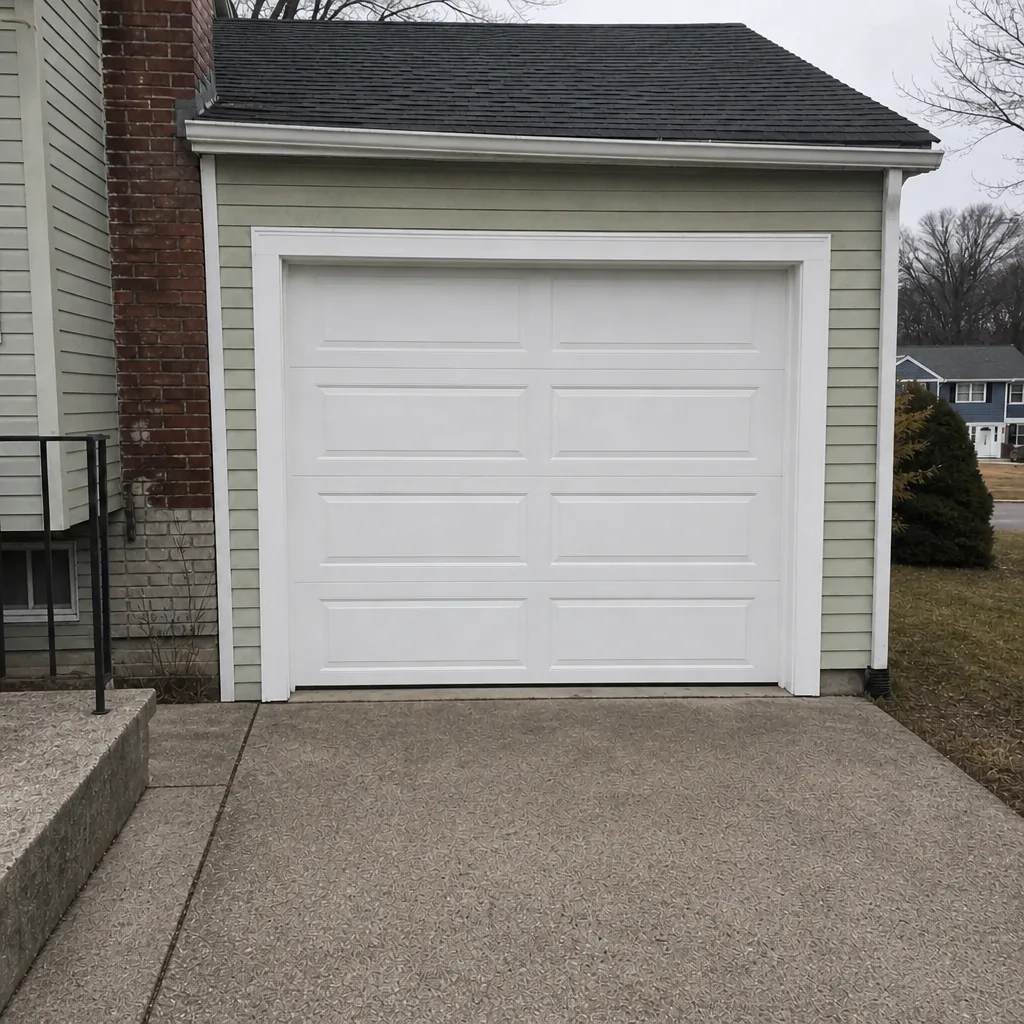 After
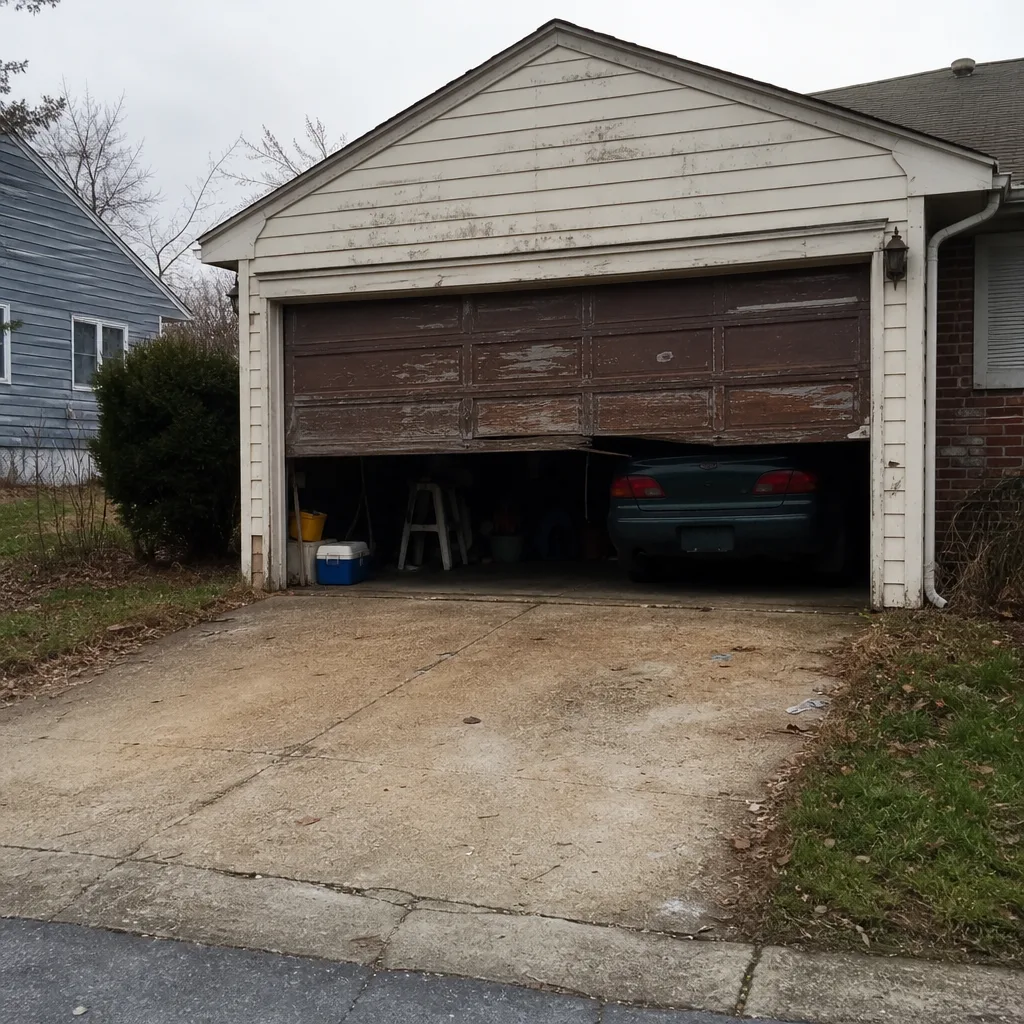 Before
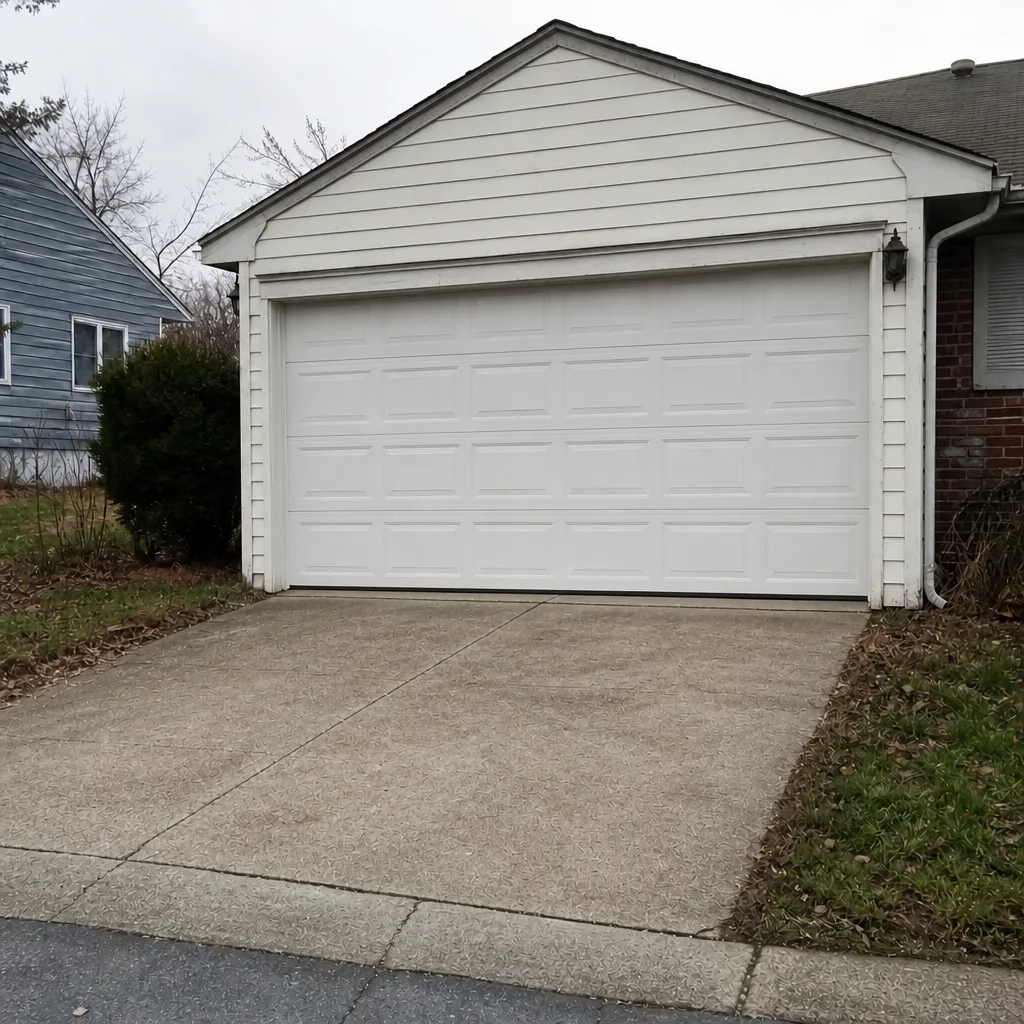 After
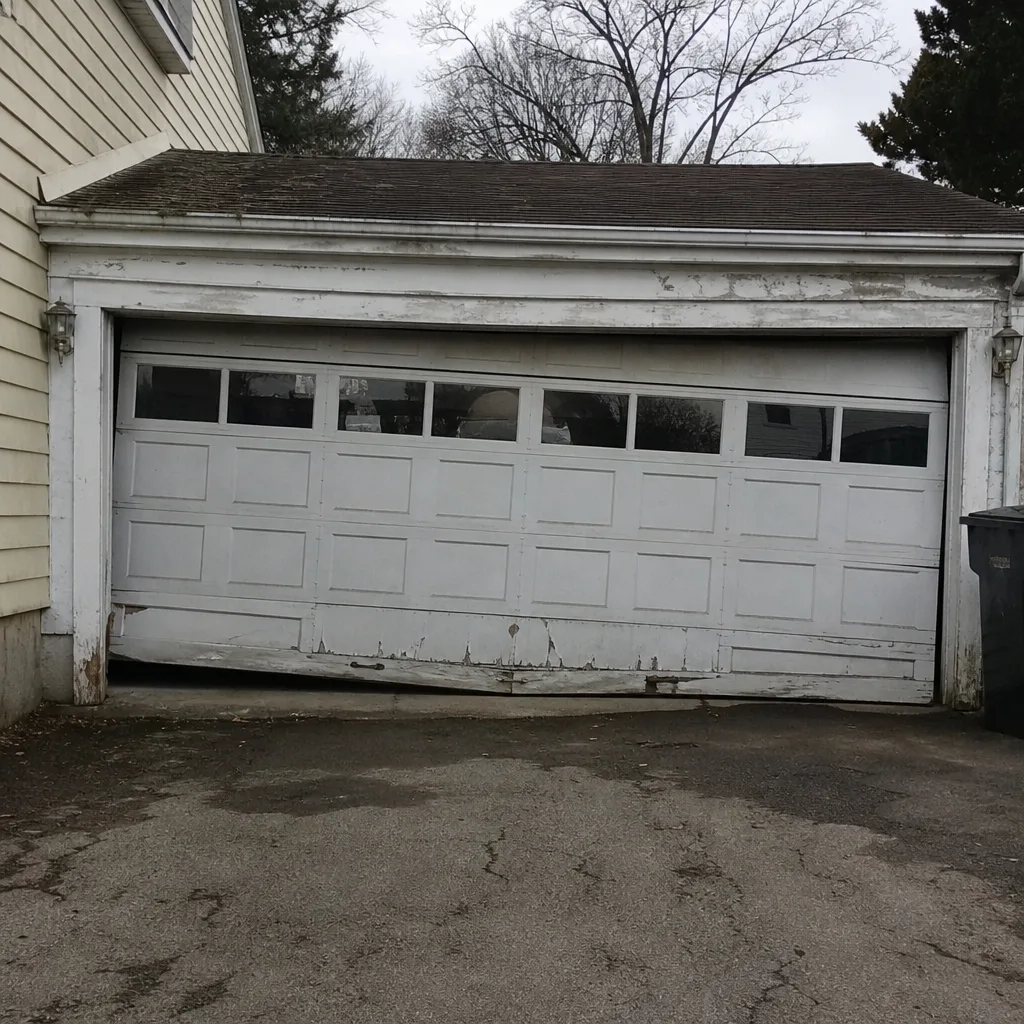 Before
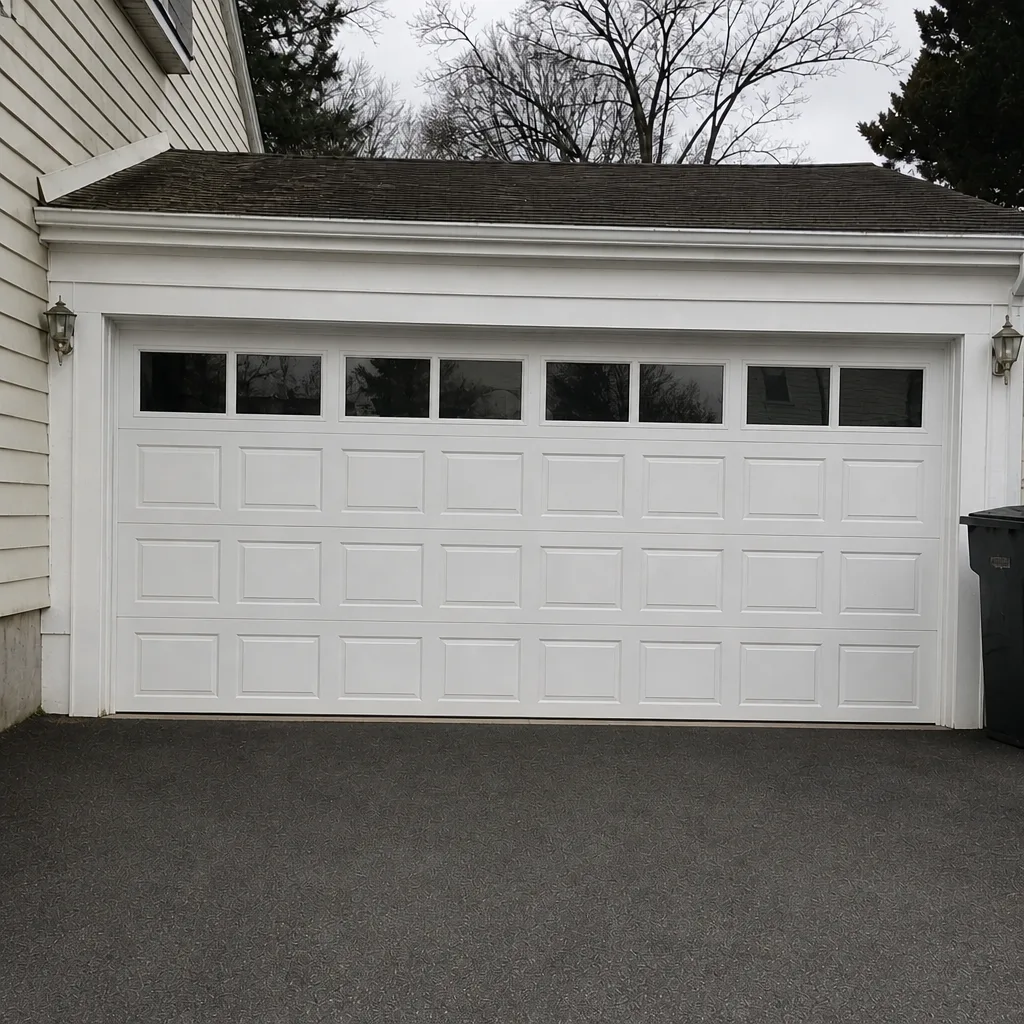 After
When to Call a Professional
Some garage door issues are genuinely a call-a-pro situation. Any spring or cable problem is at the top of that list – the stored energy makes them dangerous to touch. A door that comes off its tracks, a door that won’t open or close evenly, and an opener that runs but doesn’t move the door all warrant a technician rather than a DIY attempt. So does a door that’s become a security concern because it won’t close all the way.
On the planning side, a replacement door, a non-standard opening, or a warranty question are all worth a professional conversation before you spend money. Getting the measure right and the material matched to your garage saves a lot of hassle later.
Attleboro Garage Door Repair offers free estimates in Attleboro – call (855) 268-3636. We answer 24/7. Fast dispatch from 7am to 7pm, Sunday through Friday. The price is quoted and agreed before any work starts, and the written estimate sets the final price.
Frequently Asked Questions
A well-maintained insulated steel door in Attleboro typically lasts a long time, but the freeze-thaw cycle and salt exposure shorten the life of any door that’s neglected. The finish and hardware are the parts that fail first here, and keeping them intact is what extends the door’s life. A seasonal maintenance routine does more for longevity than any single upgrade.
You need insulation if the garage is attached to the house and you want to control temperature, and you probably don’t if it’s a detached, unheated garage. For an attached garage, double or triple-layer insulation keeps the garage from pulling heat out of the house in winter. If you’re unsure, the attached-versus-detached question settles it most of the time. Call (855) 268-3636 for an exact quote – estimates are free.
Homes built before 1990 were often constructed with openings sized to the doors of that era, and those sizes varied by builder. A modern standard door assumes dimensions an older opening may not match exactly, and a settled floor or angled track can add to the mismatch. The fix is a proper measure before ordering, which is why a free measure matters on any replacement.
Spring repair is often a same-day job when we can reach you within dispatch hours. Springs are the most dangerous component on the door, so if one has failed, stop using the door and call. We answer 24/7, and a call outside dispatch hours is booked into the next opening, Sunday through Friday, 7am to 7pm. Call (855) 268-3636 for an exact quote – estimates are free.
Fiberglass and factory-finished steel both hold up well in salt-spray zones, with fiberglass offering the advantage of no rust risk at all. Steel is fine as long as the finish stays intact, because the finish is what protects it from corrosion. Wood can work but demands regular sealing and refinishing in these spots.
The local professionals we connect you with are licensed and insured as their state requires, and they have the training to handle spring, opener, and installation work safely. Our technicians have up to 9 years of experience. If you’re planning a job, call (855) 268-3636 for an exact quote – estimates are free.
The Bottom Line
A garage door in Attleboro lives in a demanding climate, and the choices that matter most follow from that: pick materials that ignore moisture, insulate an attached garage, measure any older opening before you order, and keep the finish and hardware in shape through the seasons. Read a warranty’s exclusions before you rely on it, and treat springs and cables as a professional’s job every time. If your door needs work – repair, a new opener, spring service, or a full replacement – Attleboro Garage Door Repair can help. Call (855) 268-3636 for a free estimate. We answer 24/7, with fast dispatch from 7am to 7pm, Sunday through Friday.
Written by the team at Attleboro Garage Door Repair.